A buyer sent us two numbers last month, both about Barton Creek, both current, both technically correct. The first said the median sold price had climbed 21 percent year over year. The second said the same zip code had just posted the steepest median price decline of any zip code in the Austin metro. Same neighborhood name. Same year. Opposite direction.
Both numbers are real. The confusion is the point.
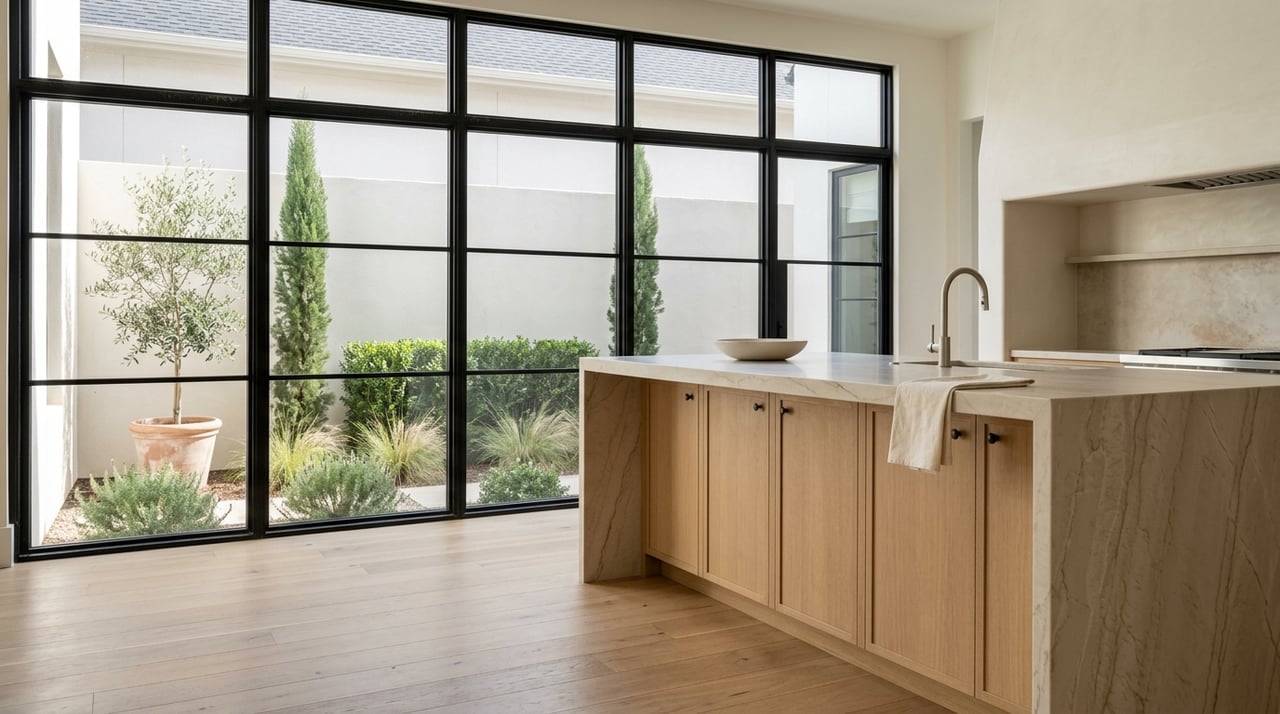
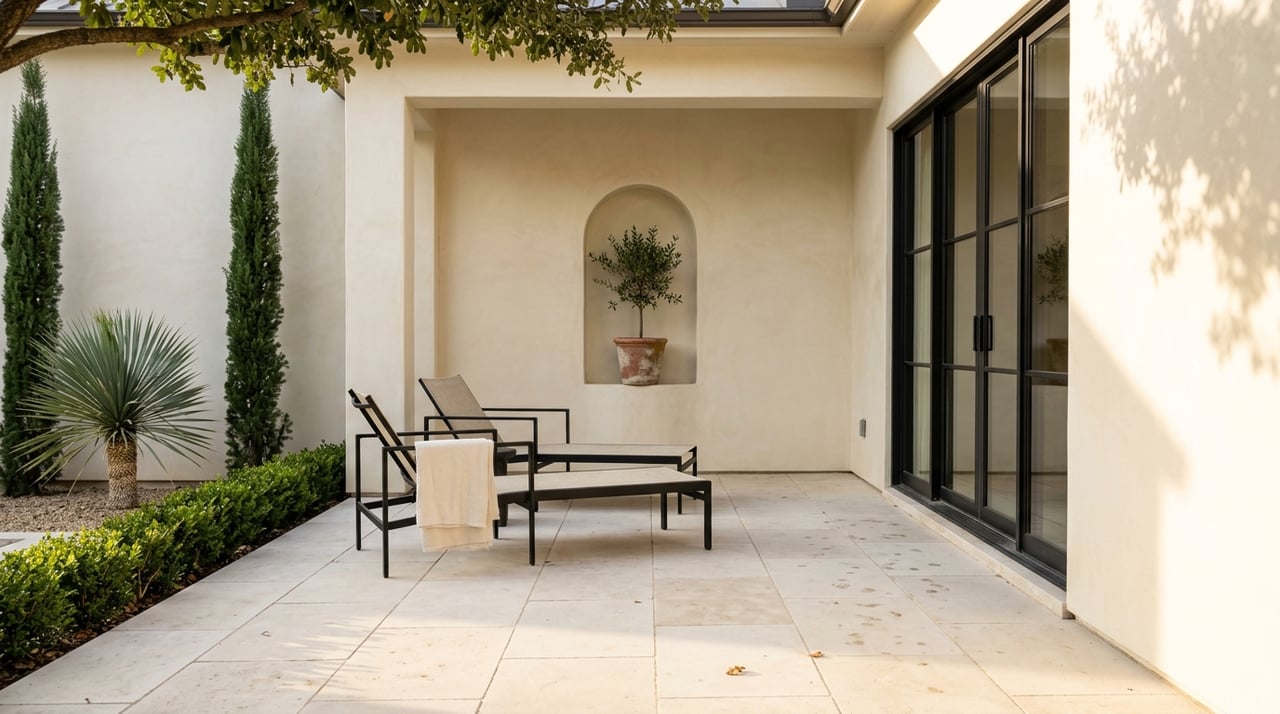
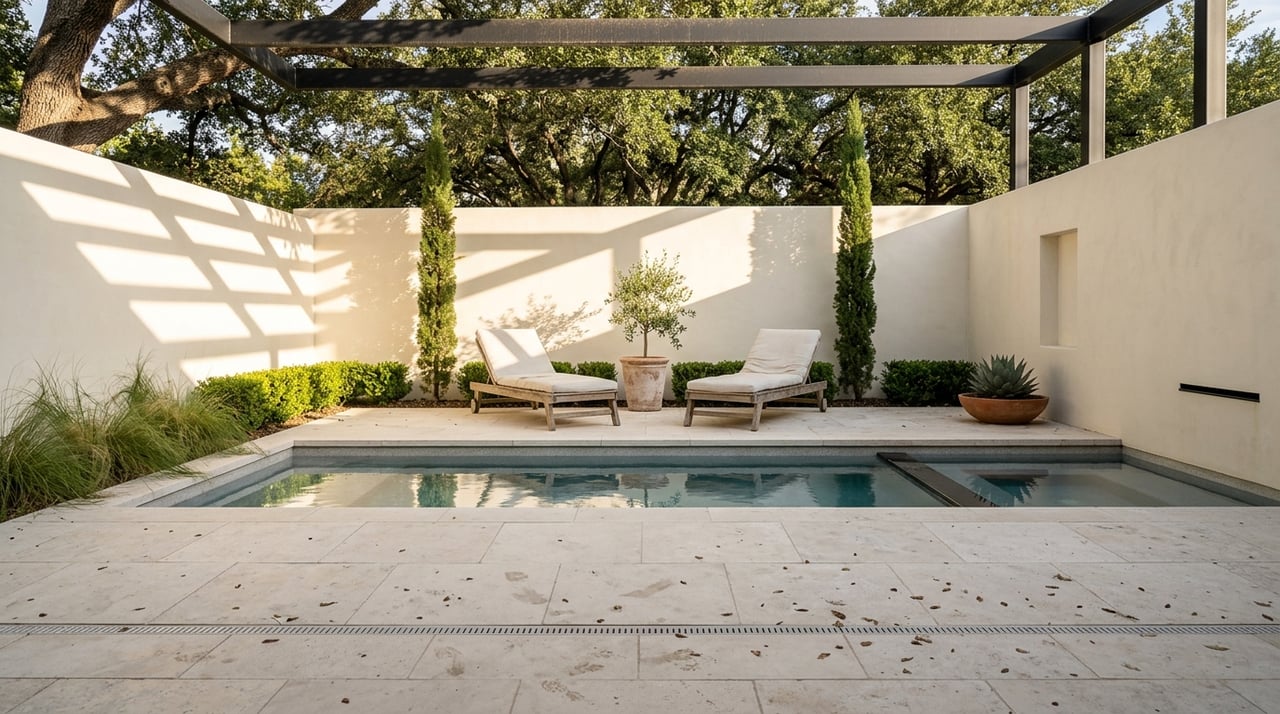
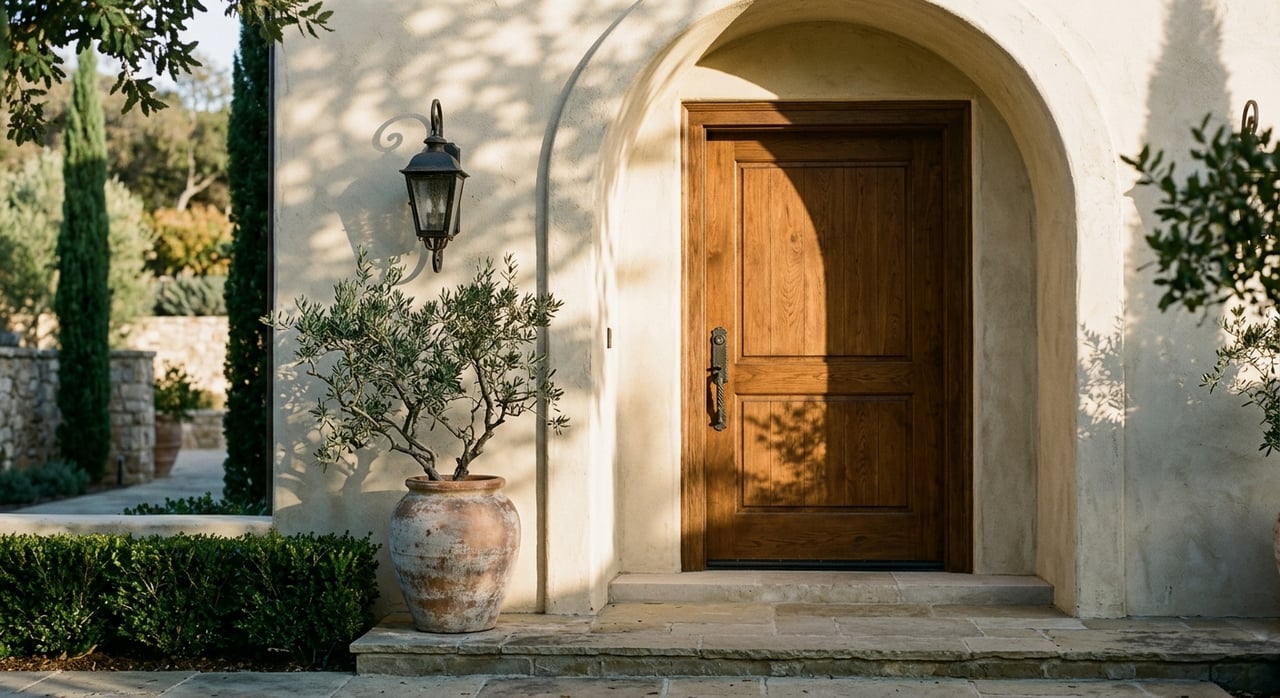
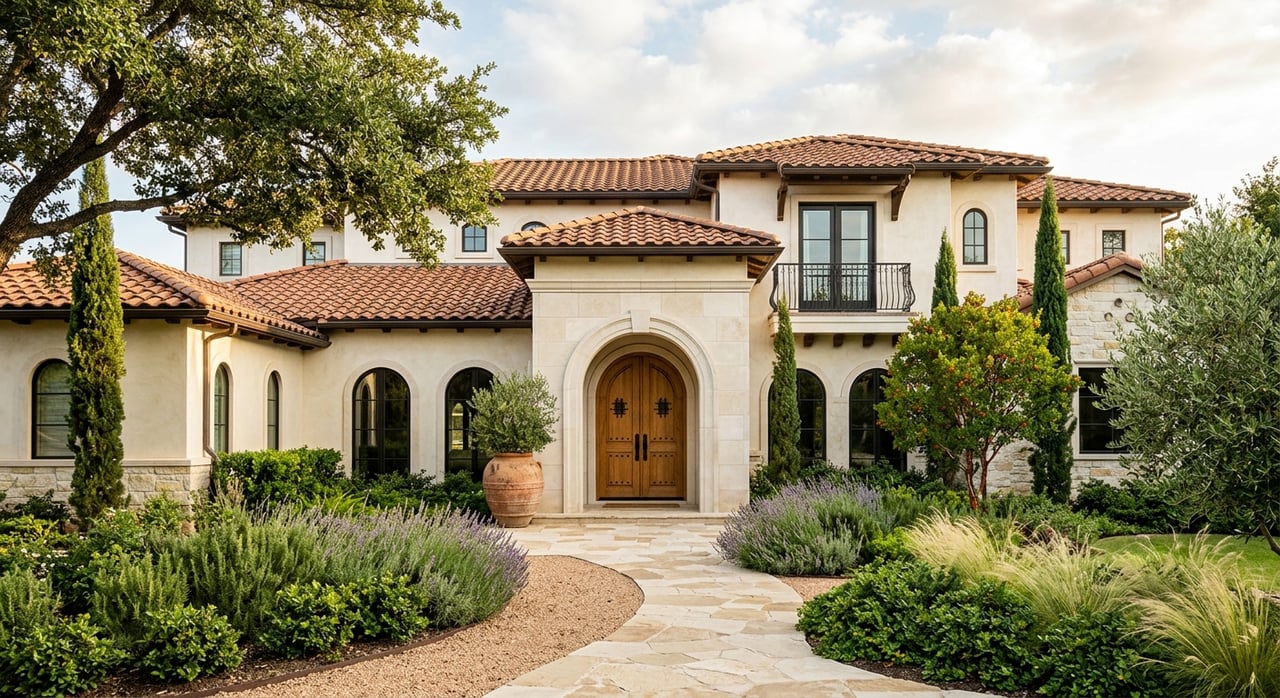
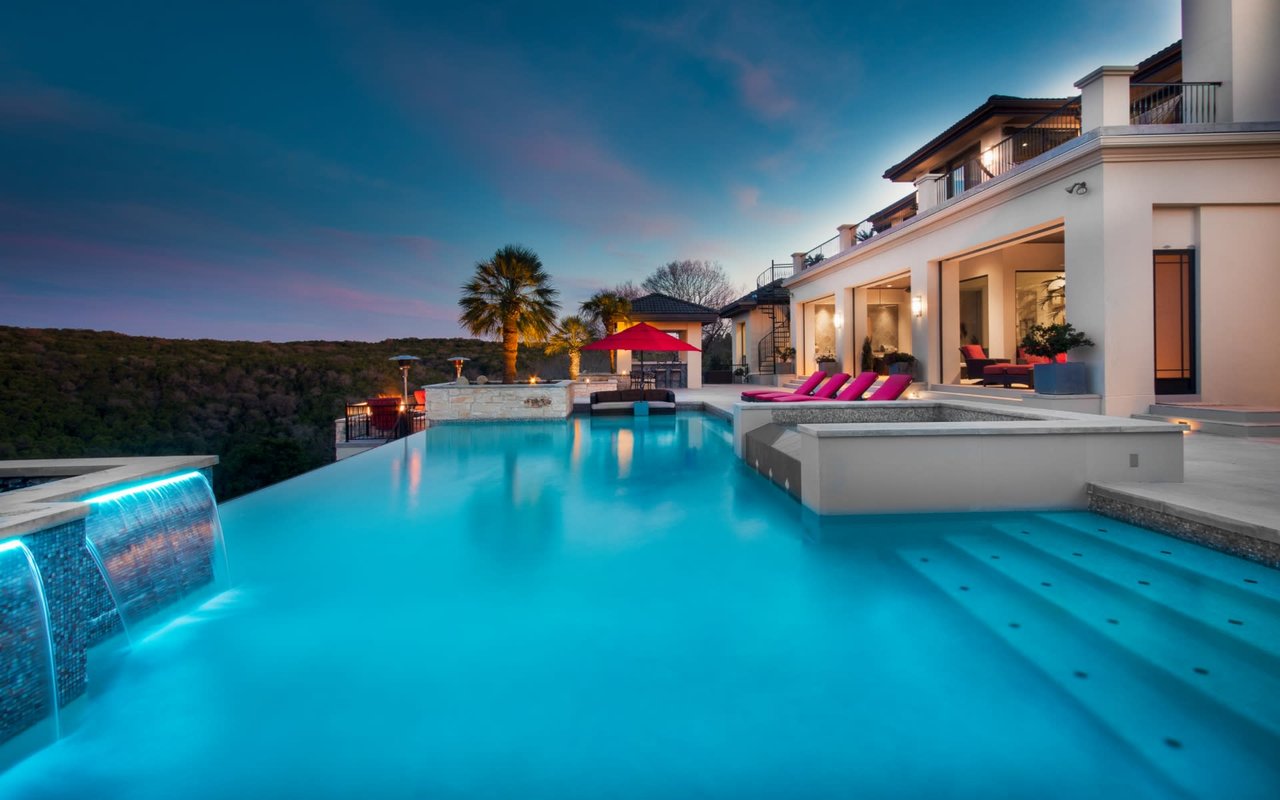
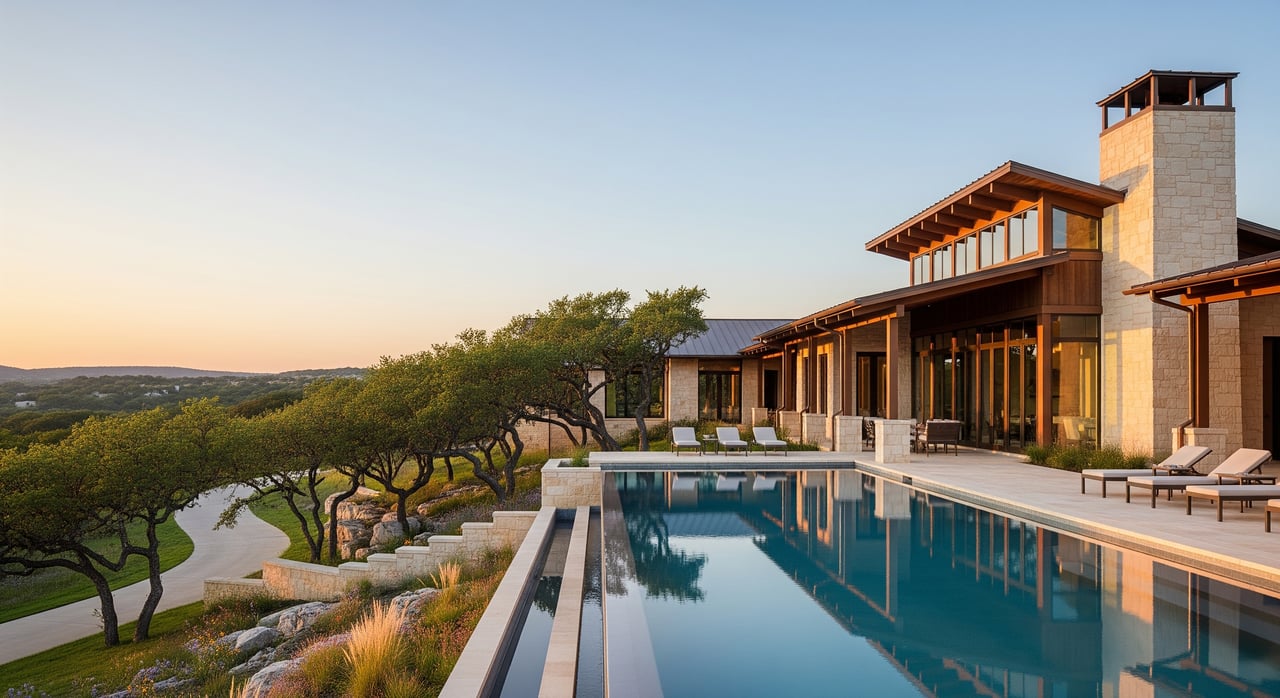
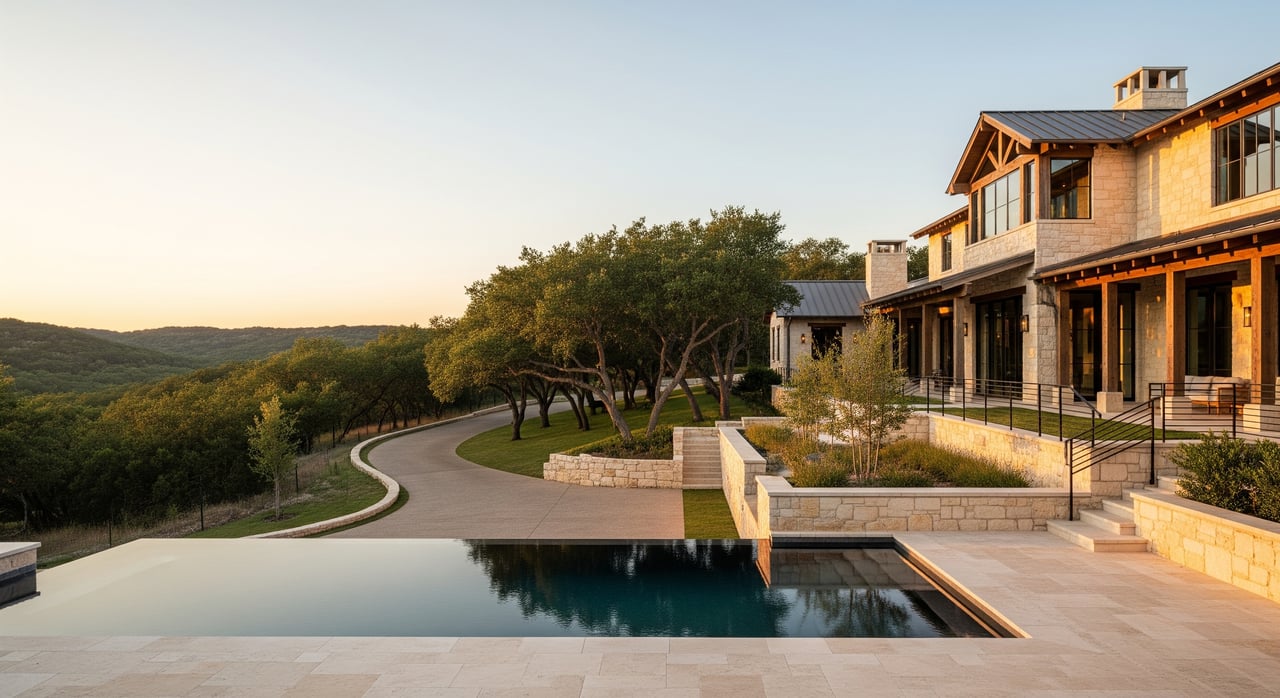
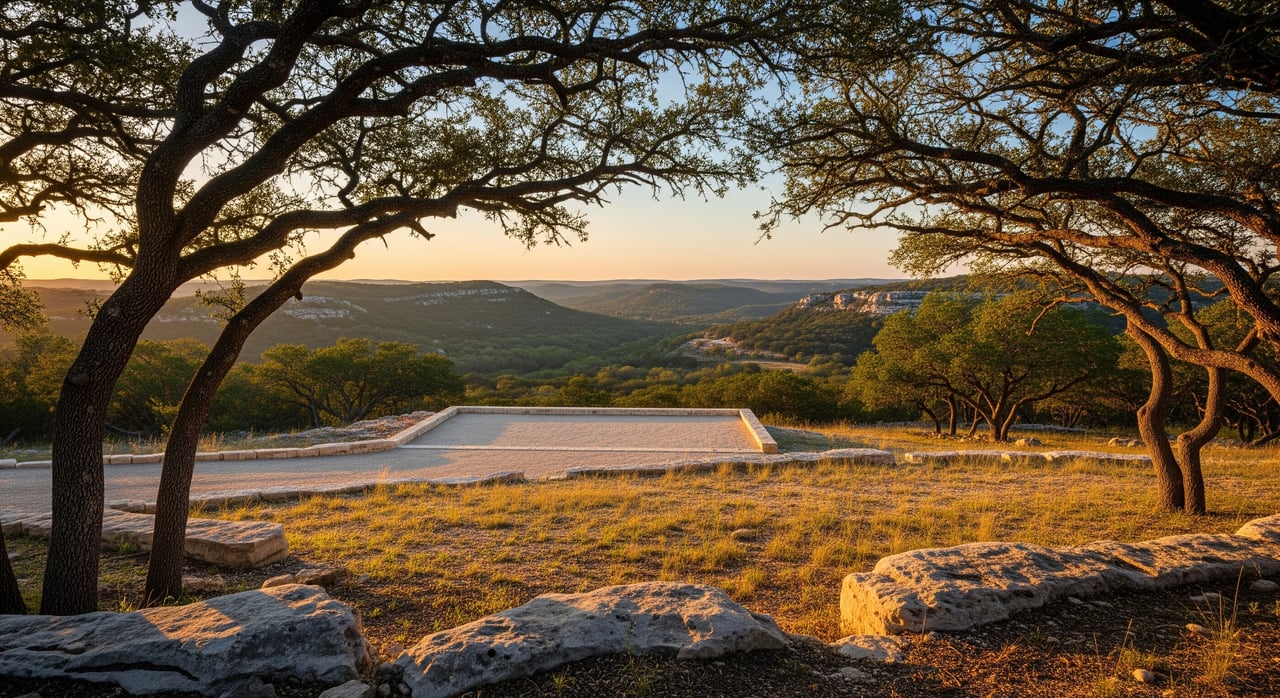
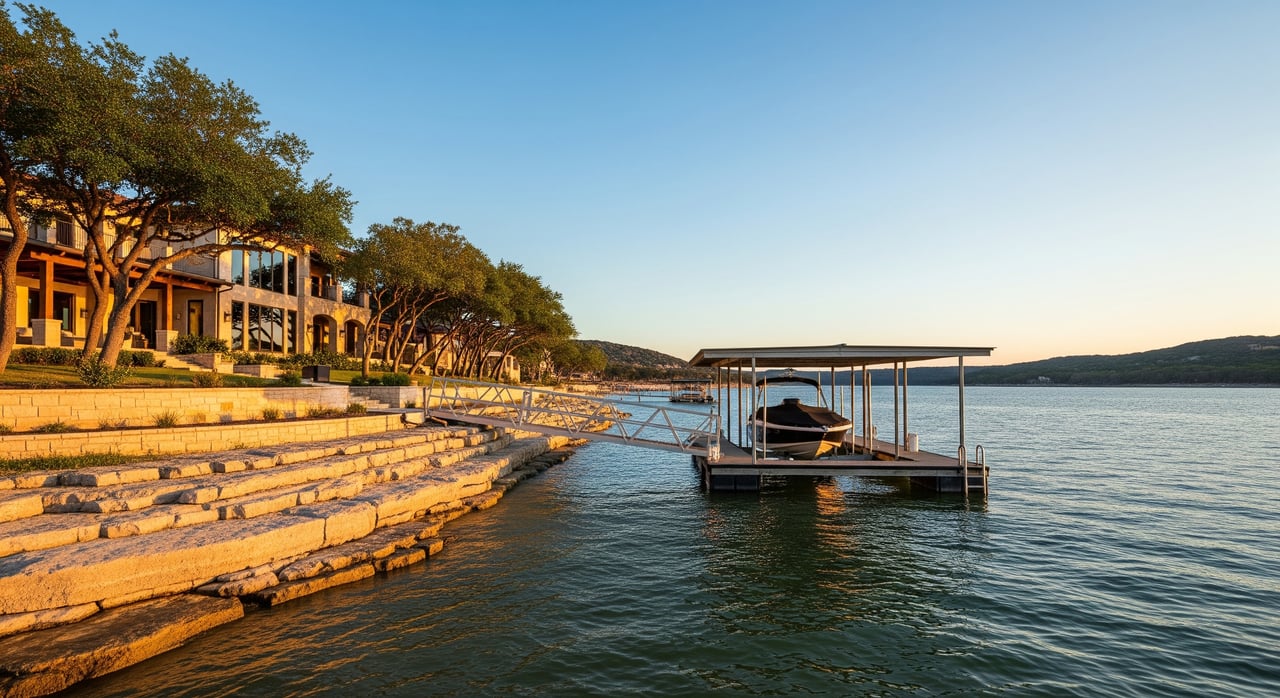
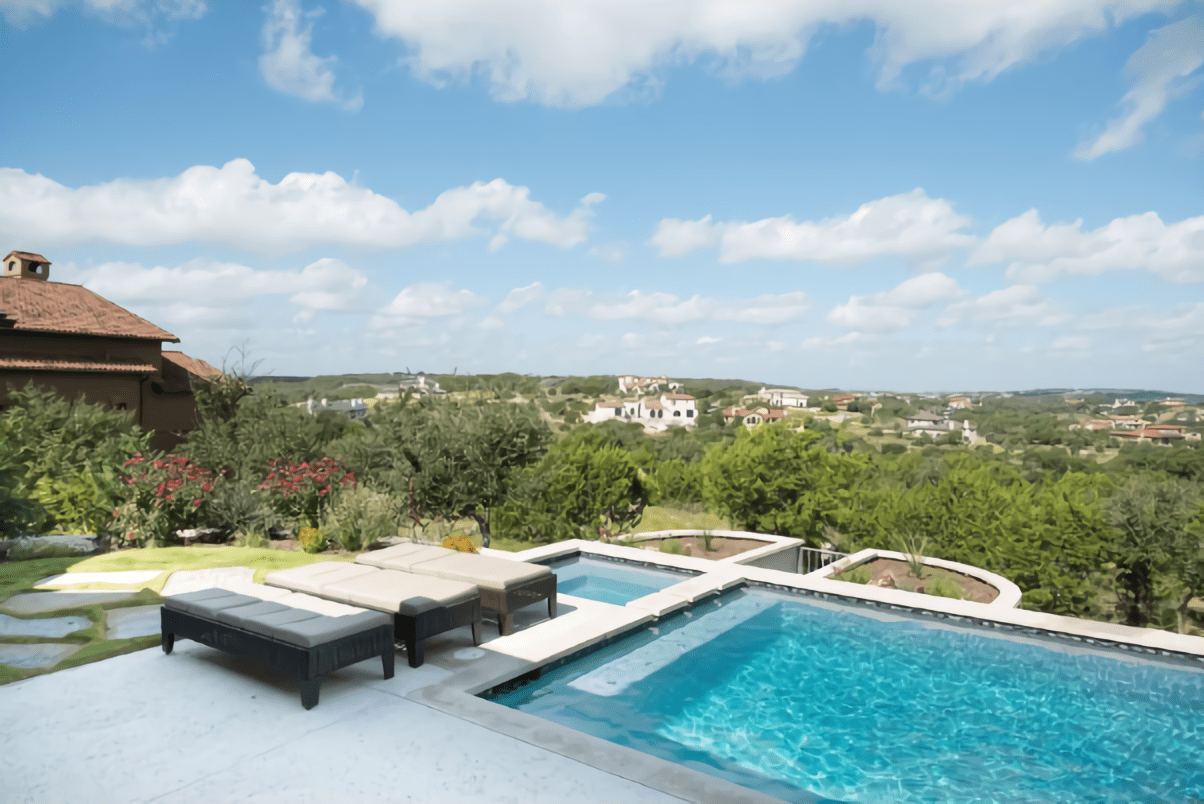
Barton Creek gets talked about as if it were one market with one price curve, the way a listing site might treat a single subdivision. It isn't. It's eleven separately governed gated enclaves spread across more than 4,000 acres of Hill Country terrain that has been developing in phases since 1986, sitting on top of a private golf club that most buyers assume comes with the house and mostly doesn't. When a median price moves 20 points in either direction, the more useful question isn't whether Barton Creek is up or down. It's which Barton Creek the number is describing.
Eleven Neighborhoods Wearing One Name
Public sales data for January 2026 put the median sold price in Barton Creek at $2.8 million, up 21 percent from the year before, with homes taking an average of 115 days to sell compared to 43 days a year earlier. In the same window, price per square foot on closed sales fell to roughly $492, a drop of nearly 30 percent year over year, even as active listings that same quarter were quoting medians closer to $621 to $668 per square foot depending on which enclave happened to be listing that week.
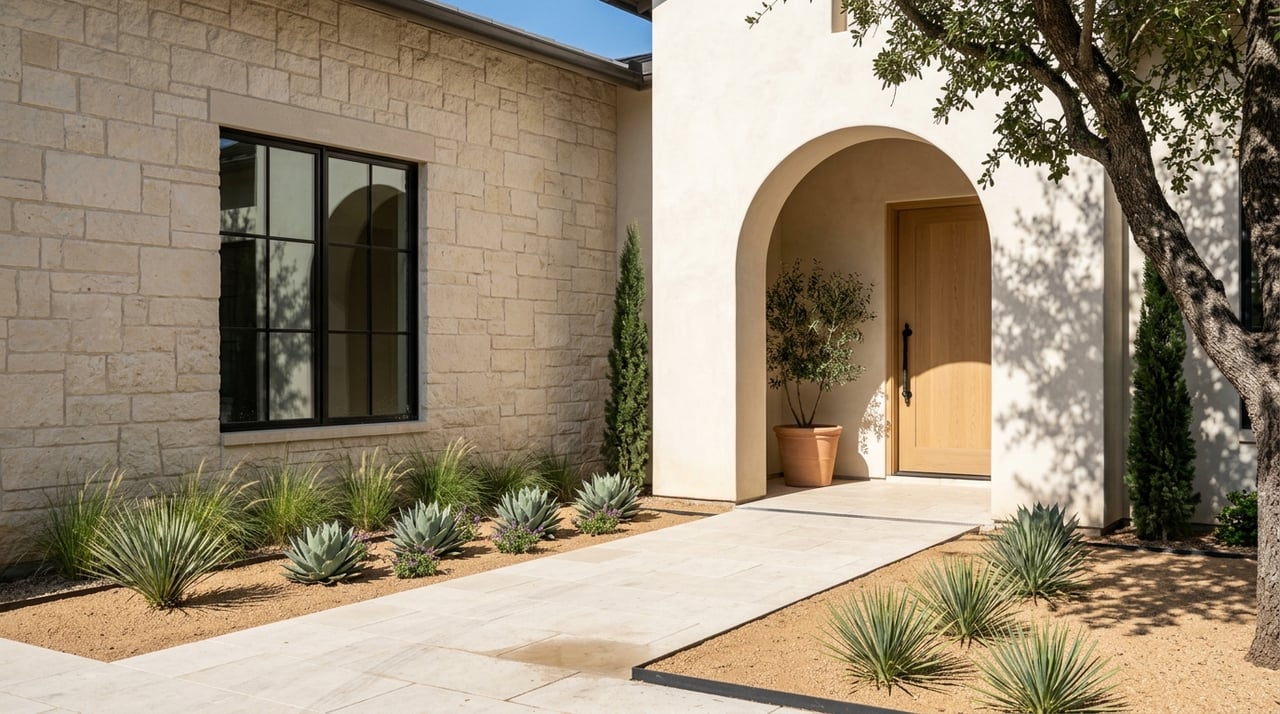
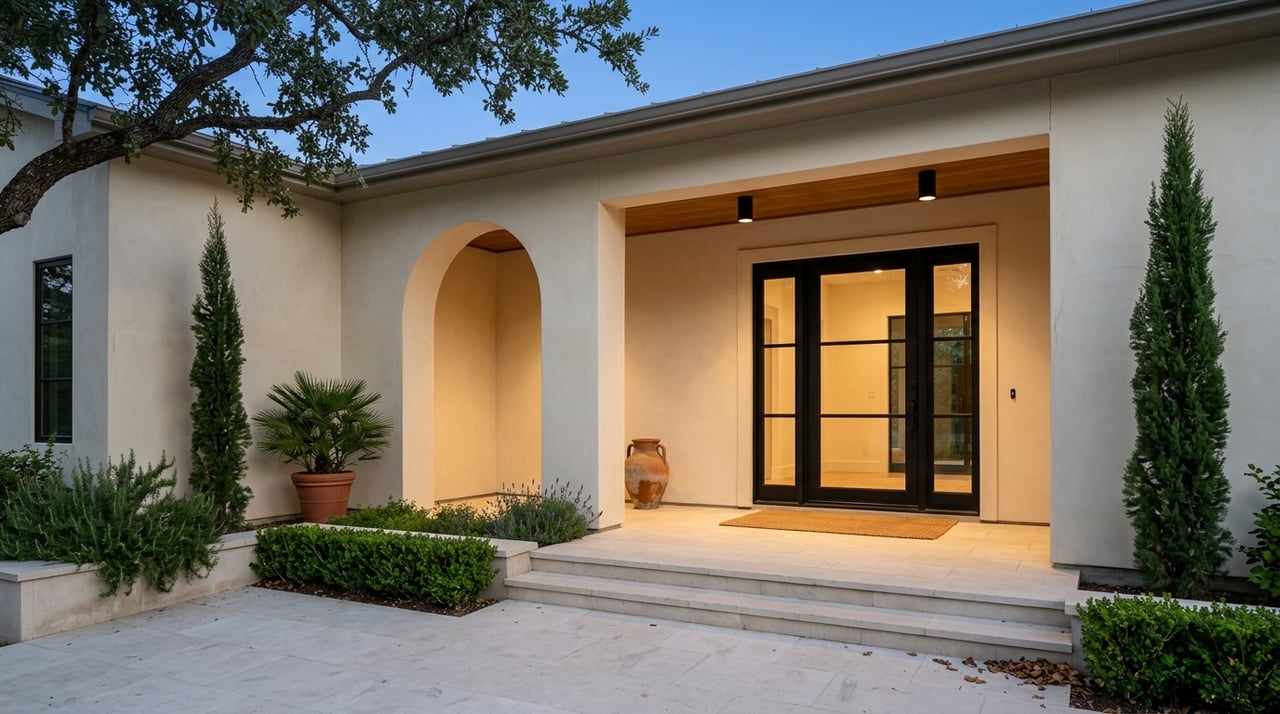
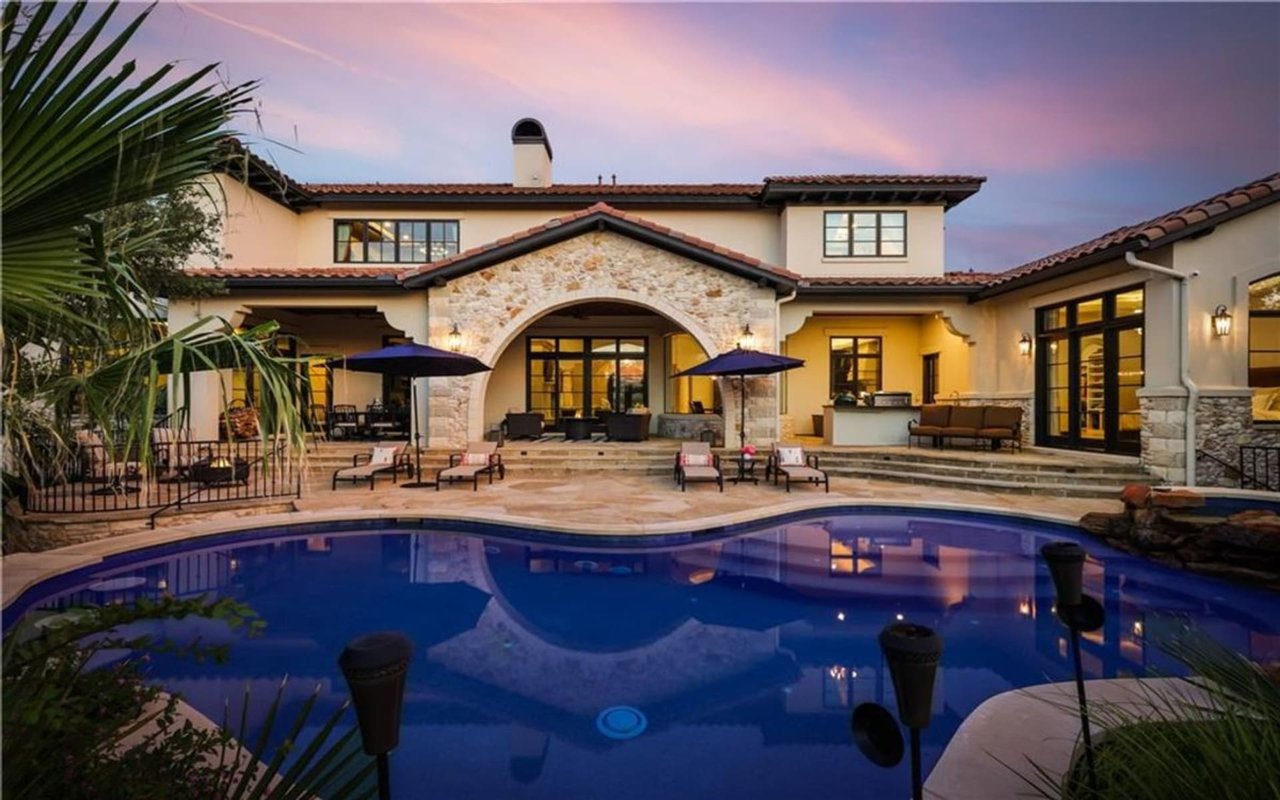
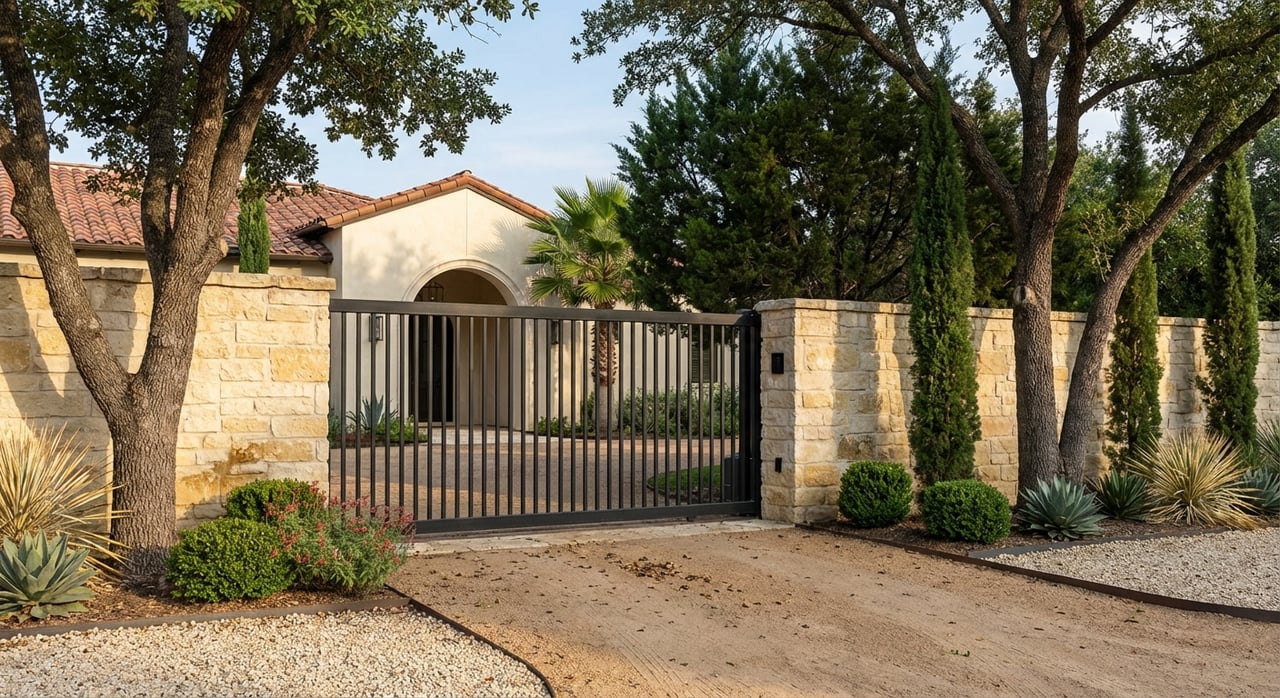
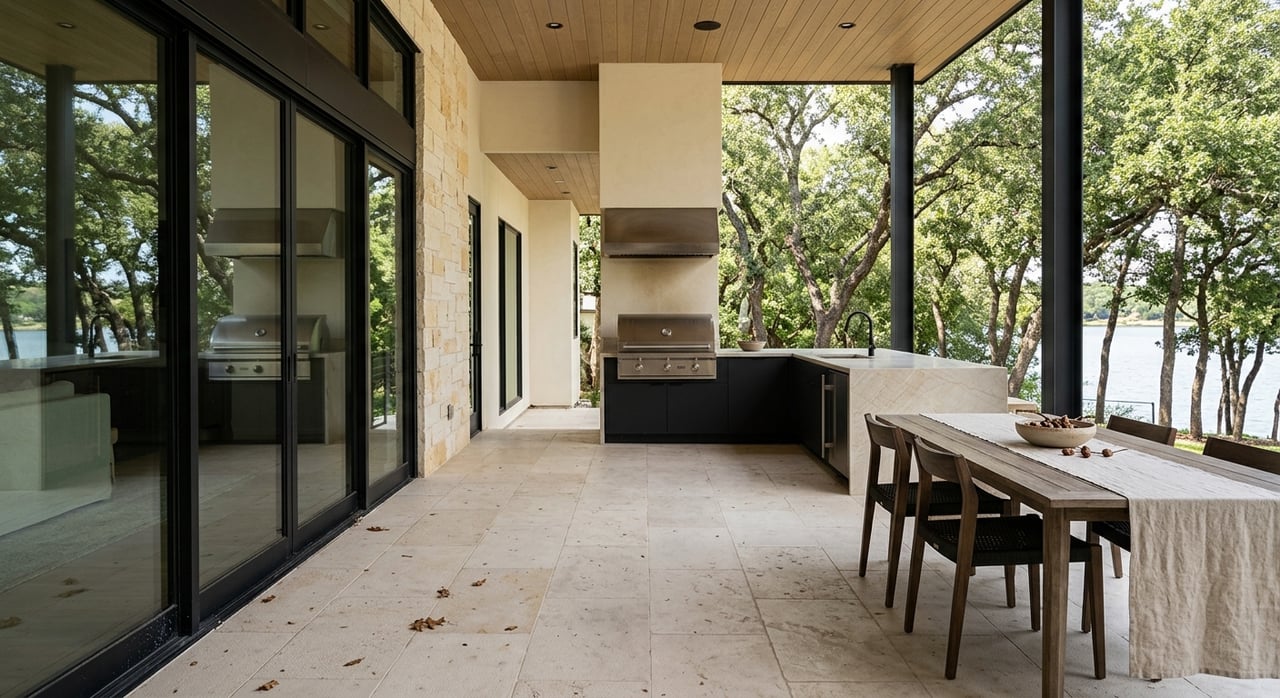
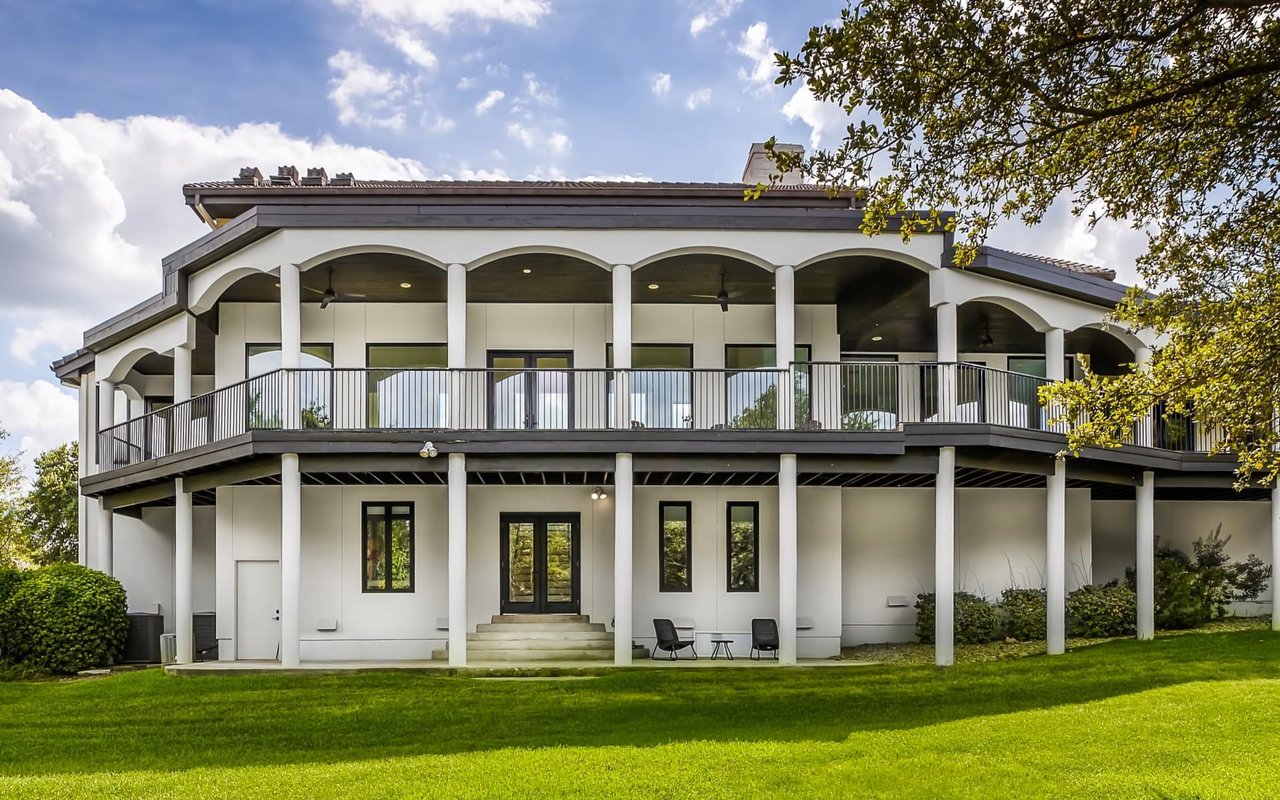
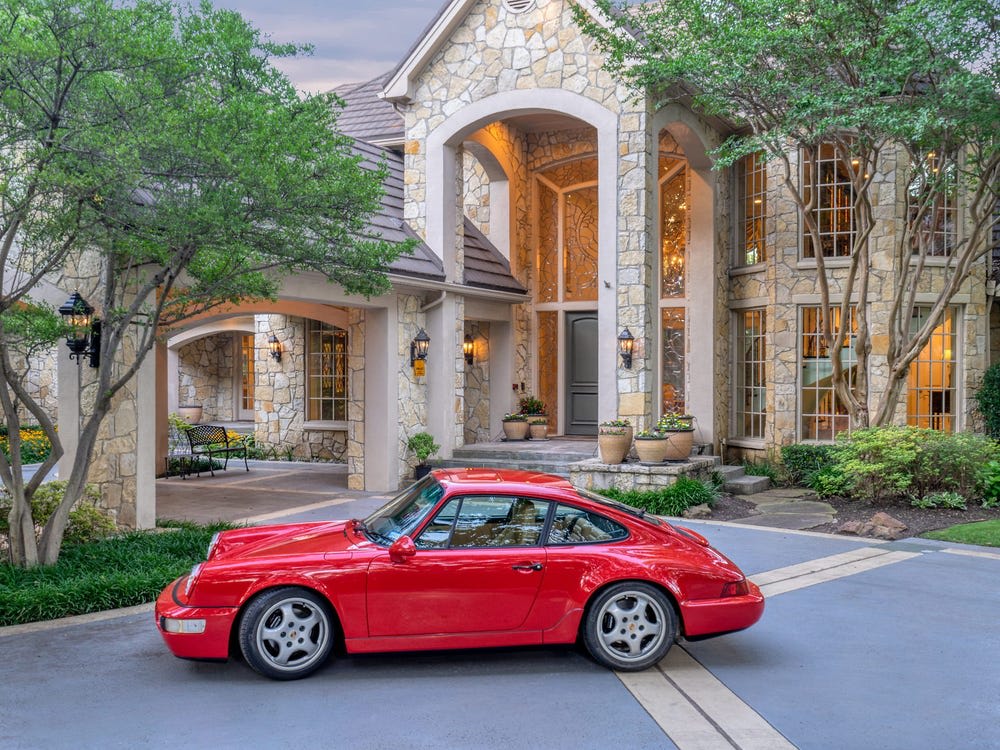
None of those numbers are wrong. They're measuring different slices of a market that isn't uniform to begin with. A recent comp in The Fairways, a golf-cart-garage section close to the clubhouse, showed a 3,772-square-foot home on half an acre priced at $2.345 million with a $410 monthly HOA. That's a lock-and-leave format built for buyers who want golf proximity without a large maintenance footprint. Compare that to North Rim, The Woods, Wimberly Lane, or The Foothills, where lots run larger and homes read more like private hilltop estates, and the same "median" is now averaging two fundamentally different products together.
| Enclave type | What it typically offers | Country club membership |
|---|---|---|
| The Fairways, Governor's Hill, The Ridge | Smaller lots, golf-cart garages, closer to the clubhouse, lower-maintenance format | Handled separately from the purchase, not automatic |
| WatersMark | Gated, roughly 60 to 65 homes, on-site property manager, views of the Fazio Foothills course and the Barton Creek Greenbelt | Marketed specifically as carrying no mandatory club obligation |
| Wimberly, The Ridge (select listings) | Mid-size lots, gated | Some listings include a Property Owner Membership that conveys with the home |
| North Rim, The Woods, Wimberly Lane, The Foothills | Larger parcels, more privacy, estate-scale homes | Membership optional, terms vary by listing |
Widen the lens and the zip code tells yet another story. A citywide comparison of full-year 2025 sales against year-to-date 2026 activity found 78735, which covers Barton Creek along with a broader stretch of southwest Austin, posting a median price decline from $1,523,290 to $1,246,905, down 18.1 percent and the largest dollar drop of any zip code in the metro. That same analysis found the ultra-luxury tier above $1.5 million posting average gains of 3.5 percent citywide while the $1 million to $1.5 million tier fell nearly 6 percent. Barton Creek proper, the gated enclaves with golf frontage and Eanes-adjacent addresses, sits in the segment that gained. The zip code average, pulled down by everything else inside 78735, sits in the segment that fell. A single median can't hold both stories at once, which is why it keeps producing headlines that contradict each other.
The Membership Isn't in the Price
The other number missing from every listing is the club. Barton Creek Country Club's full golf membership runs $125,000 to join with monthly dues of $1,120, covering three of the resort's four courses, tennis, pool, spa access, and the social calendar. Access is available without the multi-year waitlist that a club like Austin Country Club requires. For scale, membership at the University of Texas Golf Club in nearby Steiner Ranch runs $25,000 to $50,000 to join with dues closer to $400 to $700 a month. The Barton Creek number sits well above that, and it is not baked into any home price on the market.
That distinction matters because Barton Creek's marketing leans hard on the club, four championship courses carrying the names Fazio Foothills, Fazio Canyons, Coore Crenshaw Cliffside, and Palmer Lakeside, with Fazio Canyons hosting the 2026 Good Good Championship, a PGA TOUR event that puts the resort in front of a national golf audience. It's easy to read that and assume the course access is part of what you're buying. It isn't. Buying a home in most Barton Creek sections gets you an HOA, which can run anywhere from roughly $50 a month to several hundred depending on the enclave and whether it funds gated staffing or private roads. It does not get you a tee time. WatersMark advertises the absence of a club obligation as a selling point. Wimberly and The Ridge sometimes carry a Property Owner Membership that transfers with specific homes. Everywhere else, you call the membership office and negotiate a separate transaction on top of your mortgage.
There's a third product in this market worth flagging so it doesn't get confused with the other two. The Owners Club at Barton Creek is a fractional ownership arrangement, a deeded 1/13th interest in one of 24 units with a minimum of 27 nights of annual use and an annual assessment that has run around $7,200. It is not a single-family home, it cannot be rented out under the club's bylaws, and anyone searching Barton Creek listings should know the difference before falling for a price that looks unusually low for the address.
One Street, Two School Districts
Barton Creek's zip code doesn't just split on price. It splits on school district in a way that isn't always obvious from the neighborhood name, and the two market write-ups we compared for this piece don't even agree on which district covers more of it. One describes most of Barton Creek feeding into Eanes ISD, with a pattern that runs to West Ridge Middle School and Westlake High School, and elementary assignment that varies by address among schools including Barton Creek Elementary, Forest Trail Elementary, and Cedar Creek Elementary. Another describes Barton Creek proper as Austin ISD territory, feeding Austin High School, with only the western enclaves near Lost Creek reaching into Eanes ISD and Westlake High School. Both agree on one thing: the 78735 boundary does not follow subdivision lines cleanly, and two homes on the same street can sit in different districts. One of the two analyses put the price premium on Eanes-zoned properties at 15 to 20 percent over otherwise comparable homes in the same zip code, which is exactly the kind of gap that turns a school-boundary question into a financial one.
This isn't a case for one district over another, and it isn't a case for trusting either summary at face value. It's a case for checking the specific address on any property you're evaluating rather than assuming the neighborhood's reputation, or a market report's shorthand, applies uniformly. A boundary line that splits a street is not something a portal search filter catches.
What This Means If You're Comparing Numbers Right Now
If you're weighing a Barton Creek purchase against other West Austin addresses and you've only got a median price and a price-per-square-foot figure to go on, you're working with less than half the picture. Ask which enclave the comp came from, whether the number reflects closed sales or active listings, and whether the price you're comparing includes a club obligation or excludes one entirely. A $2.1 million property in a lock-and-leave section near the clubhouse and a $2.1 million property in an estate-scale enclave further from the gate are not the same purchase decision, even when the headline number matches.
The scarcity underneath all of this is real. Environmental protections on the Edwards Aquifer Recharge Zone limit how much new supply can enter Barton Creek, which is part of why the ultra-luxury tier here has held up even while broader zip-code averages have not. That scarcity protects the enclaves. It doesn't simplify them.
Frequently Asked Questions
Does buying a home in Barton Creek automatically include country club membership? No. Club membership is a separate transaction from the home purchase in most sections. Some enclaves, like WatersMark, are marketed specifically as carrying no mandatory club obligation, while select listings in Wimberly and The Ridge include a Property Owner Membership that conveys with the home. Always confirm the specific arrangement in writing before you assume access comes with the address.
Is Barton Creek zoned to Eanes ISD or Austin ISD? Both districts serve parts of the community, and even local market write-ups disagree on which one covers more ground. The boundary can split homes on the same street. Verify school zoning for any specific property rather than relying on the neighborhood's general reputation or a secondhand summary of it.
Why did Barton Creek's median sale price rise in early 2026 while price per square foot fell in the same period? The two figures are measuring different things. A rising median with a falling per-square-foot figure typically signals a shift in which homes are transacting, larger or higher-priced properties closing while smaller or lower-tier listings sit longer, rather than a uniform market move in either direction. Add the fact that Barton Creek spans enclaves with very different formats and price tiers, and a single median stops being a reliable stand-in for what any particular home is worth.
If you're trying to figure out what a specific Barton Creek address is actually worth, which enclave rules apply, and whether club access is part of the deal, that's a conversation worth having before you write an offer, not after. Dara Allen works these enclaves address by address. Request a Private Home Valuation to get a number built on the section you're actually considering, not the zip code average.