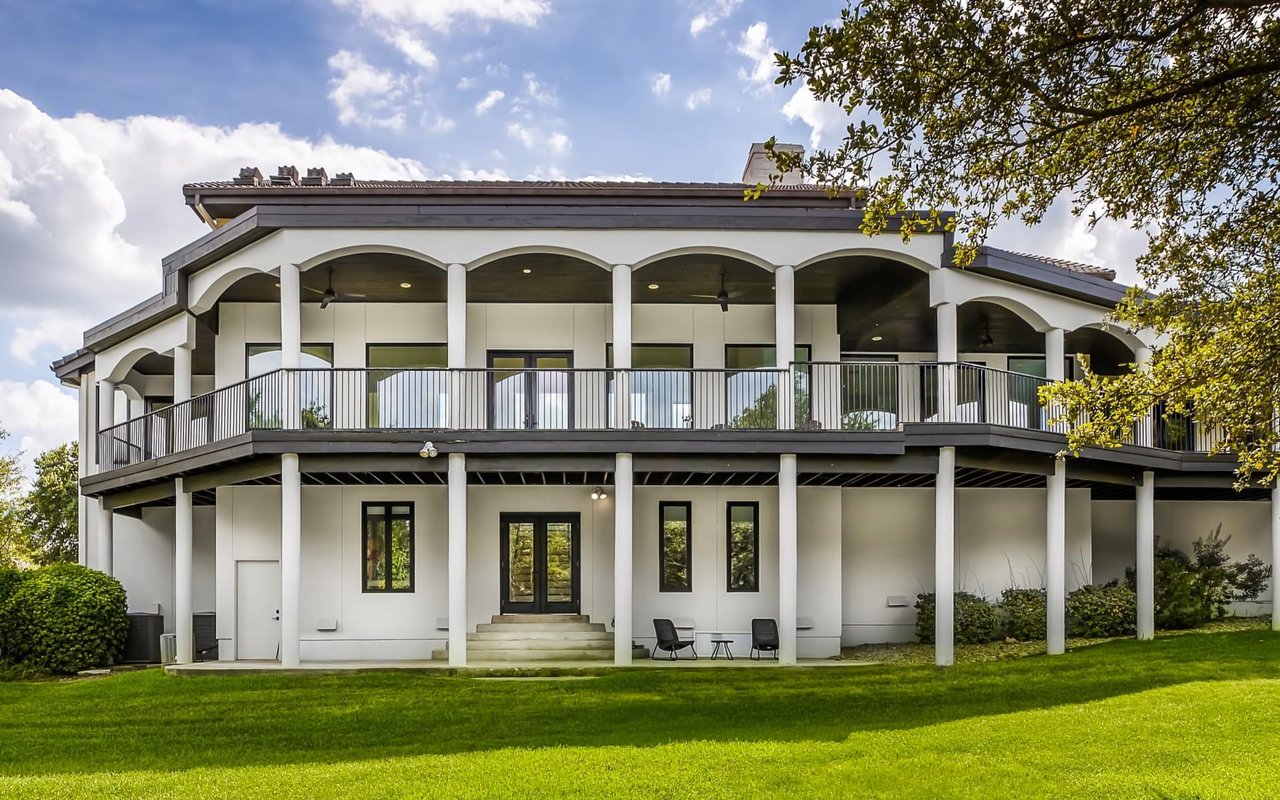

If your idea of a second home includes sunrise coffee over the water, easy weekends with family or friends, and a place that feels like a true escape, Lake Travis can be a compelling fit. But owning here is not quite the same as owning on a constant-level lake, and that difference matters when you only use the home part-time. With the right planning, you can choose a property that feels beautiful and works well when you are away. Let’s dive in.
Why Lake Travis Works for Retreat Living
Lake Travis has the scale and setting many buyers want in a weekend home. It stretches about 63.75 miles, has more than 271 miles of shoreline, covers 18,929 acres, and is known as the “Crown Jewel” of the Central Texas Highland Lakes. That size gives you a broad mix of waterfront experiences, from more residential stretches to areas with a more ranch-oriented feel.
For a part-time owner, the lake’s character is just as important as its scenery. Lake Travis is a working Lower Colorado River Authority reservoir built for flood management, water supply storage, and hydroelectric power. It is also the only Highland Lakes reservoir specifically designed to hold back floodwaters, which means lake levels and shoreline conditions can change in ways that directly affect your ownership experience.
Reservoir Reality Matters
A retreat home on Lake Travis should be chosen with water-level change in mind. Texas Parks and Wildlife describes the reservoir as steep-sided with relatively few shallow coves and shoal areas, and it notes that Lake Travis typically sees water-level fluctuations of 10 to 20 feet. LCRA considers the lake full for water supply purposes at 681 feet above mean sea level, and controlled releases can begin when the lake exceeds or is projected to exceed that level.
In practical terms, that means the lake you enjoy on one visit may feel different on the next. Shoreline access, dock height, and how usable the waterfront feels can shift over time. If you are buying a home to enjoy on weekends rather than manage every day, these changes should be part of your search from the start.
Choose Shoreline Carefully
Not all waterfront is equally easy to own from a distance. Because Lake Travis is steep-sided and has relatively few shallow coves, the specific shoreline shape of a property can have a big impact on day-to-day enjoyment. Before you fall in love with the view, look closely at how the lot meets the water.
A sheltered cove or recessed shoreline is often easier to live with as a part-time retreat than a more exposed open-water site. That is not a formal ranking rule, but it is a practical takeaway from the lake’s shape and LCRA’s flood-preparation guidance. Better protection from wakes, wind, and flood debris can make ownership simpler when you are not on site full-time.
Understand Dock Rights Before You Buy
One of the most important Lake Travis questions is also one of the most misunderstood: owning waterfront does not automatically mean you can build or keep a dock. LCRA says most shoreline around the Highland Lakes is privately owned, and buyers need to verify submerged-land ownership through county deed records. If the submerged land belongs to someone else, permission is required.
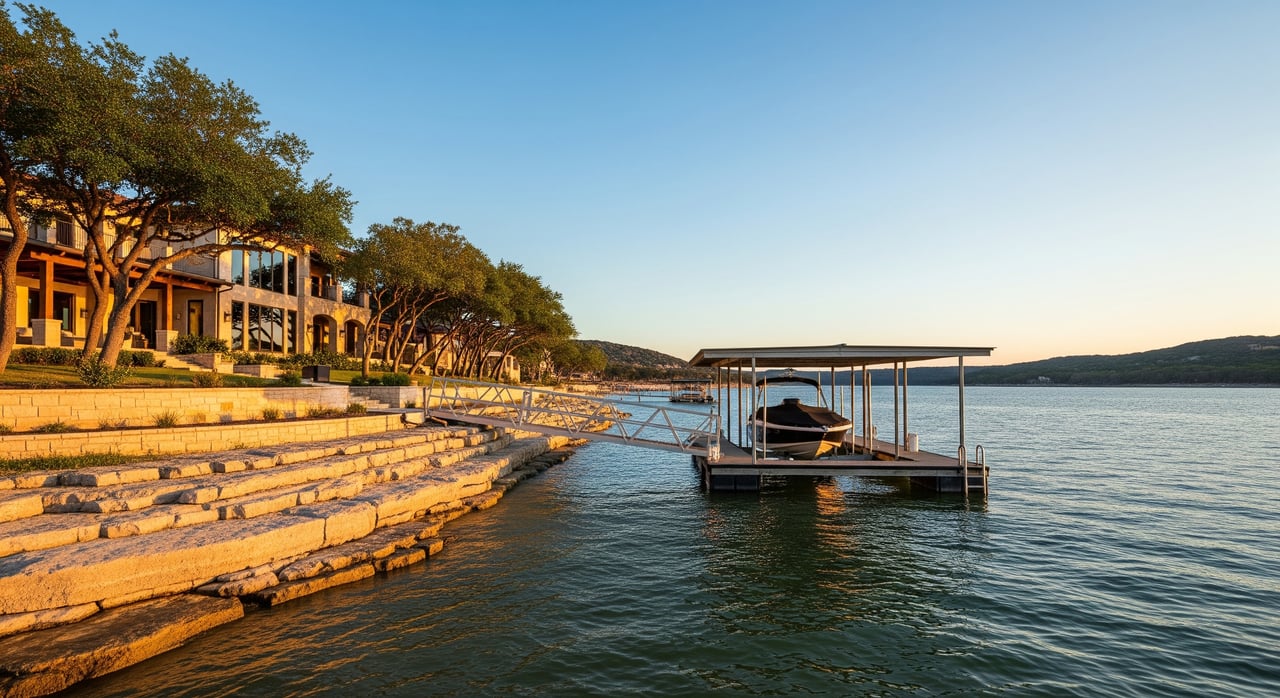
Dock placement also depends on location and local rules. LCRA says not all sites are suitable for docks, especially very shallow areas, narrow coves, rocky terrain, or other hazardous spots. On Lake Travis, residential docks may extend up to 100 feet from shore only where there is still an additional 40 feet of lake access, and in narrow coves, only recessed docks may be allowed.
For a second-home buyer, this is more than a paperwork issue. It affects whether the property will deliver the waterfront lifestyle you expect. A beautiful home with unclear dock rights or limited dock options may not function as the retreat you had in mind.
Look Beyond the House
A part-time retreat is really a system, not just a structure. The home, shoreline, dock setup, driveway, wastewater system, and maintenance plan all need to work together. That is especially true if you plan to host guests or use the property heavily during peak weekends.
As you evaluate homes, think about how much hands-on management the property will require when you are away. A striking waterfront lot can still be the wrong fit if upkeep is too complex, if access is awkward, or if essential systems need close supervision.
Know the Layered Rules
Lake Travis ownership comes with several layers of oversight. LCRA says dock owners must comply with LCRA standards as well as any local jurisdiction or property-owner-association rules that are more restrictive. That means you should confirm not only what is possible in theory, but what is actually allowed for that specific property.
Shoreline upkeep is another area that surprises some buyers. LCRA notes that debris removal from private shoreline is generally the owner’s or POA’s responsibility, not LCRA’s. If you are using the home part-time, it is wise to understand who will handle cleanup and routine waterfront care before closing.
Plan Improvements Early
If you want to personalize the property after purchase, start your due diligence early. LCRA says the Highland Lakes Watershed Ordinance regulates development to manage stormwater runoff in the Lake Travis watershed and applies to certain land-modification activity in Travis County, parts of Burnet County, and part of Llano County. Projects like additions, grading, driveway work, retaining walls, or similar site changes may need review.
That matters because many retreat buyers assume smaller exterior projects will be simple. On Lake Travis, site work can carry more planning requirements than expected. If you are buying with renovation or expansion in mind, it helps to evaluate those possibilities before you commit.
Wastewater Is a Real Due-Diligence Item
Septic planning is not glamorous, but it is essential. LCRA says its On-Site Sewage Facilities Program regulates systems within a 2,000-foot zone around Lake Travis, and the Texas Commission on Environmental Quality says OSSFs require permitting, an approved plan, and a site evaluation because local conditions drive system design. Local permitting authorities can also impose stricter requirements than the state baseline.
For a part-time retreat, guest use makes this especially important. A home that seems ideal for entertaining may need careful review if weekends bring larger groups than a typical full-time household. Septic capacity, maintenance schedules, and pump-out planning should be part of your ownership strategy from the beginning.
Make the Home Easy to Operate
The most enjoyable second homes are often the ones designed for low-friction ownership. Think of your Lake Travis property as a managed retreat rather than an always-on residence. The goal is not just beauty, but dependable performance when you arrive for a weekend.
A smart operating plan may include:
- Security systems and smart locks
- HVAC and leak monitoring
- Regular pest control
- Landscaping that helps limit runoff
- Clear guest check-in instructions
- Defined parking plans
- Standing relationships with local service providers
When those details are handled in advance, the home is more likely to feel calm and ready when you need it.
Dock Maintenance Should Be Proactive
Dock care is one of the most important recurring issues for part-time owners. LCRA says floating docks are at higher risk than fixed or recessed docks during floods, and it notes that the easiest way to maintain a dock may be to hire a qualified dock contractor when the owner is not on site. LCRA also recommends keeping docks close to shore, doubling cables, anchoring downstream, using proper lighting, checking cables, keeping flotation foam encased, and limiting loose items that could wash away.
That guidance matters even more when you are not present for fast-changing conditions. LCRA says dock owners are responsible for damage or hazards if a dock breaks loose, and it advises owners to know what is under the dock and consider voluntary dock registration or marking. For many buyers, a reliable dock service company is not optional. It is part of owning responsibly on Lake Travis.
Prepare for Guests and Waterfront Use
If your retreat will host family or friends, create clear expectations before anyone arrives. Written guidance can help protect the property and make weekends smoother for everyone. This is especially useful for homes where guests may be unfamiliar with lakefront routines.
Helpful guest instructions may cover:
- Dock use and waterfront safety
- Boating basics and local launch habits
- Trash disposal and departure routines
- Parking rules
- What to do during changing lake conditions
- Clean, drain, and dry steps for boats, trailers, and gear
That last point matters because zebra mussels are established in Lake Travis. Texas Parks and Wildlife warns that they can attach to hard surfaces and create sharp, costly maintenance issues for docks and shorelines.
Think Lifestyle, Then Logistics
Lake Travis offers more than private waterfront living. LCRA and Travis County Parks operate 15 parks on the reservoir, several with campgrounds, beaches, picnic areas, boat ramps, and shoreline fishing. For a part-time owner, that can add flexibility when you are hosting guests or planning a fuller lake weekend.
Still, the best retreat purchases balance lifestyle appeal with clear logistics. The right home is not only visually compelling. It is also a property you can manage with confidence, whether you are in residence three days a week or three weekends a month.
Buying with the Right Strategy
A successful Lake Travis retreat purchase usually comes down to asking better questions early. Instead of focusing only on finishes, views, and square footage, look at how the home will function across changing water levels, guest use, maintenance cycles, and improvement plans. That is where long-term satisfaction often starts.
For discerning buyers, especially those coming from out of market, a curated and detail-driven search can make all the difference. A well-chosen Lake Travis home should feel restorative when you arrive, practical when you leave, and easy to enjoy across seasons.
If you are considering a Lake Travis home as a part-time retreat, Dara Allen offers discreet, high-touch guidance for waterfront and luxury property decisions throughout the Lake Travis corridor.
FAQs
Does owning Lake Travis waterfront mean you can automatically build a dock?
- No. LCRA says owning lakeshore does not automatically entitle you to build a dock, and buyers should verify submerged-land ownership and dock standards before purchase.
Is a sheltered cove better than open water on Lake Travis for a part-time retreat?
- Often yes from a practical standpoint, because a sheltered cove or recessed shoreline may offer better protection from wakes, wind, and flood debris, though the best fit depends on the specific site.
What should you verify before buying a part-time home on Lake Travis?
- Review shoreline type, dock rights, submerged-land ownership, local or POA rules, debris-removal responsibility, wastewater setup, and whether planned improvements may require review under watershed rules.
Why do water-level changes matter for Lake Travis second-home buyers?
- TPWD says Lake Travis typically fluctuates 10 to 20 feet, which can affect shoreline access, dock position, and how usable the waterfront feels over time.
What maintenance is most important to outsource for a Lake Travis retreat home?
- Dock service, septic service, and property management are often the clearest priorities for owners who are not at the lake full-time.
What should guests know before visiting a Lake Travis waterfront home?
- Guests should have clear written guidance on dock use, boating safety, trash disposal, parking, changing lake conditions, and invasive-species precautions like cleaning, draining, and drying boats and gear.