Are you watching Lake Travis rise and fall and wondering what that really means for your dock, boating plans, or property value? You are not alone. Lake levels can change quickly, and the ripple effects on usability and pricing are very real. In this guide, you will learn how water levels influence docks, marina access, flood risk, and buyer perception, plus the most important steps to protect value whether you are buying or selling. Let’s dive in.
Lake Travis levels 101
Lake Travis is a managed reservoir on the Colorado River. The Lower Colorado River Authority oversees Mansfield Dam and day-to-day lake operations. You can review current and historical lake elevations through LCRA, while the U.S. Geological Survey tracks river gauges and streamflow. For flood mapping and insurance questions, FEMA and county offices publish official flood data and base flood elevations.
Why levels change
Short-term swings often follow rainfall, storm runoff, or LCRA releases downstream. Seasonal patterns bring wetter months and dry spells that move the lake up or down over several months. Over the long run, regional drought cycles and growing water demand influence how often the reservoir sits lower or nearer typical operating ranges.
What changing levels mean at your shoreline
Docks and lifts
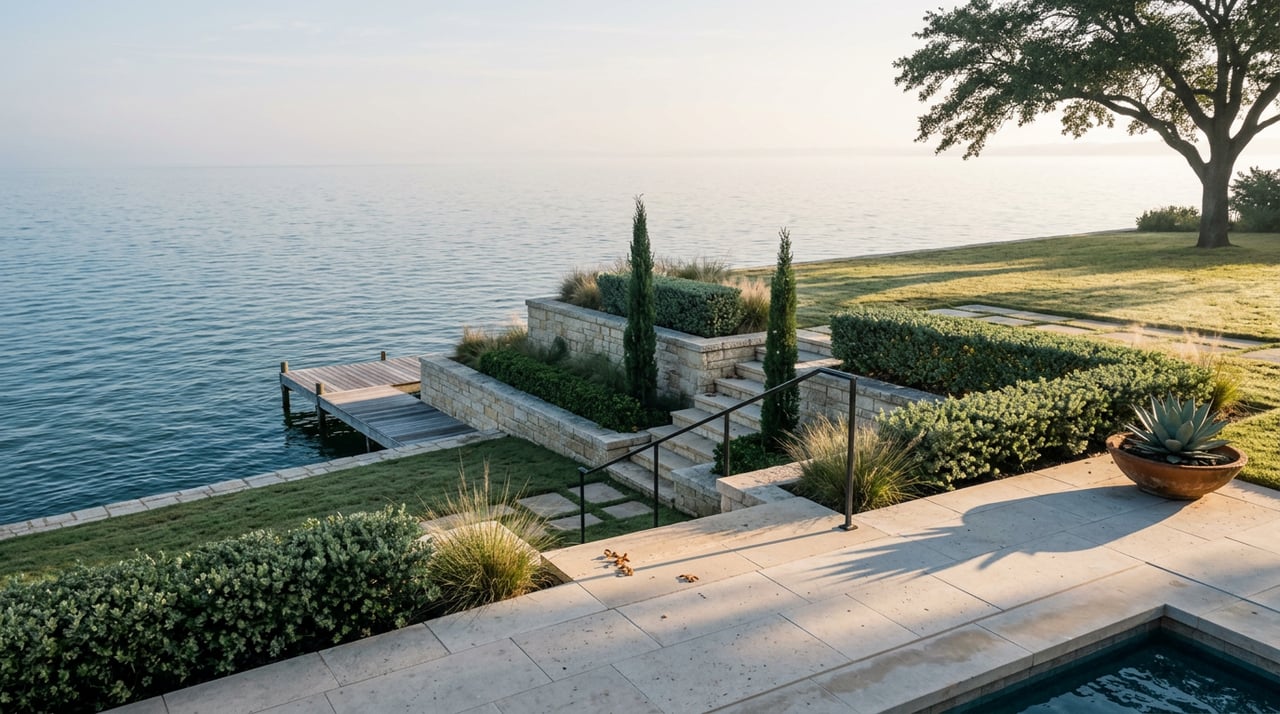
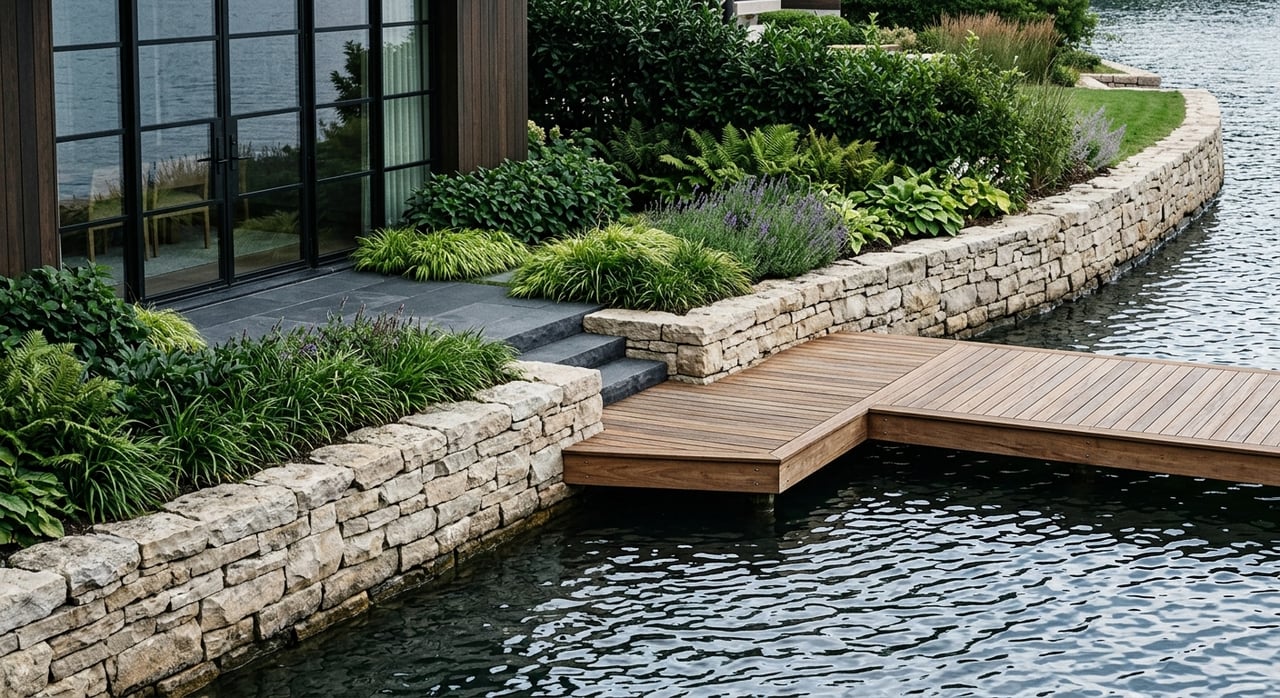
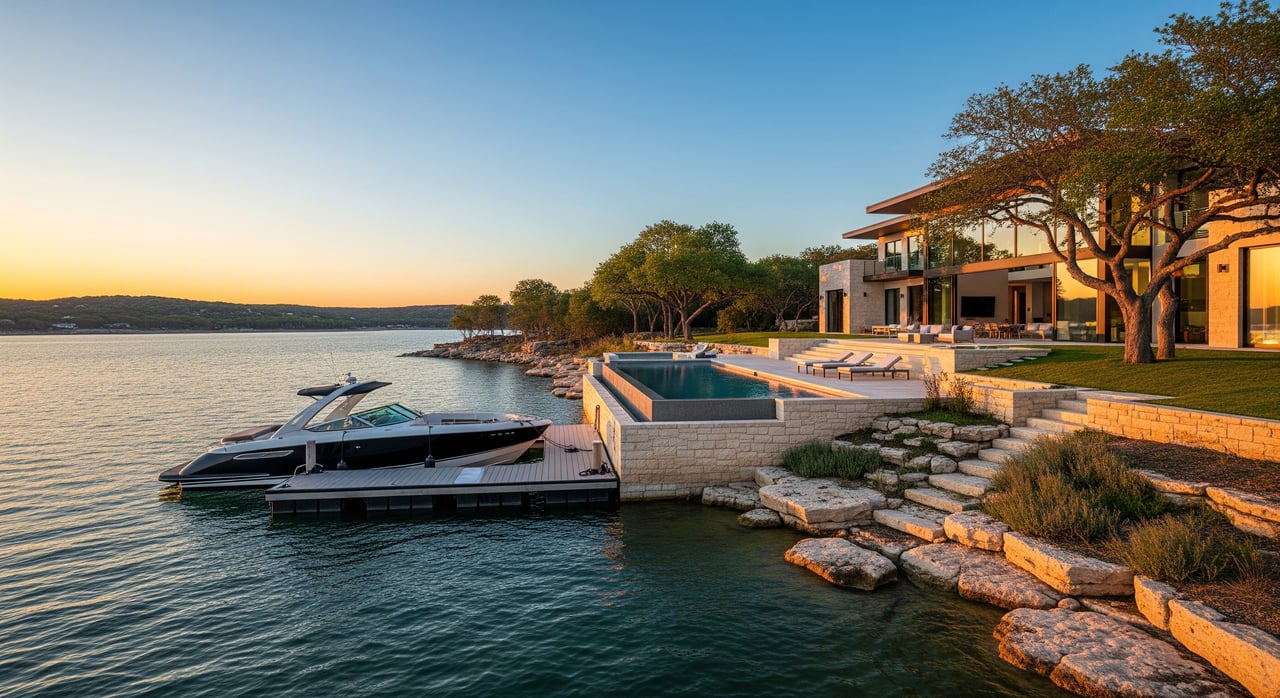
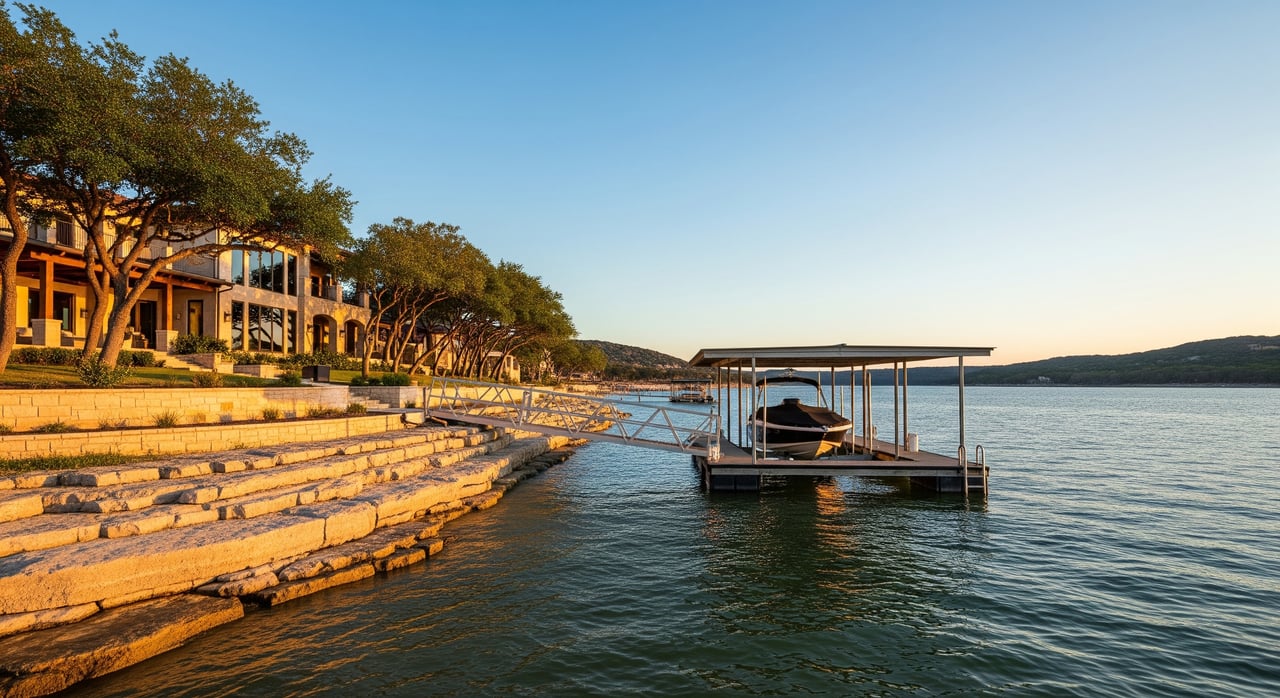
Dock usability is not one-size-fits-all. Floating docks with long, adjustable gangways usually function across a wider range of elevations, while fixed docks can become unusable at lower levels. The exact usable window depends on dock design, lift reach, and your site’s slope. LCRA and local authorities regulate dock permits, so you should confirm the permit status and assumed operating range for any structure.
Boat access and marinas
Boat ramps and marinas have minimum usable elevations. When the lake drops below those thresholds, ramps can run dry, and marinas may move docks or limit service. Deeper-draft boats are affected sooner than smaller craft. Community docks and marinas vary in adaptability, so it pays to ask about their procedures during low-water periods.
Shoreline and aesthetics
Low water can expose lakebed, change the view, and set the stage for erosion when levels rise again. Very high water can inundate shoreline vegetation and temporarily reduce usable yard or beach areas. Both scenarios can require additional maintenance or shoreline stabilization over time.
Utilities and structures
Septic systems, drainfields, wells, and low-elevation utilities are designed with groundwater and flood elevations in mind. Prolonged changes in lake level can shift groundwater conditions and stress older systems. Foundations and basements near the waterline may also experience changing moisture dynamics.
Flooding vs. low-water risk
High lake levels increase flood risk for low-lying lots, which ties directly to flood insurance requirements set by FEMA flood zones and local rules. Low lake levels mostly affect access and usability rather than structural damage, though they can reveal bank instability or the need to relocate or reconfigure a dock.
How levels influence value and perception
Waterfront premium
The waterfront premium rests on reliable access to the water. When buyers believe they can keep a boat at the dock and launch when they want, value holds stronger. If a property’s dock becomes unusable at commonly observed low levels, that premium can shrink.
View vs. access
If you care most about the view, temporary low water may not change your enjoyment much. If boating is your priority, historical access matters more. Listings marketed around private dock access tend to be more sensitive to level changes than those focused on views.
Market confidence
Extended low-water periods can slow buyer activity and increase days on market for homes that depend on shallow or fixed docks. Homes with floating docks, longer gangways, or deeded access to deep-water community slips tend to retain buyer confidence better.
Appraisals, financing, and insurance
Appraisers look at comparable sales and highest and best use. If recent sales occurred during a low-water period with restricted access, appraised values can reflect that. Lenders may ask about dock functionality and flood risk, and flood insurance requirements follow FEMA maps. Insurers also consider shoreline conditions and access when evaluating risk.
Ownership and permits
Shoreline ownership, dock rights, and HOA rules vary by property. Active permits do not guarantee practical usability during low water. Understanding the permit status, conditions, and any community rules helps you set realistic expectations.
Buyer checklist for Lake Travis waterfront
- Review historical lake elevations and multi-year patterns through official sources. Ask for photos of the property during prior low-water periods.
- Confirm the dock type, gangway length, lift capacity and reach, and all permits or approvals. Request copies of permits and any recorded restrictions.
- Contact nearby marinas and community docks to learn minimum usable elevations, policies during low water, and any waitlists for slips.
- Check FEMA flood maps and local base flood elevations. Ask for an elevation certificate if available.
- Ask about past shoreline work, erosion repair, and any revetment or stabilization permits.
- Verify septic and well locations and elevations with county records. Consider an engineer’s review for complex sites.
- Speak with neighbors and local boaters about typical usability and how often docks or ramps are limited.
Seller playbook to protect value
- Disclose dock functionality clearly, including the lowest elevations at which the dock and lift remained usable. Include high-water and low-water photos if you have them.
- Consider upgrades that increase resilience, such as a floating dock, longer gangway, or extended-reach lift, if feasible and permitted.
- Highlight strengths in your marketing, like deep-water access, community marina options, recent shoreline stabilization, or documented maintenance.
- Confirm permit continuity for docks and shoreline improvements before listing.
Negotiation, contract, and financing
- Add contingencies for dock permits, functional boat access at commonly observed low levels, and any required modifications.
- Provide appraisers and lenders with documentation of historical usability, marina access, and flood data to support valuation.
- If usability is limited today, negotiate credits or agreed repairs to address dock access before closing, subject to permits and feasibility.
Design choices that add resilience
- Choose floating docks with long, adjustable gangways for a broader operating range.
- Use lifts with extended reach or dock-mounted systems suited to changing elevations.
- Consider deeded or community deep-water slips that stay operable when small private docks cannot.
Two quick scenarios
- Fixed dock on a shallow slope: Excellent when levels are near typical ranges, limited usability in extended low water, often higher maintenance during swings.
- Floating dock with a long gangway or deep-water community slip: Stronger usability across more conditions and usually more attractive to boating-focused buyers.
The bottom line
Lake Travis levels are dynamic and actively managed. What matters most is how your specific shoreline, dock design, and permits intersect with historical patterns. When you plan for variability, you protect your lifestyle and your investment. If you want a quiet, expert strategy to buy or sell on Lake Travis, connect with the boutique team that does this every day. Reach out to Dara Allen to Request a Private Home Valuation or to discuss a tailored plan.
FAQs
How do Lake Travis levels affect dock usability?
- Dock usability depends on design and site slope. Floating docks with longer gangways and lifts with extended reach typically remain usable across a wider range of elevations than fixed docks.
What should Lake Travis buyers verify before making an offer?
- Review historical lake elevations, confirm dock permits and lift specs, check FEMA flood maps, ask marinas about minimum usable levels, and verify septic and shoreline conditions through county records.
Do low lake levels lower waterfront home values?
- Prolonged low-water periods can reduce the waterfront premium for properties that lose reliable access. Homes with adaptable docks or deep-water marina options tend to hold value better.
How do appraisals and loans factor in lake conditions?
- Appraisers consider comparable sales and highest and best use, so restricted access during low-water periods can influence value. Lenders may scrutinize flood risk and dock functionality.
Who handles dock permits on Lake Travis?
- LCRA regulates docks, with additional rules from local counties and HOAs. Active permits define allowed structures but do not guarantee usability during low water.