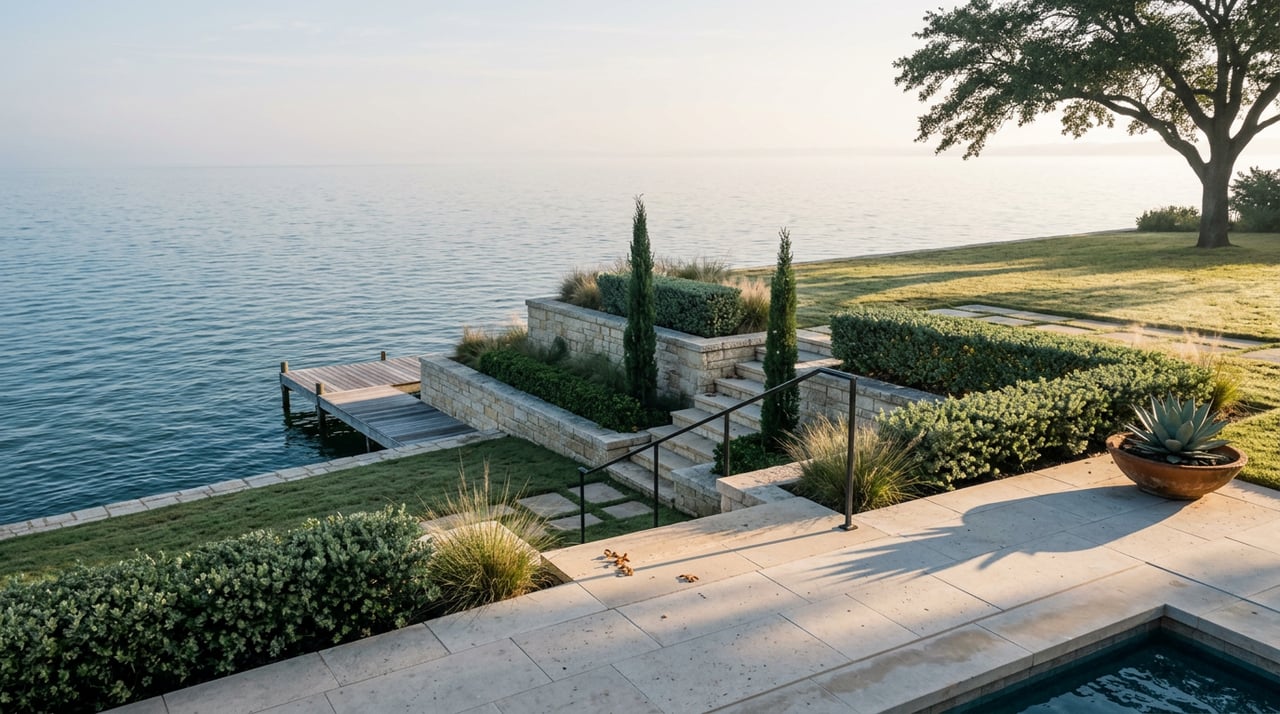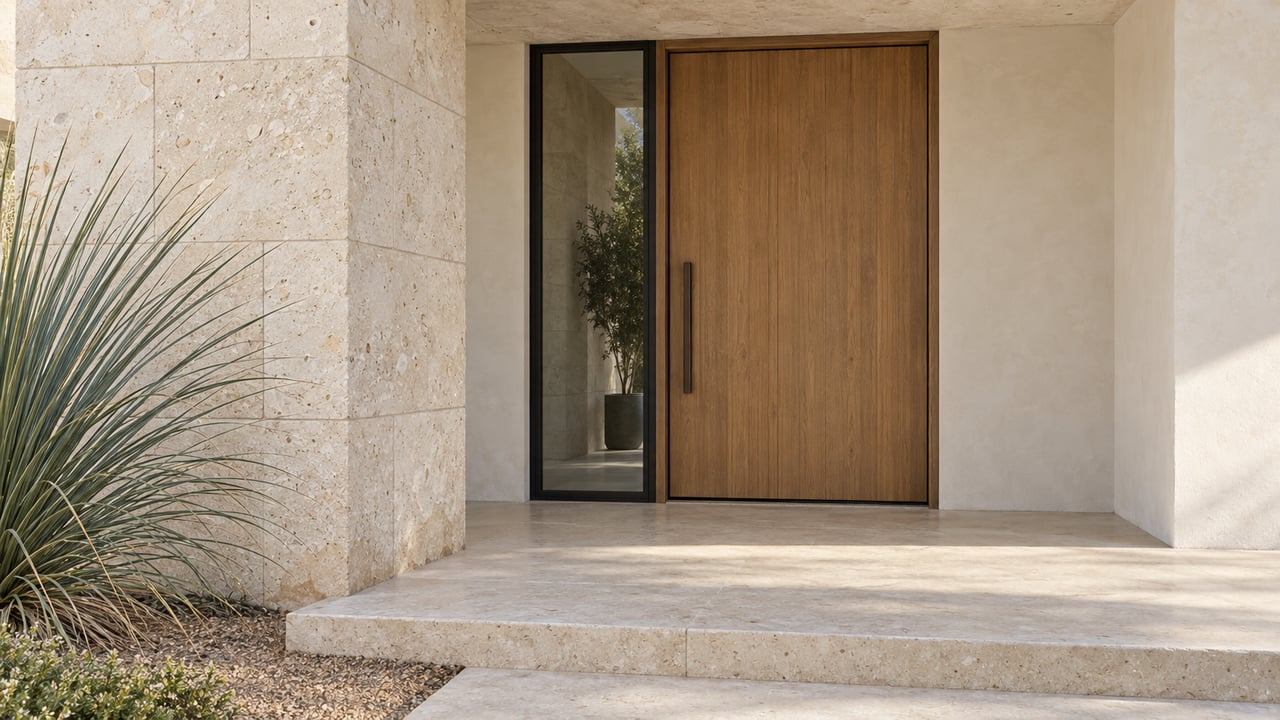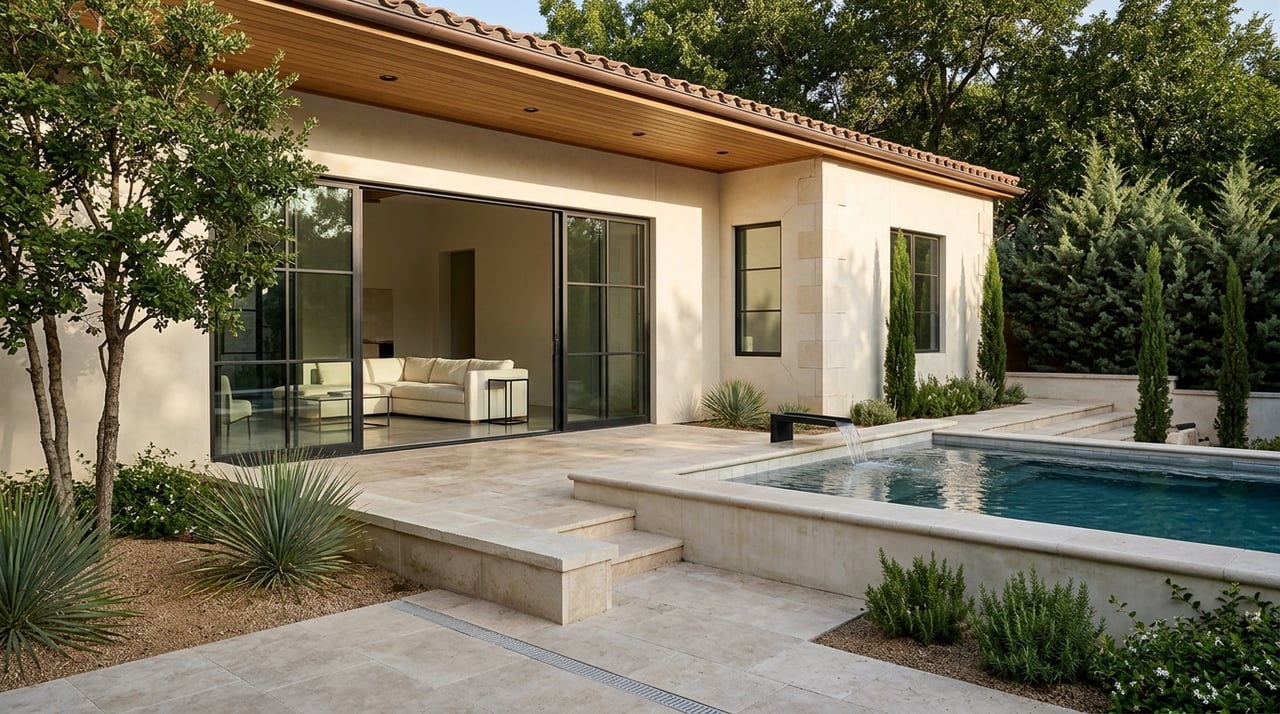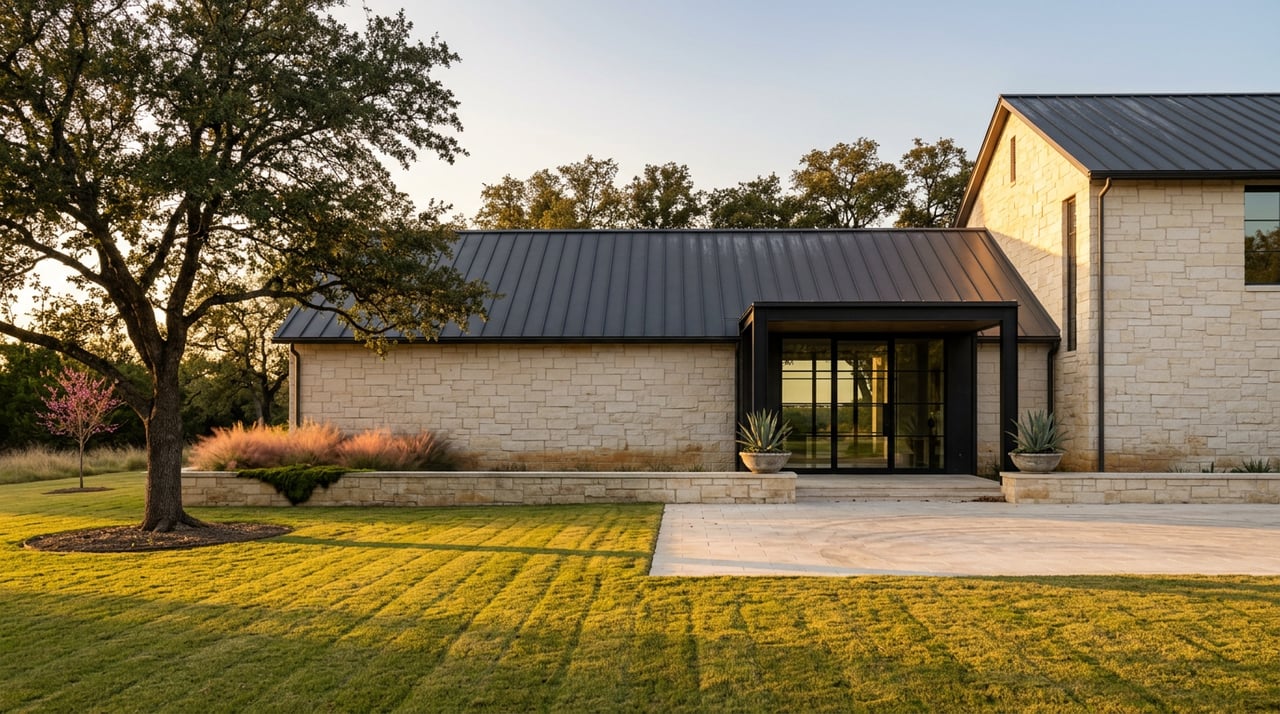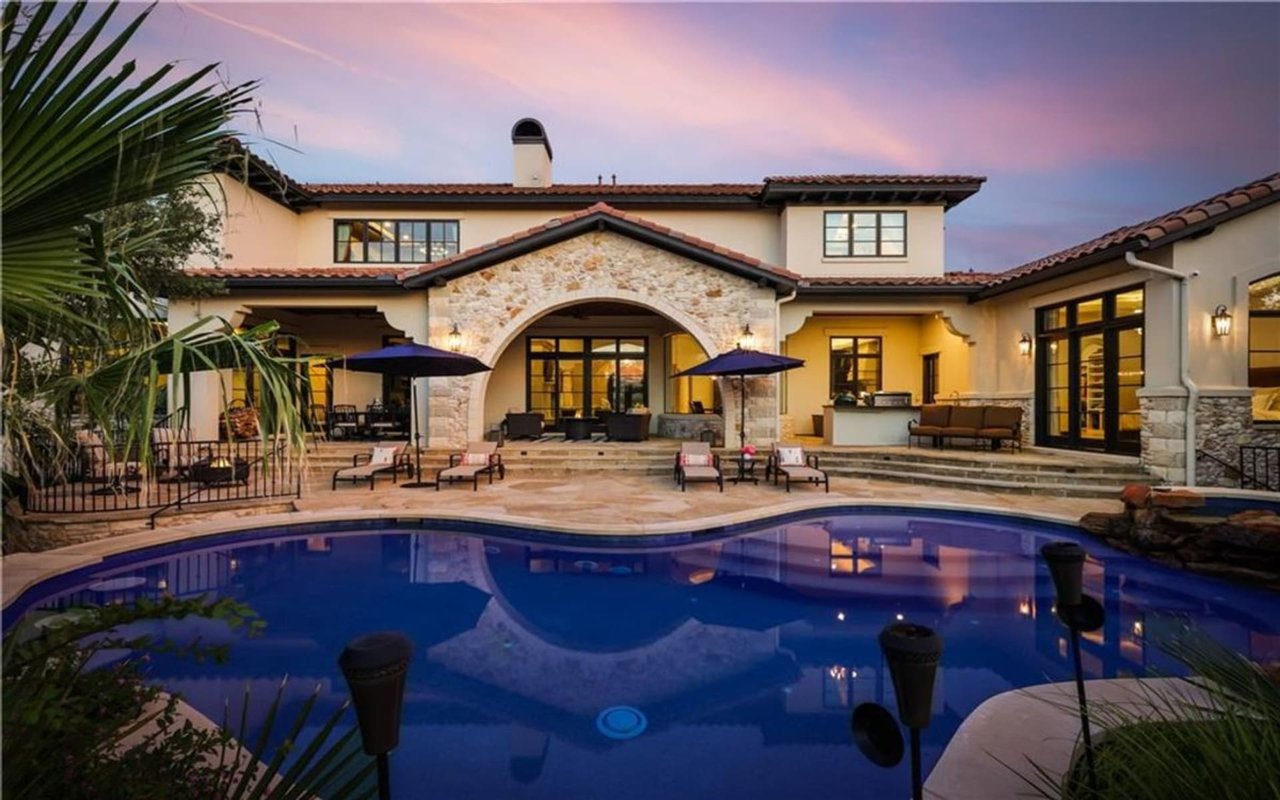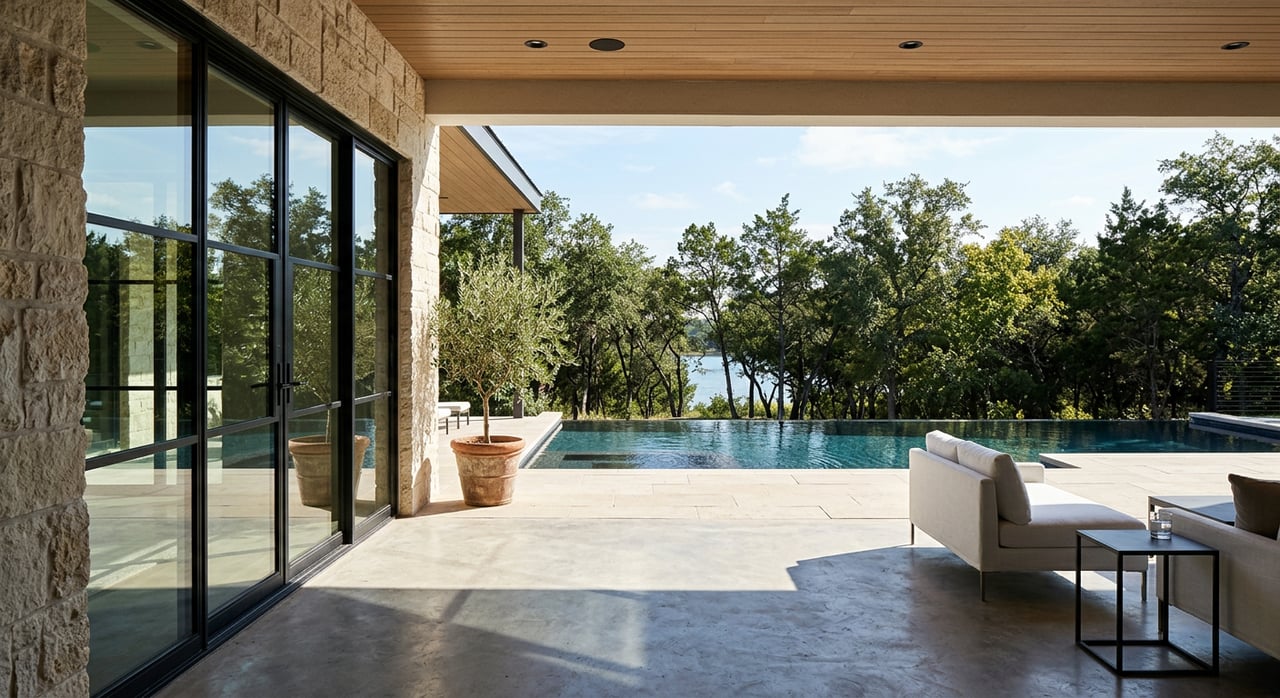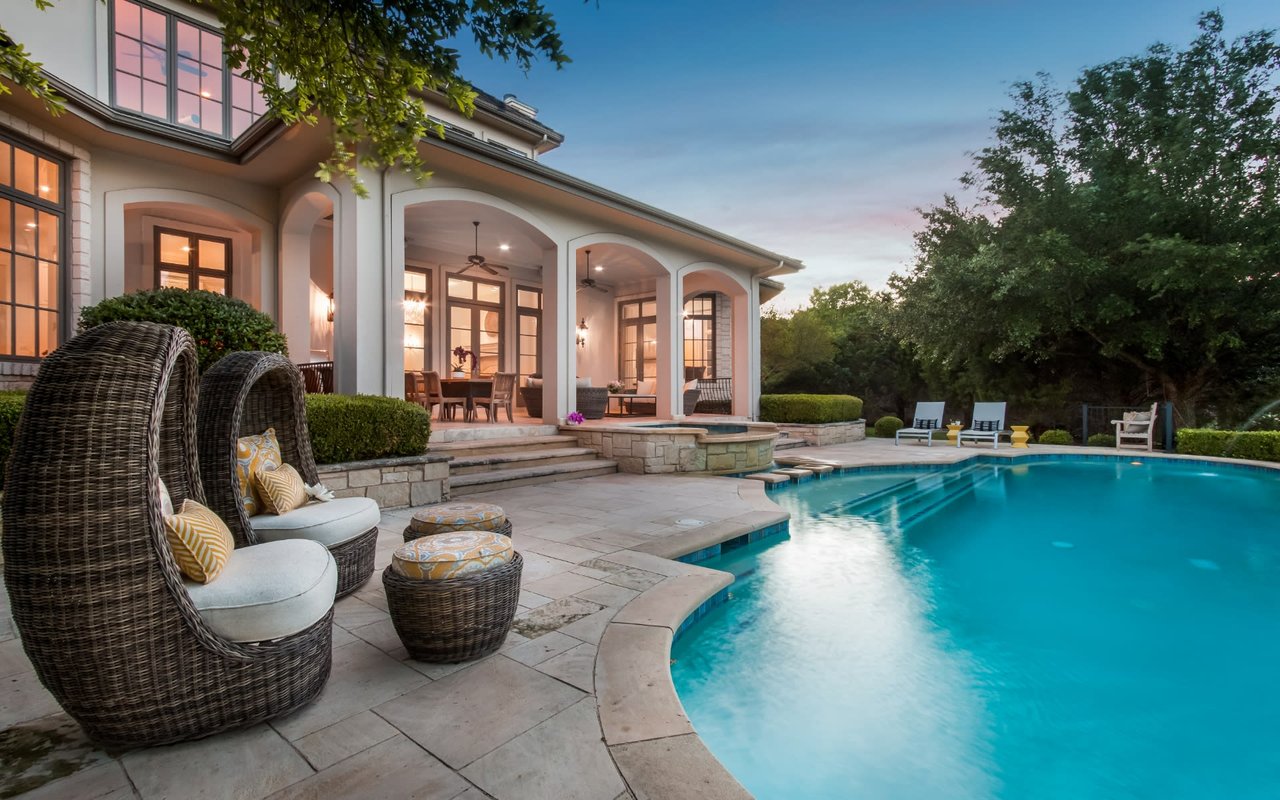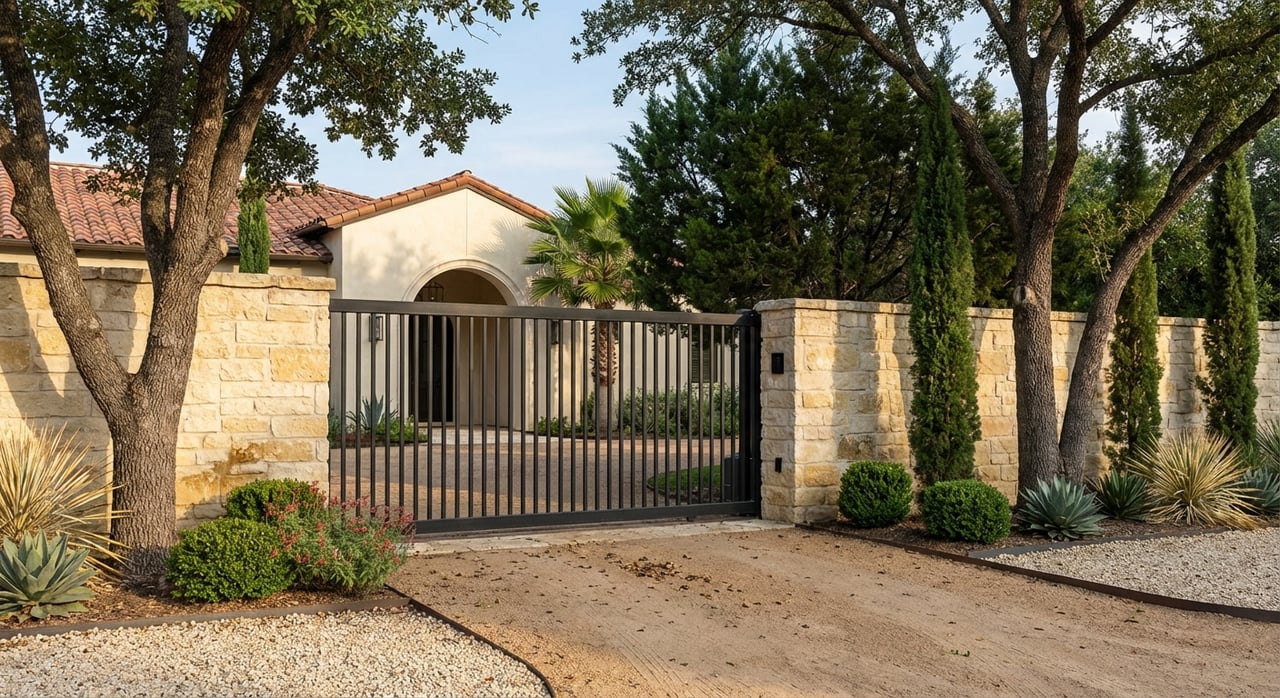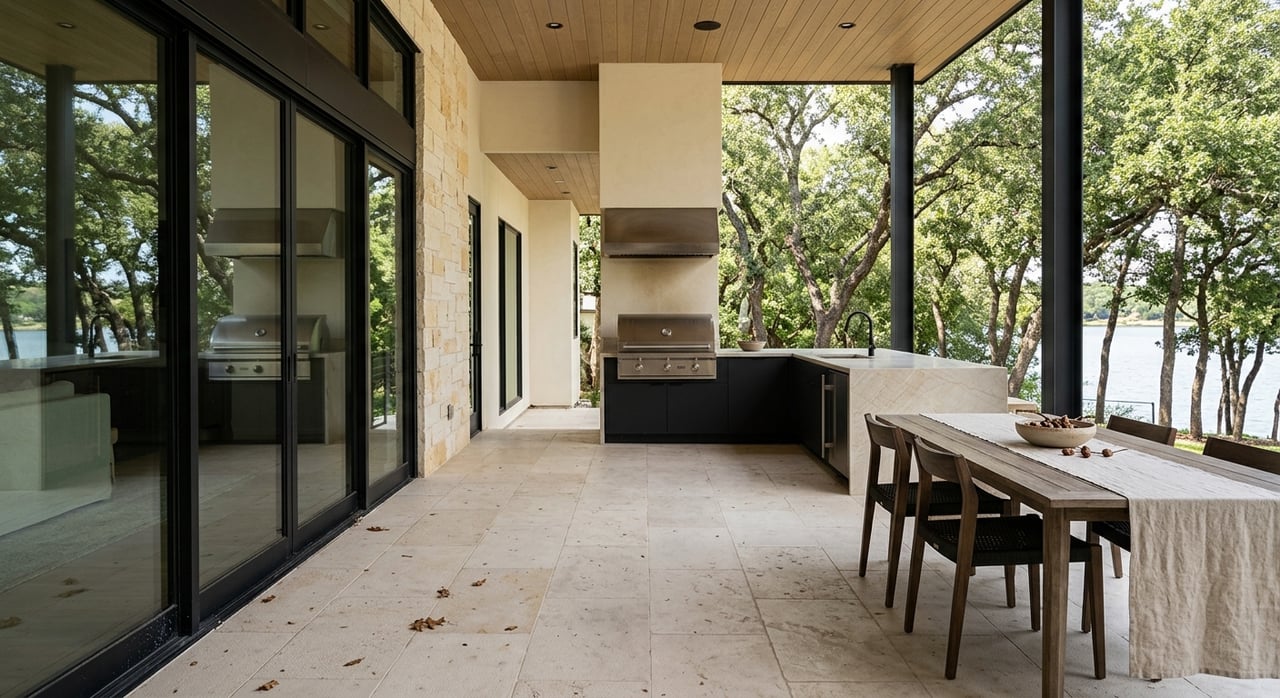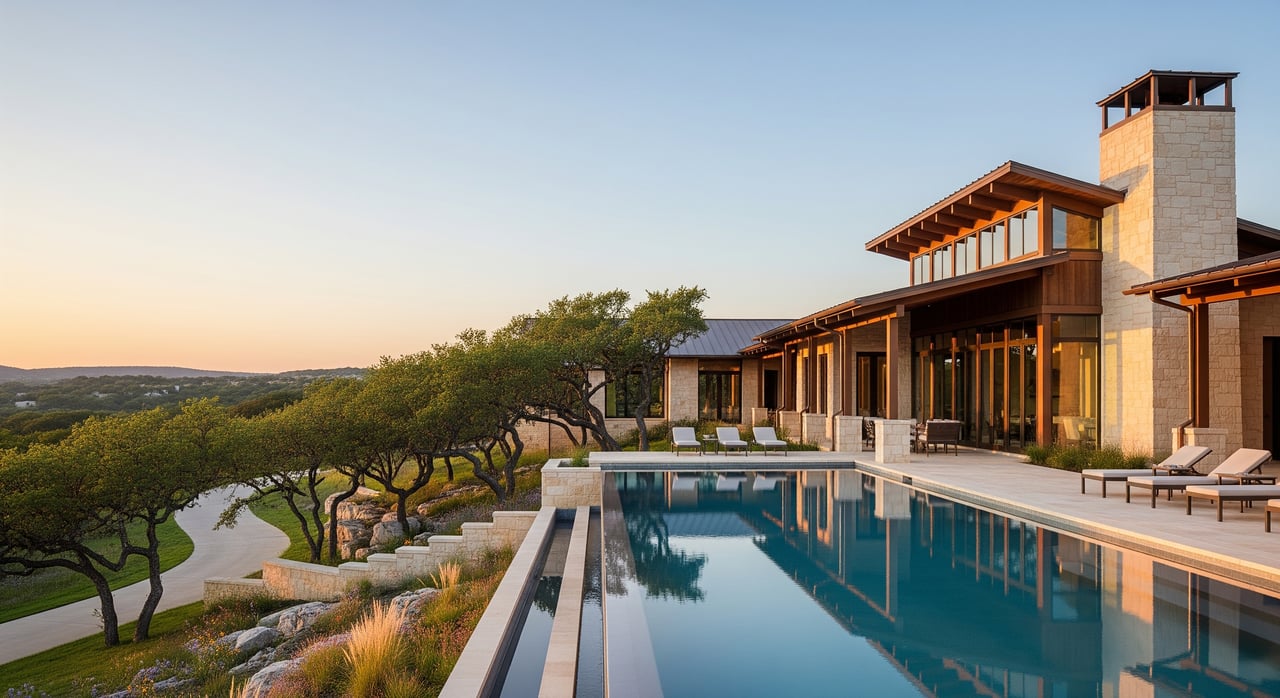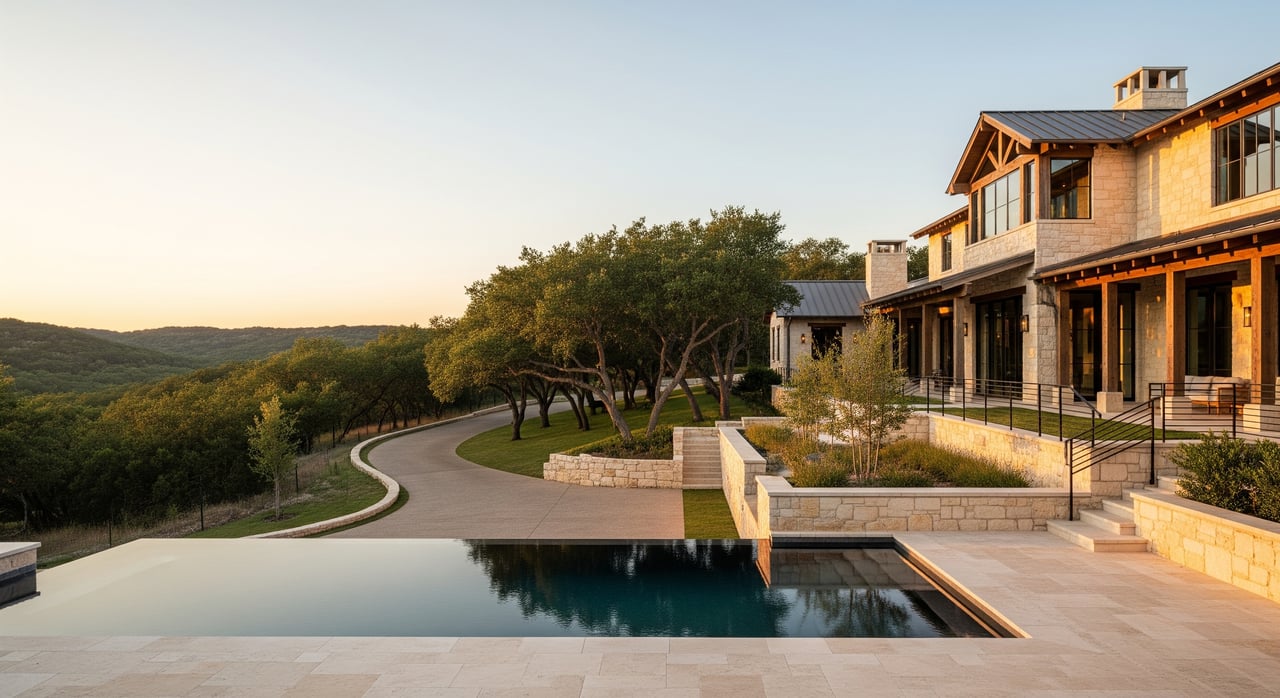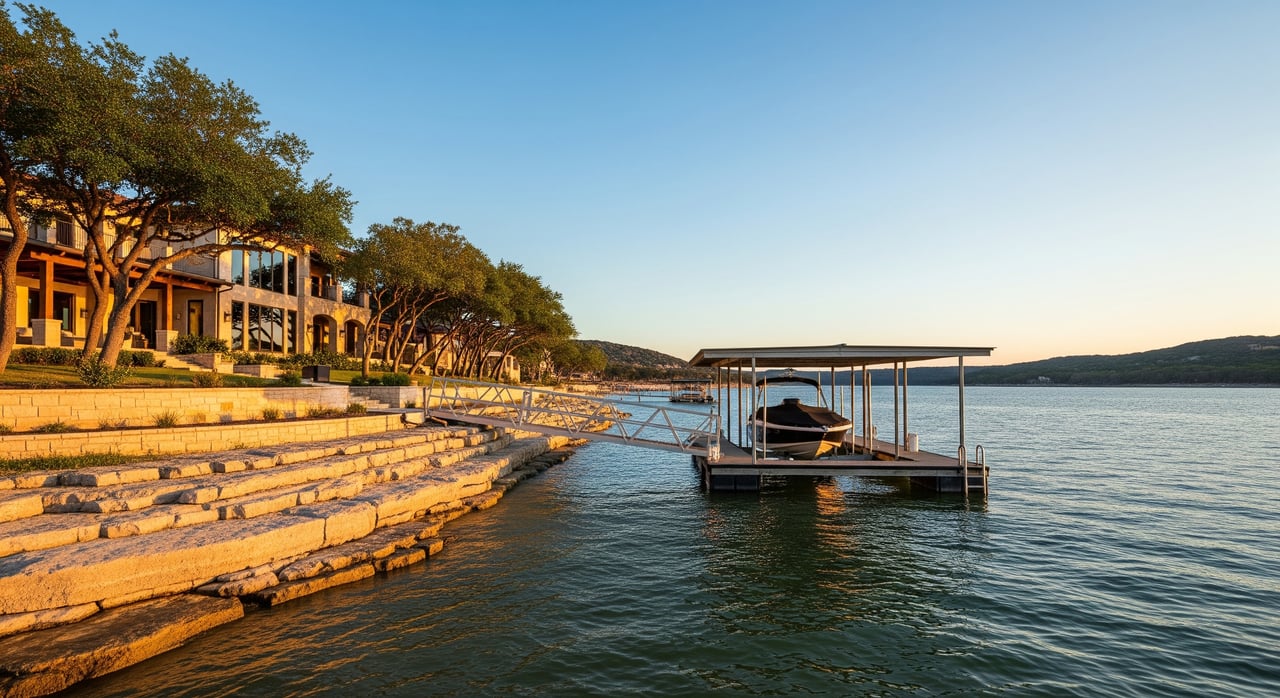
Imagine waking up to long Hill Country views, coffee on a shaded terrace, and a home crafted to your exact tastes. If building inside a private, gated community sounds both exciting and complex, you are not alone. Spanish Oaks has its own standards, approvals, and logistics that can be hard to parse at first. This guide breaks it all down so you can choose the right homesite, assemble the right team, and move from concept to keys with confidence. Let’s dive in.
Why build in Spanish Oaks
Spanish Oaks is a private Hill Country community known for estate homes, security, and resort-style amenities. The neighborhood sits near Bee Cave along Highway 71, close to shopping and outdoor recreation. It is served by Lake Travis ISD, though school assignment is based on the district’s published boundaries. For permits and utilities, what matters most is jurisdiction. Confirm whether a lot lies in Bee Cave city limits or the ETJ, since that determines who issues your building permit and inspections. You can review the community’s setting on the developer’s location overview.
Choose the right homesite
Understand lot types and pricing context
The developer recently released The Hillside, an approximately 83‑acre enclave of about 64 homesites ranging from roughly 0.3 to 1.6 acres. Developer materials have shown lot prices from the high six figures into the low millions, with final pricing and release details available through the developer’s brokerage. You can explore current maps and homesite details on the Featured Homesites page and request introductions to approved teams through the Spanish Oaks Realty properties page.
Prioritize views, trees, and slope
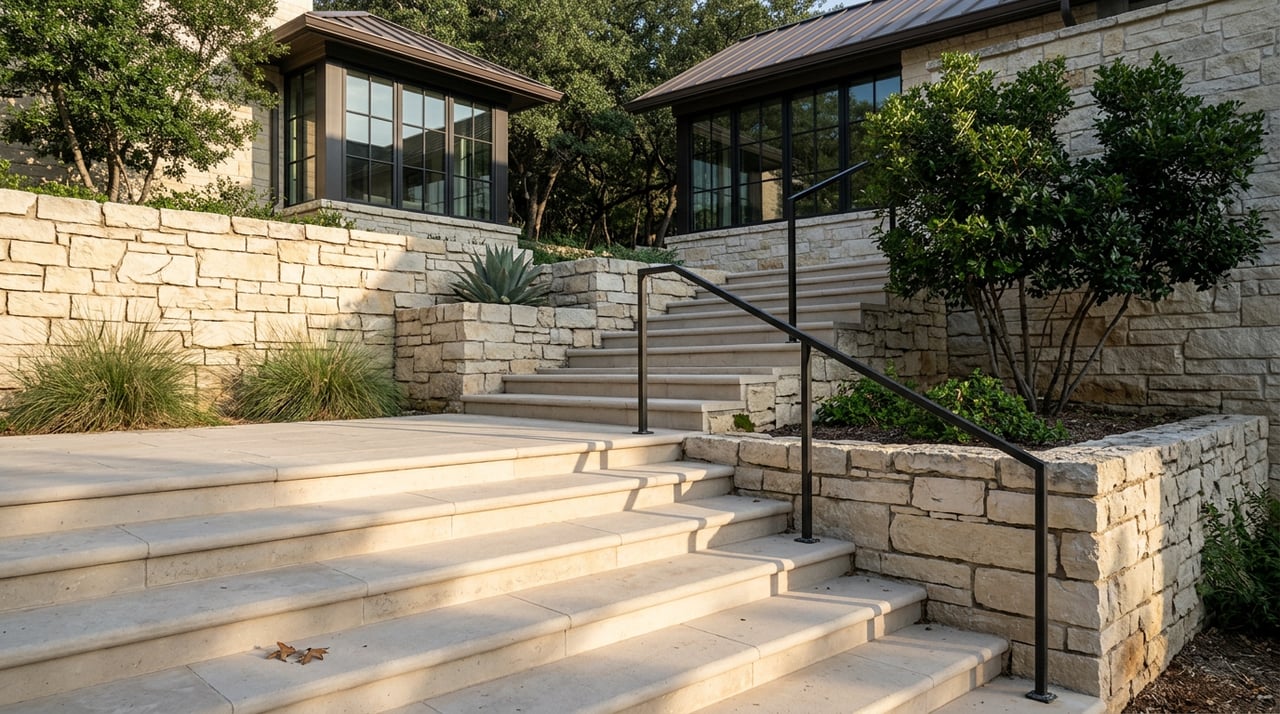
Spanish Oaks sits on classic Hill Country terrain with ridges, valleys, and golf-course buffers. When you walk lots, pay attention to how orientation frames long views and manages sun exposure. Map specimen oaks and protected vegetation, understand any view corridors and easements, and test how slope or rock outcrops affect your buildable area and foundation strategy. Developer site plans usually show build envelopes and key constraints; start there, then ground-truth on site using the Featured Homesites materials.
Plan for soils and foundations
Expect limestone and caliche beneath your feet. A geotechnical investigation with soil borings early in design will guide the right foundation type, such as post‑tension slab, piers, or engineered fill. On steep or rocky lots, budget for rock cutting and specialized sitework. A local excavation partner can explain typical Hill Country conditions and preparation steps; see this overview of Austin-area excavation considerations to understand why early testing matters.
Verify utilities and fees
Many Spanish Oaks homesites connect to water and sewer through a Municipal Utility District. Availability can vary by lot, so confirm service connections, line capacity, tap and meter fees, and any MUD assessments before you finalize a purchase. For lot‑specific utility details and current processes, coordinate with Spanish Oaks Realty via the properties page.
Know the water-quality rules
Parts of the Bee Cave and Lake Travis area sit within watersheds connected to the Barton Springs Zone. Projects here can trigger impervious-cover limits and water-quality controls. Ask your architect and civil engineer to model impervious cover and design appropriate water-quality measures early in the process. You can review the City of Austin’s applicable Barton Springs Zone water-quality provisions as a starting point.
Know the rules and approvals
ARC oversight and approved teams
Spanish Oaks requires all homes to meet rigorous architectural and landscape standards. For select releases, only certain architects and builders are approved. Expect a multi‑step path that includes developer and architectural review, HOA checks, and municipal permitting. You can see current guidance on the Featured Homesites page and request introductions to approved builders through Spanish Oaks Realty.
What your submission includes
A complete submittal typically features a site plan with limits of disturbance, a tree survey and protection plan, grading and drainage plans, architectural elevations and materials palette, and a landscape plan with native selections. On sloped sites, you will add engineered foundation and retaining-wall details. The ARC reviews how your design fits the topography and the community’s aesthetic. Use the Featured Homesites resources to align early.
Documents to request up front
Before you commission full plans, obtain the recorded CC&Rs, Architectural Guidelines, your lot’s build envelope, and the current ARC checklist and timeline. Spanish Oaks Realty notes they will introduce buyers to approved builders and explain the review process; start with the properties page to assemble your packet.
Permits, logistics, and timeline
Confirm who issues your permit
If your lot lies in Bee Cave, the City’s Planning and Development team handles plan review, permits, inspections, and contractor registration. If your lot is outside city limits in the ETJ, your path can differ. Your builder and architect should confirm jurisdiction on day one. Review the City’s building permits and inspections guidance and ensure your contractor completes the City’s contractor registration before you apply.
Build timeline to expect
Regional builder guidance places true custom-home timelines around 10 to 18 months from design start to move‑in. Plan on roughly 3 to 6 months for design, ARC approvals, permits, and preconstruction, then 6 to 12 or more for construction depending on size and complexity. Specialty finishes and supply-chain delays can extend that schedule. For context, see this overview of custom-home timelines in Texas.
Gate access and site staging
Spanish Oaks is a gated community with staffed entries. Coordinate delivery windows, truck routes, worker access, and any oversize-load notifications with the developer and gate staff well before groundbreak. Expect clear rules for site hours, street use, and protecting community landscaping.
Utility hookups and inspections
If your lot connects to a MUD, plan for separate application, tap or meter fees, and meter-install timelines. Your builder should schedule municipal inspections at each phase and maintain a clean record. Remember, ARC approval does not replace city or county code compliance, so do not skip the official inspections outlined on the City’s building permits and inspections page.
Select and manage your builder
Vet for Hill Country and gated experience
Choose a builder with proven Spanish Oaks or Hill Country work, strong references, and proper insurance. If your permit comes through Bee Cave, verify that the builder is registered with the City before plans are submitted. You can share this City link for contractor registration as part of your due diligence.
Lock in contract essentials
Your contract should spell out scope, pricing structure (fixed price, GMP, or cost‑plus), allowances with selection deadlines, and a detailed schedule. Tie progress payments to inspection milestones, define a clear change‑order process, and set expectations for lien releases, insurance certificates, and retainage. Most custom builders provide a written warranty, often following a 1‑year workmanship, 2‑year systems, and 10‑year structural framework. Review these terms in writing, and ask your attorney to review. For regional context, see this builder timeline and warranty overview.
Keep inspections on track
Build momentum by meeting each inspection on time and addressing punch items quickly. Missed or failed inspections can delay progress and occupancy. Treat ARC, HOA, and municipal sign‑offs as related but separate requirements, and plan your schedule around all three.
Design for Hill Country living
Materials that perform and fit the aesthetic
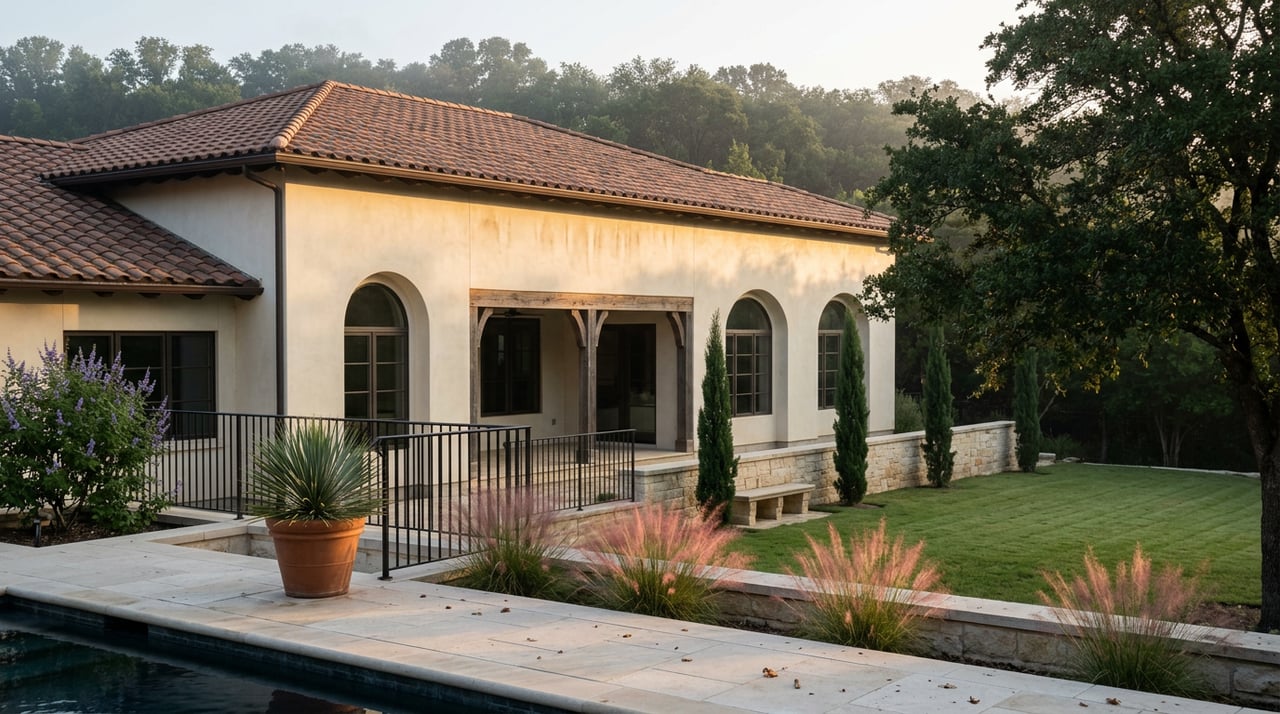
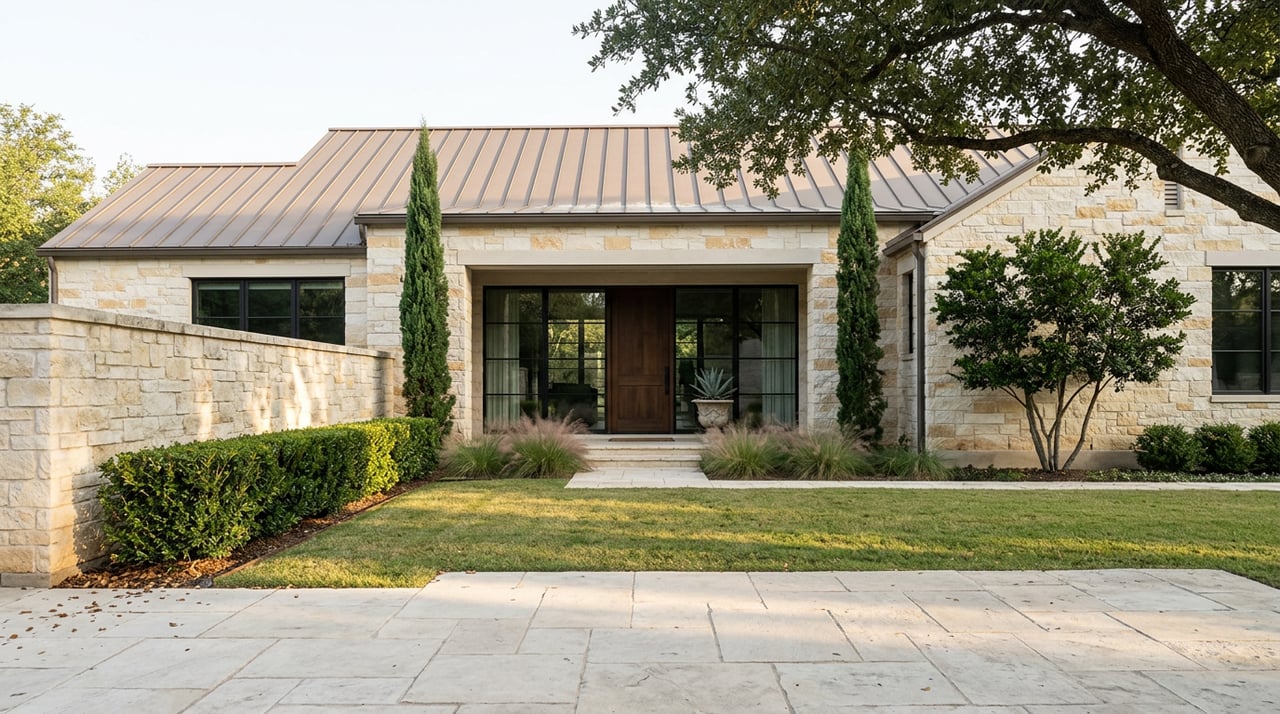
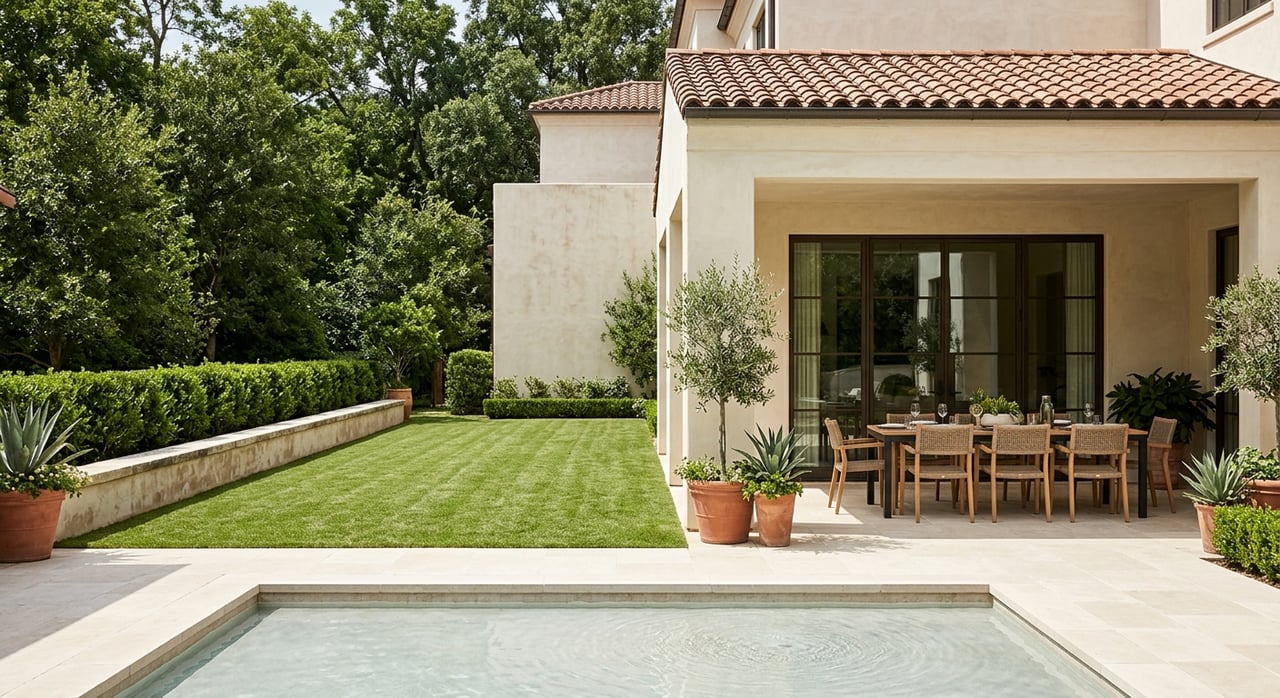
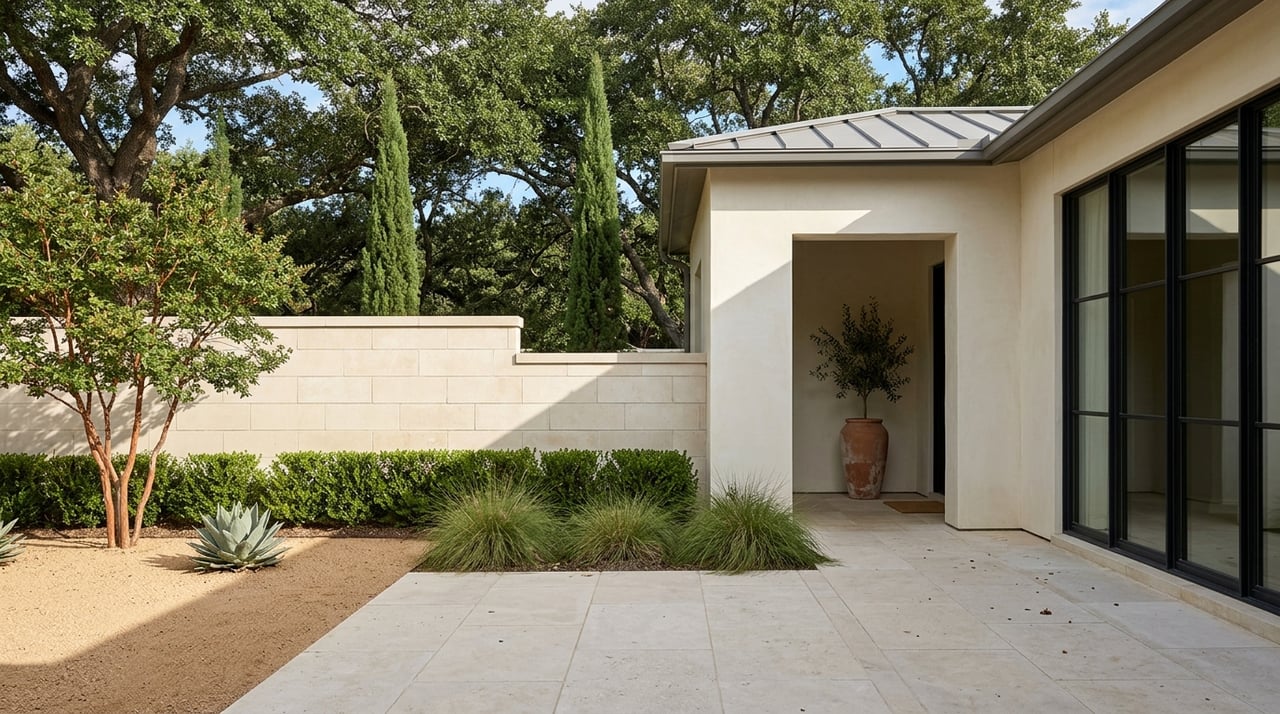
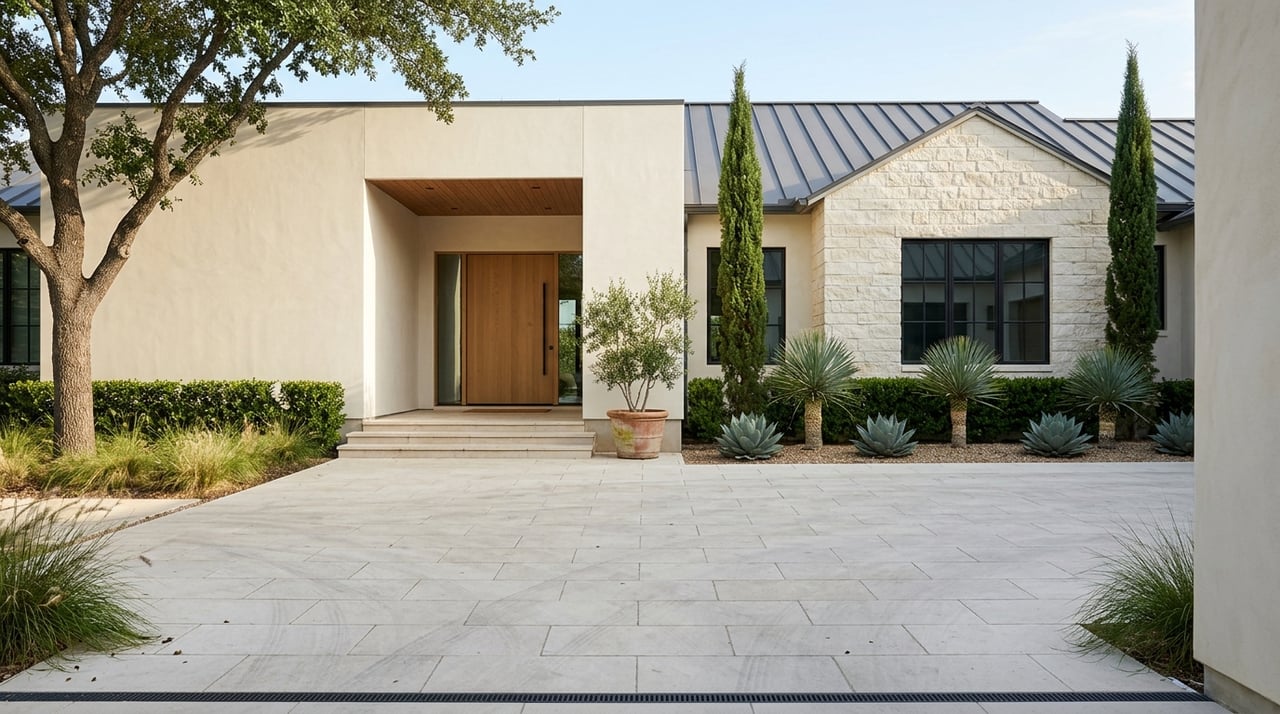
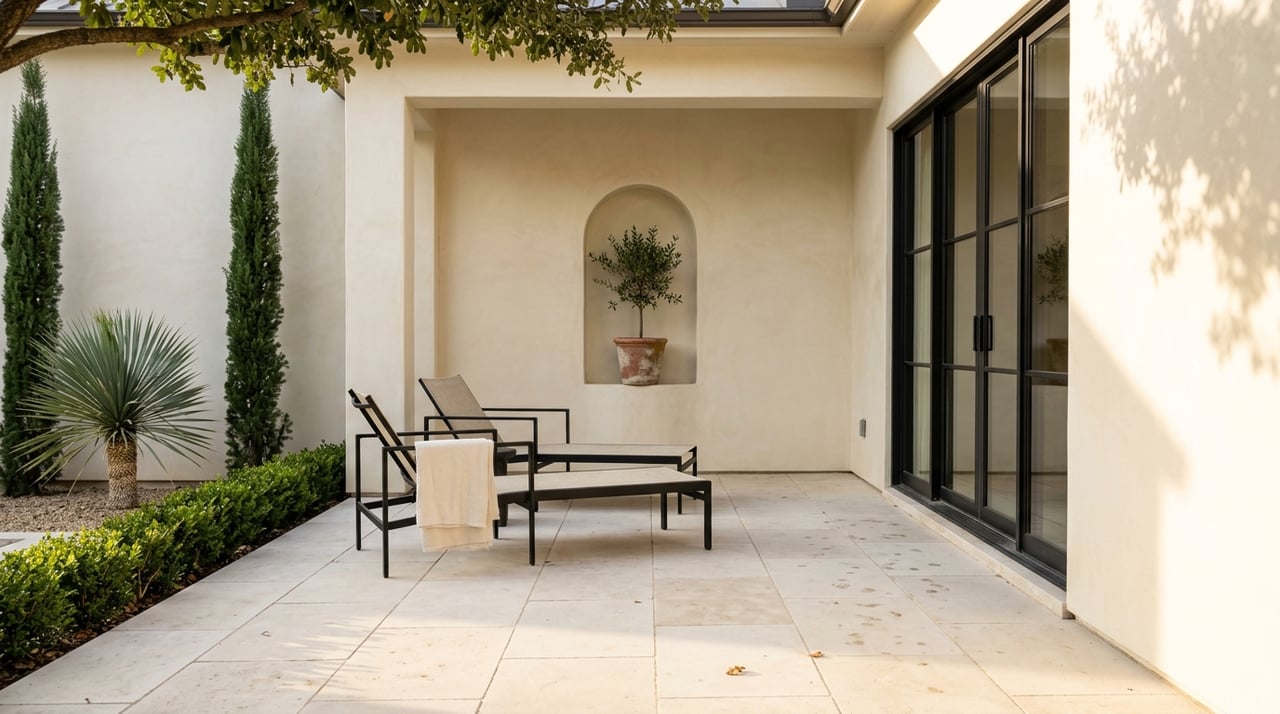
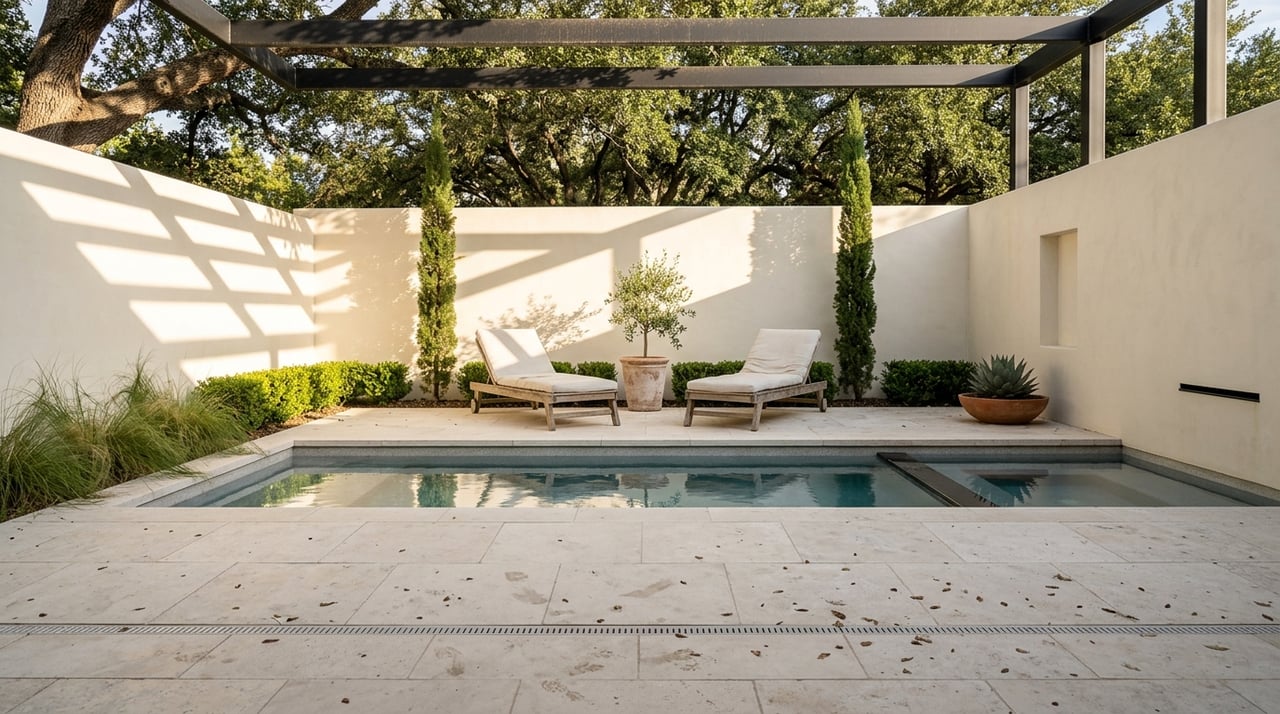
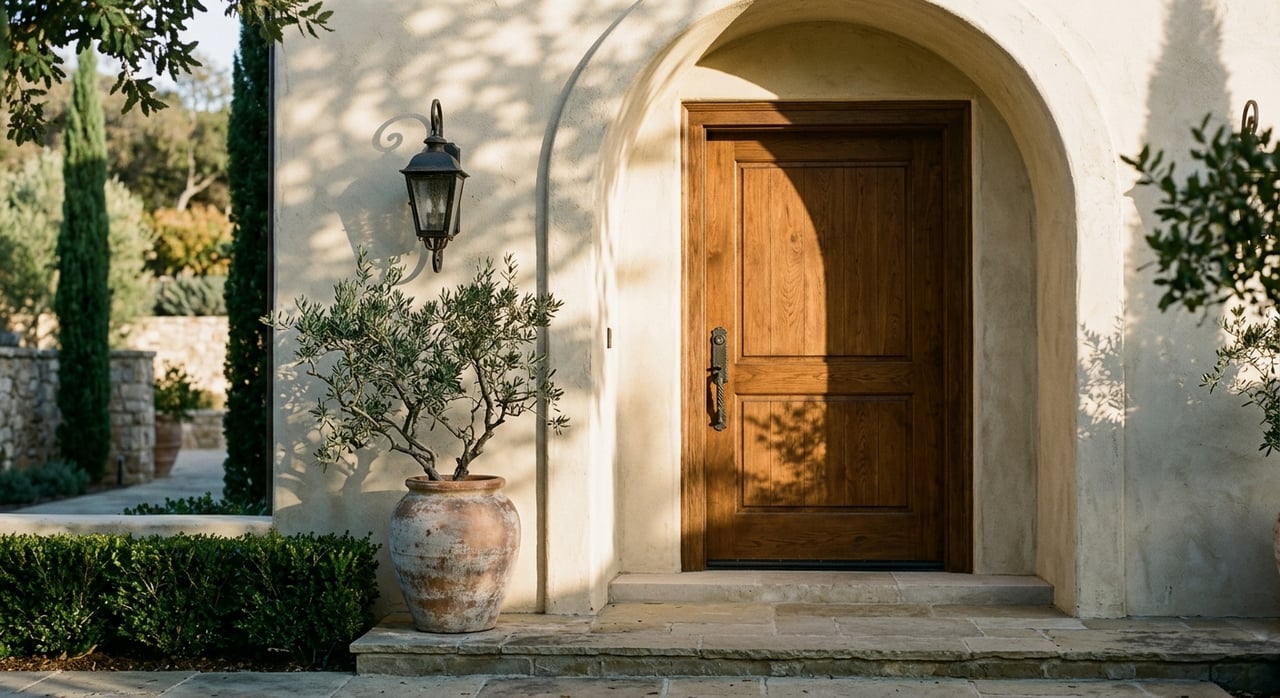
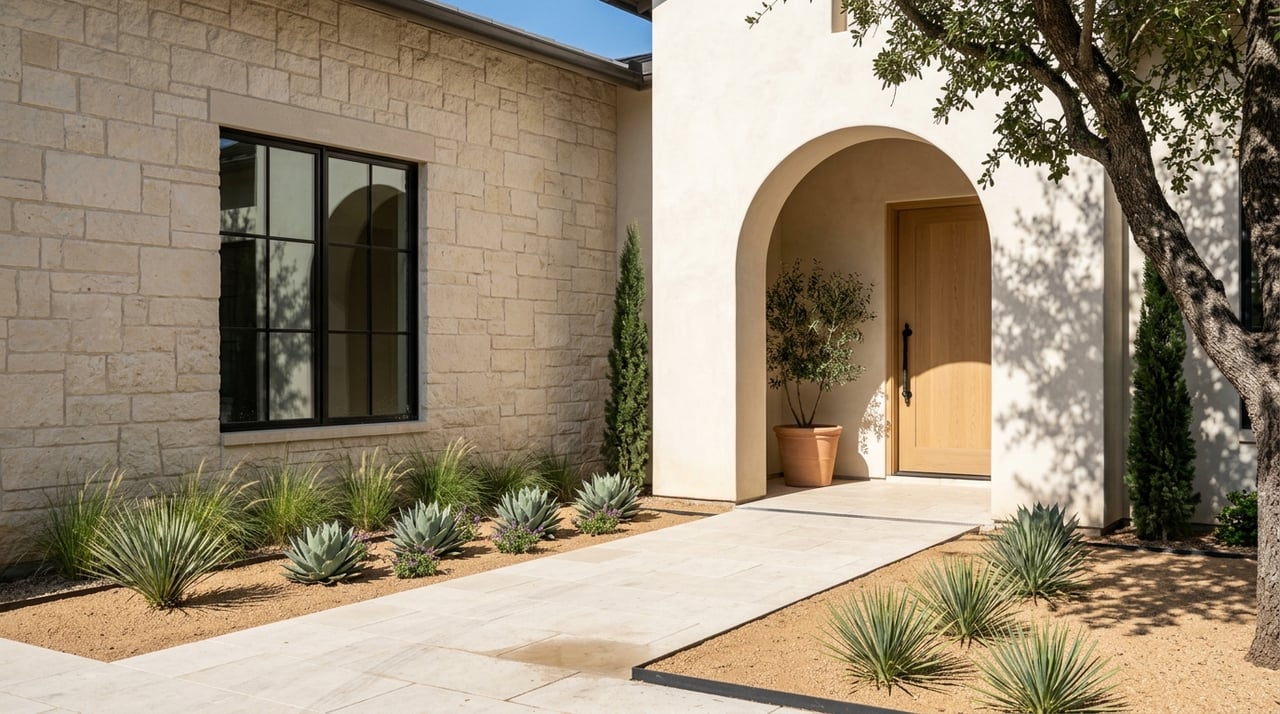
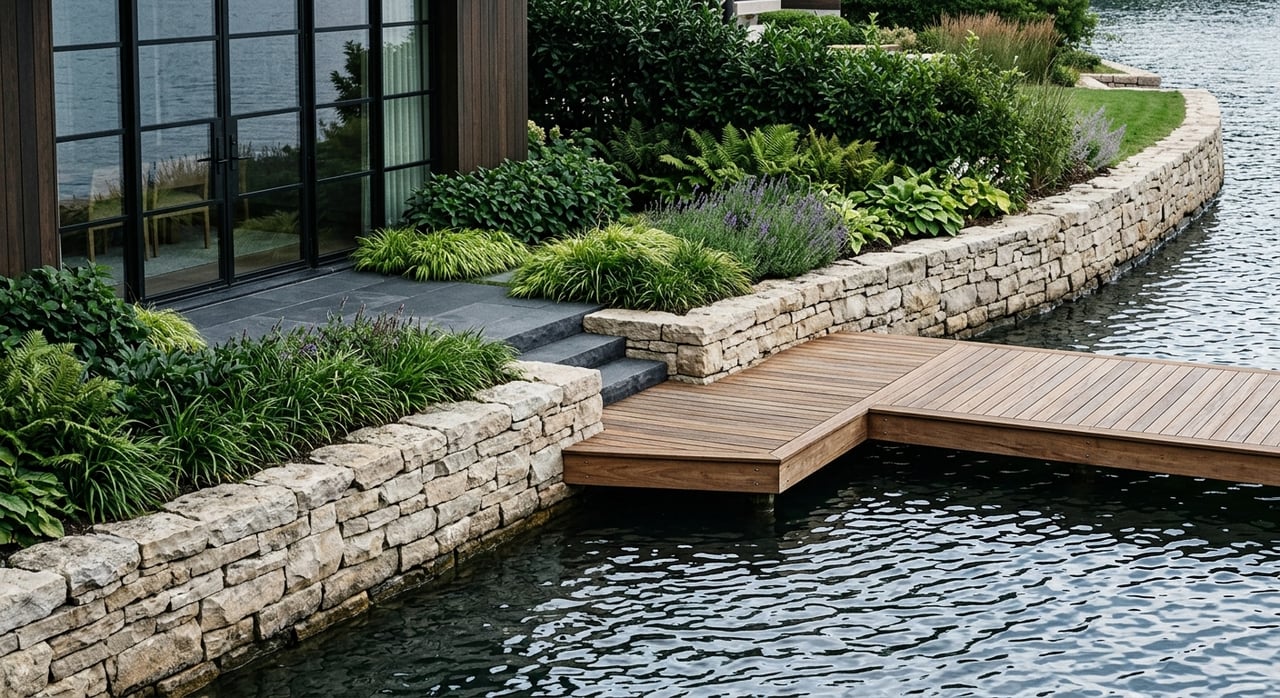
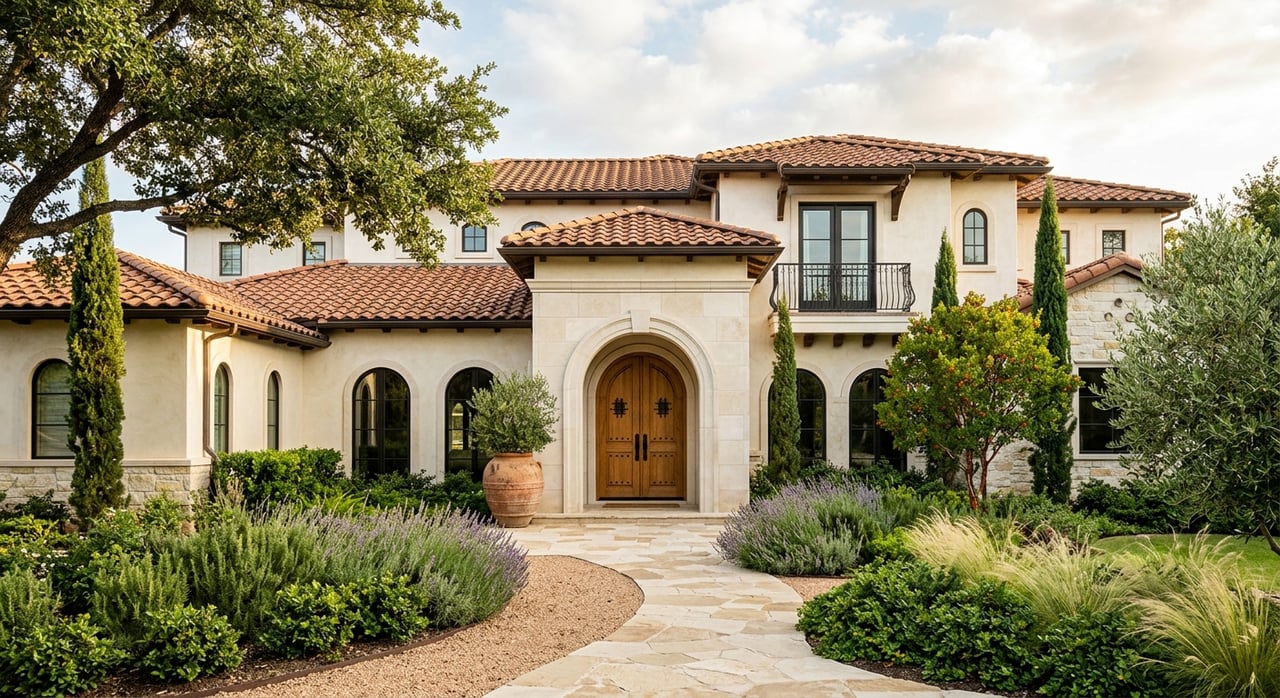
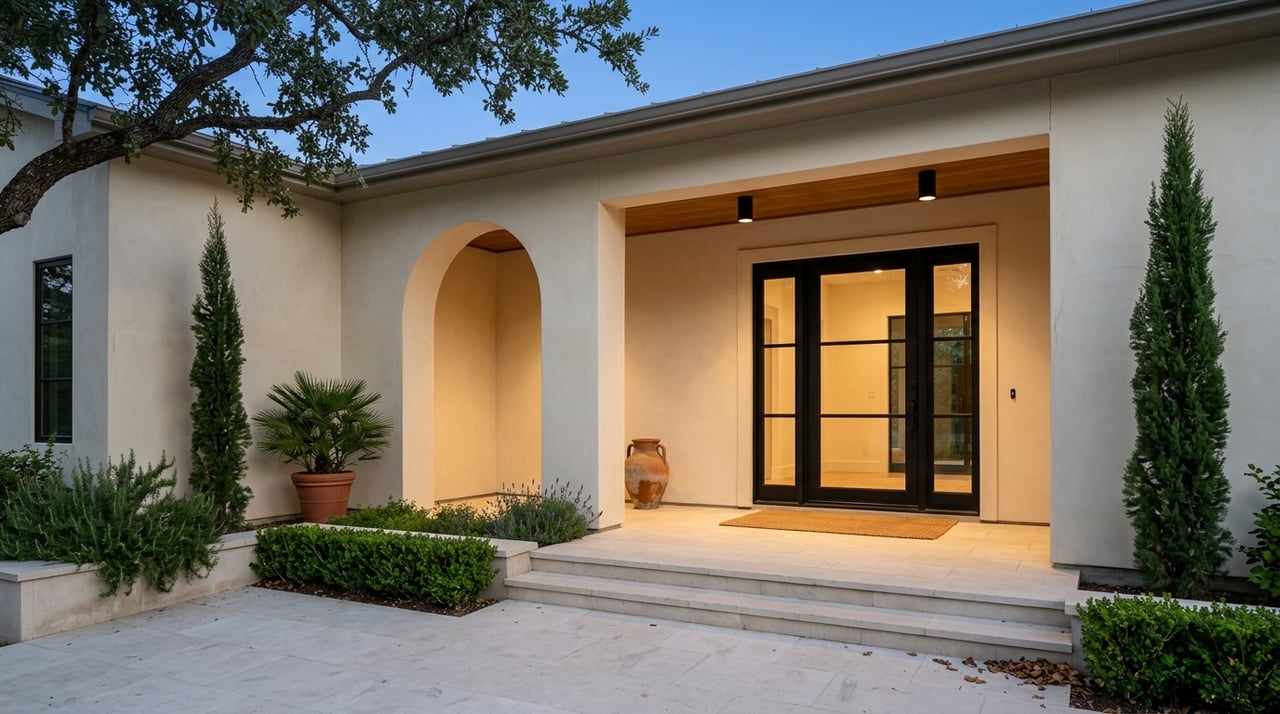
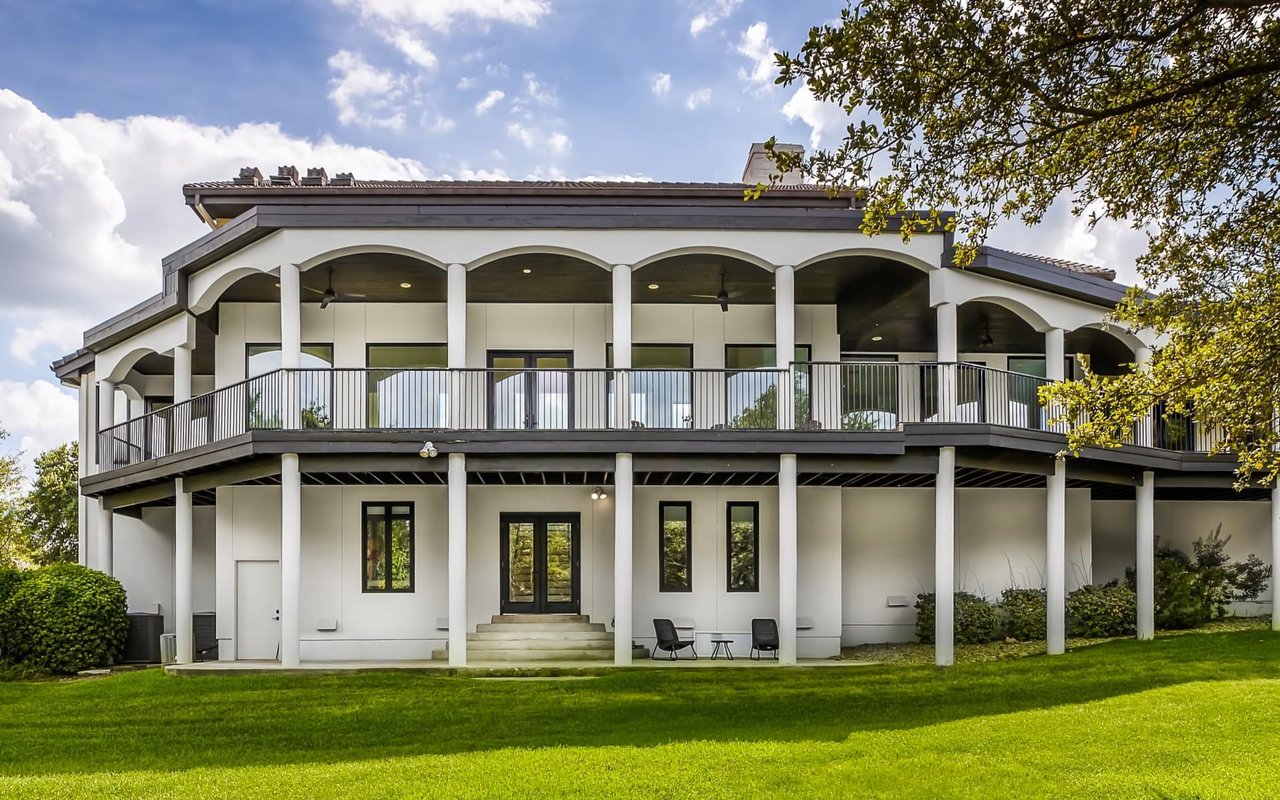
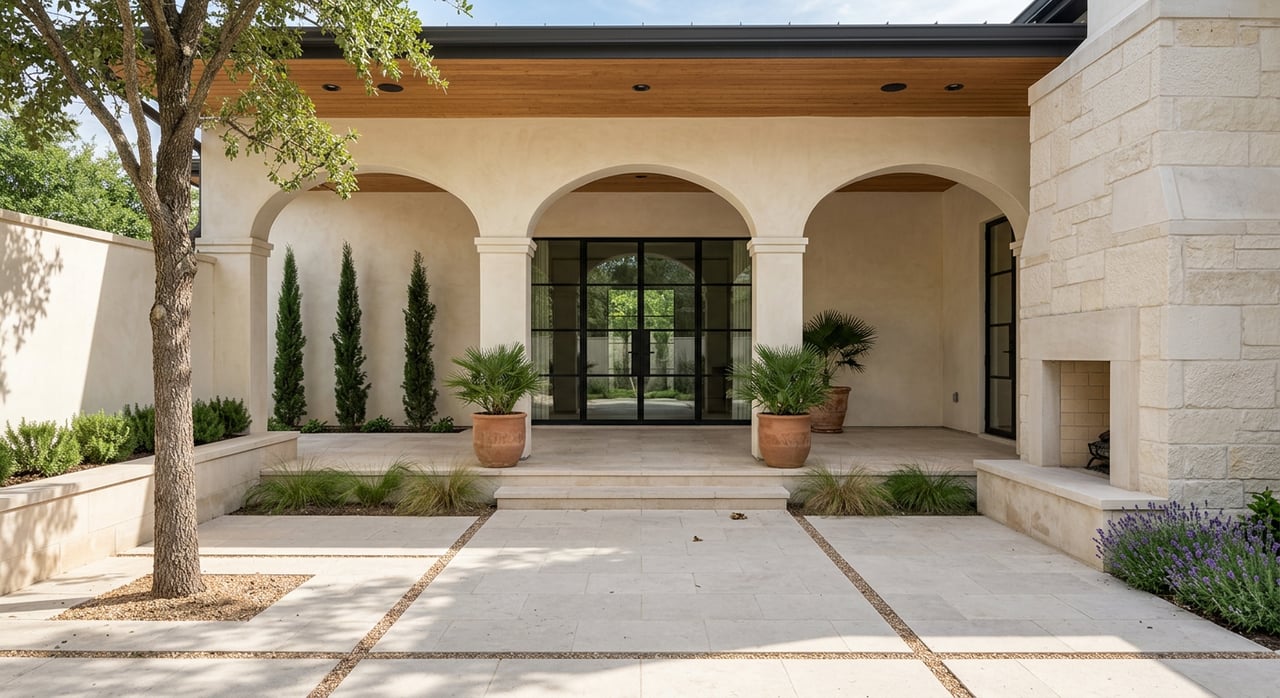
Stone and stucco, deep porches, large overhangs, and standing‑seam metal roofing are proven choices in the Hill Country. They manage sun and weather while aligning with Spanish Oaks’ curated look. Expect the ARC to review exterior materials closely for design cohesion.
Landscape for beauty and water savings
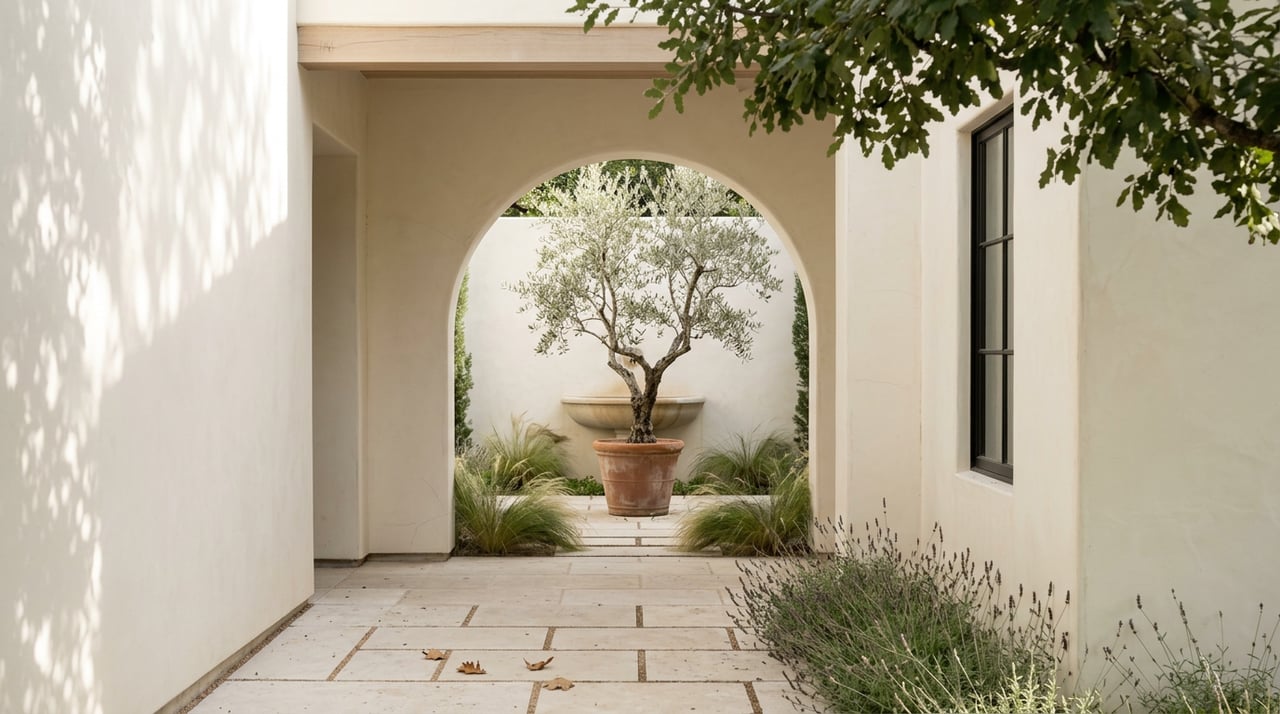
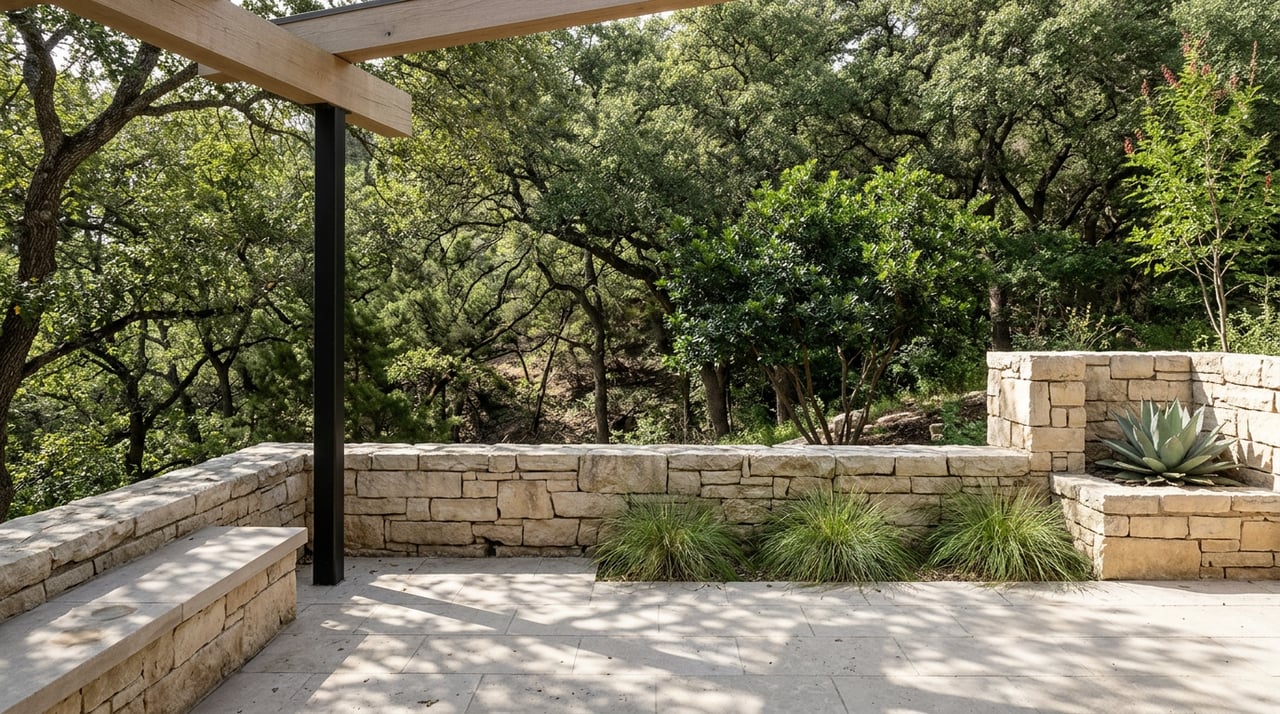
Choose native and adaptive plants, drip irrigation, and mulched beds to cut water use and simplify maintenance. For practical tips on water‑wise choices, the Texas A&M extension highlights water-saving landscape strategies suitable for Central Texas.
Plan for wildfire resilience
Spanish Oaks lies within a broader Wildland‑Urban Interface, so defensible space and home‑hardening are smart moves. Lake Travis Fire Rescue encourages clearing the first 30 feet around your home, selecting non‑combustible roofing, screening vents against embers, and keeping gutters clean. Review their local wildfire readiness guidance and build those details into your plans.
Pre‑construction checklist
- Confirm your lot’s boundaries, setbacks, and build envelope with the developer or HOA, and note any view or drainage easements. Review the Featured Homesites materials for lot specifics.
- Order a site survey and a geotechnical report with borings before you finalize the footprint. This informs foundation design and excavation scope; see the Austin excavation overview.
- Verify water and sewer connections, tap and meter fees, and any MUD assessments with Spanish Oaks Realty via the properties page.
- Request the Architectural Guidelines, ARC submission checklist, and expected review timeline from the developer or HOA. Start at the properties page.
- Confirm your permit path and inspections through the City’s building permits and inspections page and make sure your general contractor is registered.
- Build a realistic schedule using regional benchmarks in this custom-home timeline guide, then pad for specialty finishes and lead times.
- Coordinate gate access, staging, delivery windows, and community rules with the developer before construction begins.
- If your lot is in a regulated watershed, ask your architect and civil engineer to model impervious cover and water-quality controls per Barton Springs Zone standards.
Ready to explore a homesite or map out a build in Spanish Oaks? You deserve a calm, confidential process led by a team that knows this community and the approvals inside and out. For curated lot tours, introductions, and buyer representation tailored to your goals, connect with Dara Allen.
FAQs
What should I budget to build in Spanish Oaks?
- Costs vary by lot slope, rock, utility connections, size, finishes, and ARC requirements. The Hillside release has shown homesites from the high six figures into the low millions in developer materials, and construction costs scale with design and sitework. Confirm current lot pricing on the Featured Homesites page and request guidance through Spanish Oaks Realty.
Do I have to use an approved architect or builder in Spanish Oaks?
- For certain releases, the developer indicates only select architects and builders are approved, and all plans must meet rigorous standards. Start with the Featured Homesites and properties pages to understand the current process.
How long does it take to build a custom home here?
- Regional guidance suggests about 10 to 18 months from design start to move‑in, with 3 to 6 months for design and approvals and 6 to 12 or more for construction depending on complexity. See the Texas custom-home timeline overview for context.
Who issues building permits in Spanish Oaks, Bee Cave area?
- If the lot is within Bee Cave, the City handles permits, plan review, inspections, and contractor registration. Lots outside city limits may follow a different path. Confirm jurisdiction early and review the City’s building permits and inspections page.
Are there special environmental rules when building near Bee Cave and Lake Travis?
- Yes. Parts of the area fall within the Barton Springs Zone, which can trigger impervious-cover limits and water-quality controls. Ask your architect and civil engineer to model these early and review Austin’s Barton Springs Zone provisions.
How can I design for wildfire resilience in the Hill Country?
- Create defensible space, choose non‑combustible roof materials, screen vents, and keep gutters clear. Lake Travis Fire Rescue offers local wildfire readiness guidance you can incorporate into your design and landscape plans.