
Buying a second home on Lake Travis can feel like stepping into a different world of coves, cliffs, and weekend boat parades. If you live out of state, you may be wondering which part of the lake fits your lifestyle, how the rules work, and what it really takes to maintain a waterfront retreat. You are not alone. With a little guidance, you can make confident decisions and enjoy the lake the way you want to. In this guide, you will learn how the lake is laid out, what to check before you buy, and how to plan for boating, permits, taxes, and short‑term rentals. Let’s dive in.
Lake Travis at a glance
Lake Travis is part of the Highland Lakes system, formed by Mansfield Dam and managed for water supply and flood control. For lake operations, water levels, and park context, review the official overview on the Lower Colorado River Authority site in LCRA’s dams and lakes resource.
Travel is simple once you plan for traffic. Most out‑of‑state buyers fly into Austin‑Bergstrom International Airport and reach the Lakeway side of the lake in roughly 30 to 60 minutes depending on the address and time of day. For a sample route, compare timing using AUS to Lakeway drive estimates, then check your door‑to‑door route on a real‑time map.
The lake’s shoreline spans multiple cities and county pockets, so each area can feel distinct. Some zones are resort‑style and active, while others are quiet and rustic. Jurisdictions matter because they affect permits, taxes, utilities, and short‑term rental rules.
Pick your lifestyle zone
Lower basin near Mansfield Dam
Here you find deeper water, dramatic limestone cliffs, and easy park access. Expect scenic runs and quick access to the rest of the lake. This zone is a fit if you want fast access to Austin, frequent boating, and a classic hill‑country backdrop.
Central lake: Lakeway and Rough Hollow
This is the most developed part of the lake with full‑service marinas, lakeside restaurants, resort amenities, and planned neighborhoods. If you like an organized marina scene and want everyday services minutes from home, this area puts convenience first.
Eastern shore and Volente
This shoreline includes popular gathering spots such as Devil’s Cove, known for high weekend boat density in summer. You will find marinas, rental operators, and an energetic, social vibe close to town.
Upper arms and Pace Bend
Move upriver and the lake becomes more rustic, with longer boat runs, coves, and parklands. It suits you if you prefer quieter water, camping options nearby, and a more private setting.
Boating, marinas, and lake etiquette
Where to keep your boat
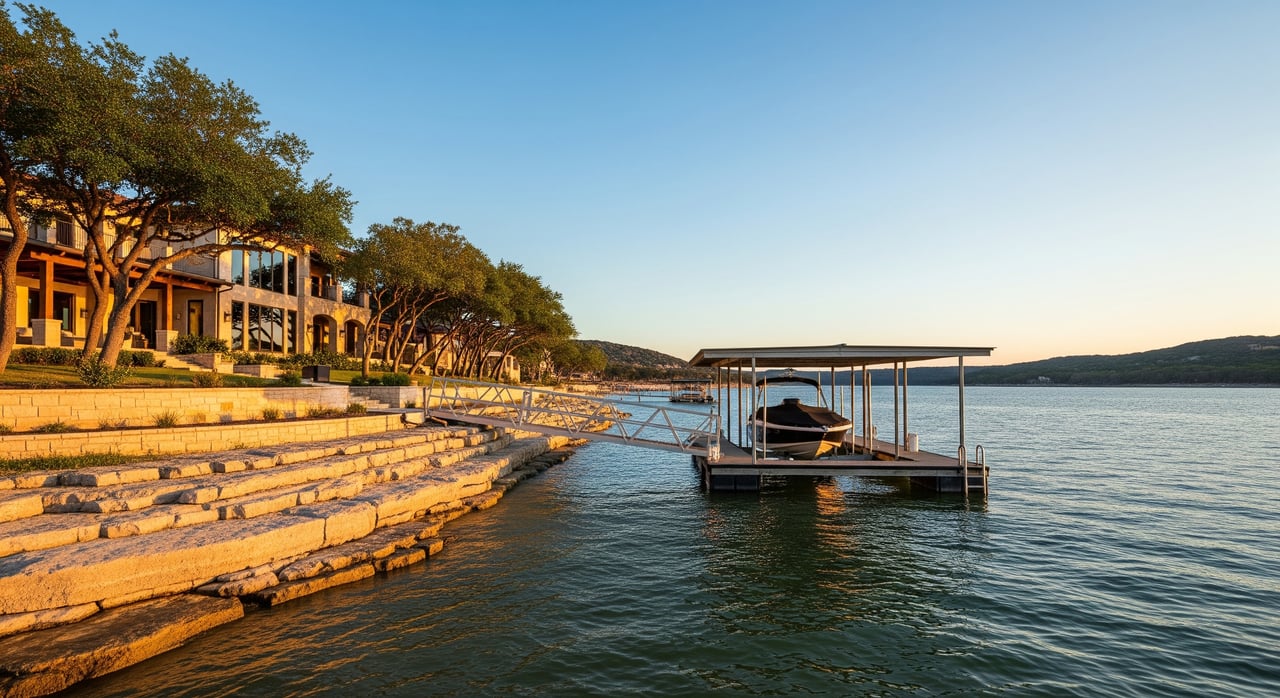
Lake Travis supports many marinas, private slips, and drystack facilities. Slip and storage waitlists change with the season, so call early. As a starting point, review services and contact information through Lakeway Marina, then compare options across the lake.
Ramps and water levels
Public boat ramps and parks provide access, though ramp usability can change when lake levels drop. LCRA and local agencies publish current information. Before you buy a home that depends on trailer launching, verify the nearest ramp’s usability range and consider properties with a slip or a marina that keeps ramps open at varied water levels. For background on lake operations and level management, use LCRA’s dams and lakes resource.
On‑water etiquette
Expect heavy weekend traffic in warm months and holiday weeks, especially around party coves. Get familiar with buoy markers, no‑wake zones, and local norms before you invite a crowd aboard. A visual overview is helpful for newcomers; start with this map‑based primer to Lake Travis to learn key coves and landmarks.
Ownership basics: permits, utilities, and taxes
Multiple jurisdictions affect your plan
Properties can sit inside cities such as Lakeway, Lago Vista, Jonestown, Point Venture, or Volente, or in unincorporated county areas. That impacts zoning, STR rules, permitting steps, and your tax bill. Confirm the exact city and county for any parcel through seller disclosures and local records, and use LCRA’s dams and lakes resource for lake‑management context.
Shoreline work and docks
Larger shoreline changes often require notice to LCRA and, in some cases, permits under the Highland Lakes Watershed Ordinance or the separate dredge and fill rules. During due diligence, ask for recorded dock permits, retaining‑wall details, and any LCRA correspondence. Review LCRA’s process and thresholds in the Highland Lakes Watershed Ordinance page.
Septic systems and water service
Many waterfront homes use on‑site sewage facilities rather than central sewer. Confirm the system type, inspection history, pumping schedule, and county compliance. Water may be municipal in town limits or well‑based in rural pockets. Ask for provider details, connection status, and any conservation requirements. LCRA’s lake resources page offers helpful watershed context: LCRA dams and lakes.
Flood risk and insurance
Flood risk is address specific. If you use a federally backed loan and any structure sits in a FEMA Special Flood Hazard Area, flood insurance will be required. Run an address search on the FEMA Flood Map Service Center and request elevation information to understand risk and potential premiums.
Property taxes and appraisal
Your tax bill combines school district, county, city, emergency services, and special districts, and it may include MUD or PID assessments. Pull current appraisals and notices via the Travis Central Appraisal District toolkit, and request the seller’s recent tax history and any special assessments.
Short‑term rentals: rules and seasonality
State taxes and registration basics
Texas imposes a 6 percent state hotel‑occupancy tax on STR stays. Hosts must register with the Texas Comptroller and remit the tax unless a platform collects under an agreement. Local hotel taxes and city registrations can still apply. Read the Comptroller’s guidance at the Texas hotel‑occupancy tax page.
Local permitting varies by city
Rules differ widely around the lake. As one example, the City of Lakeway requires a special‑use permit for STRs and has placed numeric limits on permits. Review the city’s materials as a reference point in the City of Lakeway STR archive, then verify rules for the specific municipality and HOA tied to your target property.
Seasonality and planning for income
Demand on Lake Travis peaks from late spring through early fall, with the highest rates and occupancy on holiday weekends and prime summer Saturdays. Many owners pivot to personal use or lower occupancy in late fall and winter. For a feel for lake‑season dynamics, skim this Lake Travis boating and visitor overview, then request an address‑level STR market report from a data provider or a local property manager before you underwrite a purchase on rental income.
Local services and everyday ease
You can access healthcare, dining, and shopping within a short drive in many Lake Travis neighborhoods, especially around Lakeway and Bee Cave. The area includes a full‑service hospital and a range of clinics. Many communities are served by Lake Travis ISD; if schools are a factor for you, confirm attendance zones and explore program offerings directly with the district.
Your 10‑minute due‑diligence checklist
- Confirm city, county, school district, emergency services, and any special districts for the parcel. Use seller disclosures, public records, and the LCRA dams and lakes resource for lake context.
- Pull the FEMA flood map for the address and request any elevation documents. Start at the FEMA Flood Map Service Center.
- Ask the seller for recorded dock and shoreline permits, prior LCRA correspondence, and a log of any dredge, fill, or retaining‑wall work. Review the Highland Lakes Watershed Ordinance page.
- Download tax history and appraisal data, and confirm any MUD, PID, or HOA assessments through the Travis Central Appraisal District toolkit.
- Verify water and sewer service type, and ask about conservation requirements or septic maintenance records. See LCRA dams and lakes for watershed context.
- If you plan an STR, confirm municipal permitting and local hotel‑tax obligations. Read the Texas hotel‑occupancy tax guidance and check city rules such as the Lakeway STR archive.
- Call nearby marinas to confirm slip or drystack availability and waitlists. As a reference point, review services at Lakeway Marina.
Next steps
If you are narrowing in on Lake Travis, the smartest move is to match your lifestyle to the right shoreline, then confirm the rules and services that support it. A curated shortlist, dock and permit history, STR fit, and trusted vendor introductions will save you time and protect your investment. To explore on‑market and private options, connect with Dara Allen for discreet buyer representation and Lake Travis expertise.
FAQs
How far is Lake Travis from Austin and AUS?
- Most Lake Travis neighborhoods sit about 30 to 60 minutes from downtown Austin and AUS depending on the address and traffic. Use a real‑time map, and compare routing with AUS to Lakeway drive estimates.
Can I keep a boat on Lake Travis if I buy a second home?
- Yes, through a private dock where allowed or a nearby marina. Confirm any recorded dock permits and shoreline work with the seller, and check slip or drystack availability at marinas such as Lakeway Marina.
Do Lake Travis homes require flood insurance?
- It depends on the property’s flood zone and your loan type. Run the address on the FEMA Flood Map Service Center. If a structure is in a Special Flood Hazard Area and you use a federally backed mortgage, the lender will require flood insurance.
Can I operate a short‑term rental on Lake Travis?
- Possibly, depending on city and HOA rules. Texas imposes a 6 percent state hotel‑occupancy tax and many cities require permits. Review the Texas HOT guidance and, as an example, the City of Lakeway STR archive, then verify the rules for your specific address.
What maintenance surprises should out‑of‑state owners plan for?
- Plan for dock upkeep or slip fees, shoreline stabilization, septic inspections where applicable, HVAC servicing, and landscaping suited to lake conditions. Check permit history for docks and shoreline work, and align seasonal tasks with LCRA’s Highland Lakes Watershed Ordinance page guidance.