If you plan to sell your Lake Travis estate this summer, timing and presentation matter more than many owners realize. Waterfront homes can make a powerful first impression, but on Lake Travis, changing water levels, summer heat, and dock condition all shape how buyers experience your property. With the right prep plan, you can present your home with clarity, confidence, and polish. Let’s dive in.
Why Lake Travis prep is different
Preparing a Lake Travis property is not the same as preparing an inland home. The lake is a Highland Lakes reservoir in Travis and Burnet counties, and official sources describe it as roughly 18,600 to 19,000 acres depending on the agency and measurement used. Just as important, the Lower Colorado River Authority notes that Lake Travis is not a constant-level lake, so water levels can shift significantly during drought or rise quickly during flood conditions.
That means buyers are not only evaluating your home. They are also noticing the shoreline, the dock, the access to the water, and how well the property appears maintained in changing conditions. For a luxury waterfront listing, that visual story matters.
Start before peak summer heat
Your prep calendar should work with local weather, not against it. According to NOAA climate normals for Austin-Camp Mabry, average highs climb from 86.9°F in May to 93.2°F in June, 96.6°F in July, and 97.8°F in August.
That pattern supports getting heavy outdoor work done in late spring or very early summer. Pressure washing, landscape cleanup, dock service, and exterior touch-ups are typically easier to complete before the hottest stretch of the season. It also helps you avoid last-minute rushing when photography and showings need to begin.
Focus on the waterfront first
For many Lake Travis buyers, the waterfront is the headline feature. If the shoreline, dock, or water-access areas look neglected, buyers may assume other maintenance has also been deferred. That is why waterfront prep should move to the top of your to-do list.
The LCRA states that most shoreline around the Highland Lakes is privately owned, and it does not remove debris from private property. In practical terms, that means you should clear loose items, remove visible debris, and make the lake edge feel intentional and well cared for before your home goes live.
Clean up the shoreline
A simple shoreline refresh can have a big visual payoff. Buyers respond to clean sightlines and a waterfront edge that feels usable rather than forgotten.
Before photos or showings, consider these priorities:
- Remove loose debris and storm-washed items
- Clear stacked or unused outdoor equipment
- Organize water toys, seating, and accessories
- Trim back overgrowth that blocks views or access
- Make paths to the dock or shoreline look safe and maintained
Make dock condition a top priority
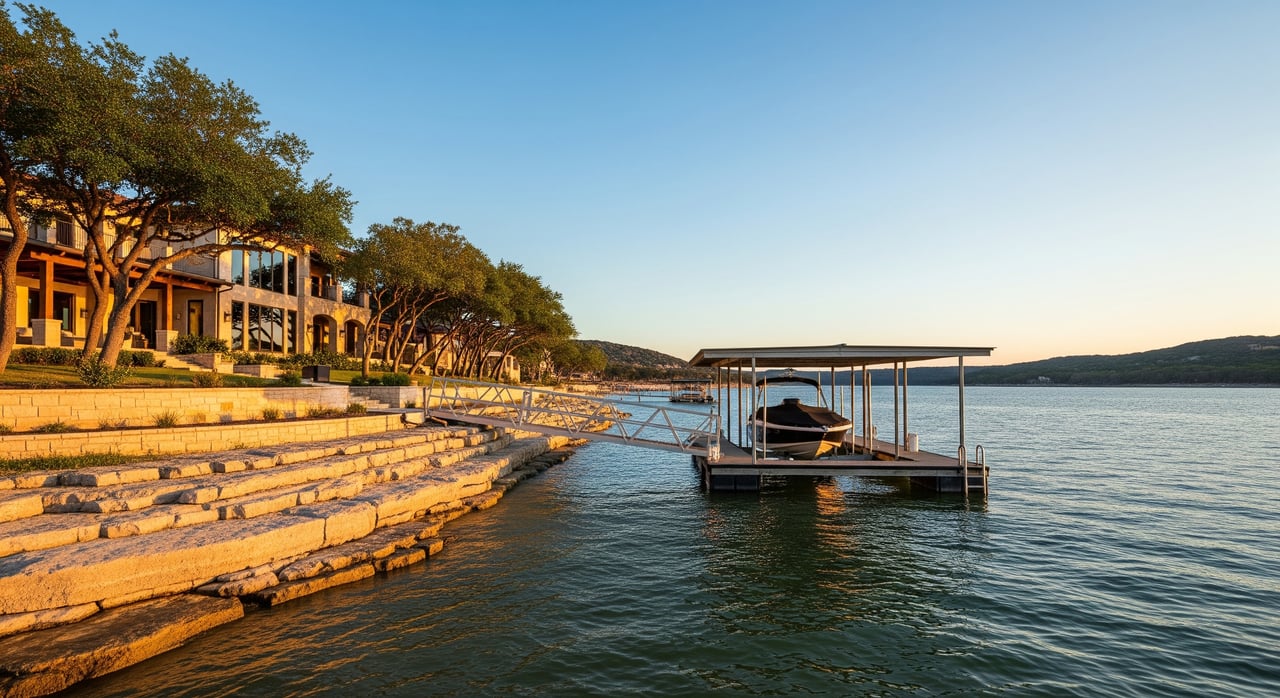
On Lake Travis, dock condition is not just cosmetic. It is one of the clearest signals of how a waterfront property has been cared for over time.
The LCRA requires residential boat docks to meet safety standards for items such as flotation, lighting, access, anchoring, and distance from shore. It also states that a dock is considered dilapidated if it is submerged, not floating upright, in disrepair, or otherwise unsafe. If your dock looks worn, unstable, or visibly outdated, it can undermine the overall presentation of an otherwise exceptional home.
Check visible safety and maintenance items
The LCRA’s boat dock safety guidance offers a practical pre-listing checklist. For sellers, this is one of the smartest places to invest time before marketing begins.
Focus on these items early:
- Inspect the structure for visible wear
- Replace frayed or corroded cables
- Check anchors and make sure the dock is properly secured
- Confirm flotation is intact and foam is enclosed
- Remove unsecured chairs, toys, or loose accessories
- Make sure dock lighting is in place and functional
If you are a part-time owner, this step is especially important. Floating docks are more vulnerable during flood conditions, and the LCRA recommends keeping them close to shore and consulting a qualified dock contractor when needed.
Verify compliance before making changes
Luxury sellers sometimes want to refresh shoreline features right before listing, but water-adjacent improvements are not an area for guesswork. If you are considering substantial dock or shoreline changes, verify the rules before the work begins.
The LCRA oversees dock regulations on Lake Travis, and local government or HOA requirements may be more restrictive. The agency also notes that dock owners must keep docks over property they own, lease, or control. If there is any uncertainty, clearing it up before your listing launches can help avoid questions during buyer due diligence.
Gather septic and property records early
If your home uses an on-site sewage facility, do not wait until a buyer is under contract to start looking for documentation. Records tied to septic systems, prior inspections, or permits are worth organizing before you go to market.
The LCRA regulates on-site sewage facilities near Lake Travis and the Highland Lakes. For sellers, the practical takeaway is simple: gather whatever records you have early, so you can respond quickly and reduce the chance of avoidable surprises.
Refresh water-access equipment
Buyers notice the details around the waterline. Boat lifts, dock accessories, and hard surfaces near the lake can quickly show buildup and wear, especially on a busy waterfront property.
The Texas Parks and Wildlife Department reports that zebra mussels are established in Lake Travis. If you keep a boat, lift, or accessories at the property, remove visible buildup and make sure those surfaces look maintained. A cleaner presentation supports the impression of a well-managed estate.
If you plan to include a boat or personal watercraft in your marketing images, it also helps to follow TPWD guidance to clean, drain, and dry watercraft and remove visible plants and animals. That keeps the staging polished and aligned with current best practices.
Stage for views and outdoor living
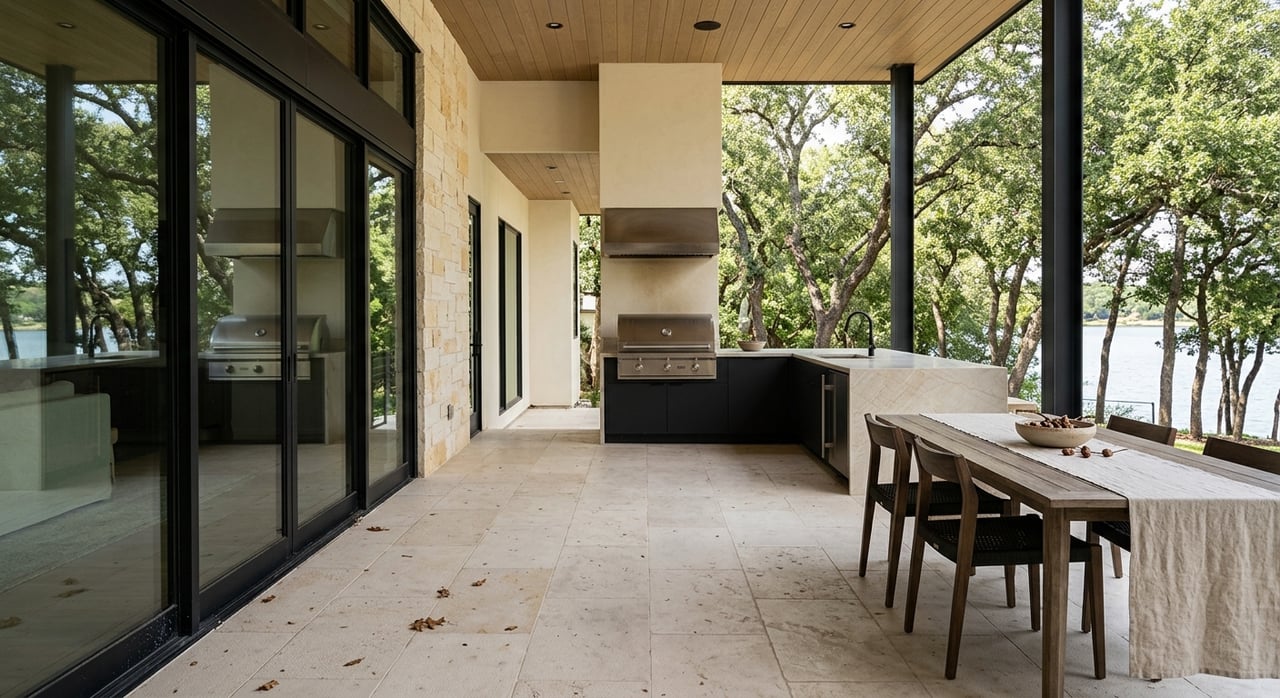
Lake Travis homes tend to photograph best when the presentation emphasizes the transition from indoor living to outdoor entertaining. According to TPWD’s reservoir description, Lake Travis is steep-sided with relatively few shallow coves and shoal areas. In listing terms, that often means your strongest visual assets are clean sightlines, outdoor terraces, covered patios, pool areas, and a polished path to the dock.
As you prepare, simplify and refine the exterior. You want buyers to notice the architecture, the waterfront orientation, and the livability of the outdoor spaces without visual clutter getting in the way.
What to emphasize in staging
For many Lake Travis estates, these features deserve extra attention before photos:
- Decks and patios with a clear furniture layout
- Outdoor dining and lounge areas
- Pool terraces and surrounding hardscape
- Sightlines from main living spaces to the water
- Entry sequence from the home to the dock or shoreline
Choose your photo day carefully
Even a beautifully prepared property can lose momentum if photos are taken on the wrong day. Lake appearance, weather, and light quality all affect the final result.
NOAA normals support finishing prep work before the hottest part of summer and reserving photography for calmer, drier windows. The LCRA also notes that after heavy rain, bacteria levels may be elevated and the water can be turbid with floating debris. If possible, avoid scheduling photography right after a storm.
Morning and late-day shoots are often the most practical fit for Lake Travis in summer. They are generally more comfortable, and they often produce softer light and calmer water reflections that help a waterfront home look its best.
Present the lake honestly
One of the biggest mistakes a waterfront seller can make is trying to market around the realities of Lake Travis rather than addressing them well. The lake was designed to hold floodwaters, and conditions can change over time.
A stronger strategy is to present your property as a well-maintained waterfront asset that is prepared for those changing conditions. When your shoreline is clean, your dock is secure, and your records are organized, buyers see stewardship instead of uncertainty.
A smart summer launch starts with details
Summer can be an excellent time to bring a Lake Travis estate to market, but the homes that stand out usually look effortless because the prep was not. They are cleaned, repaired, documented, and photographed with intention.
If you are preparing to sell on Lake Travis, a tailored strategy can make all the difference in how your property is positioned and perceived. To plan a discreet, high-touch launch for your waterfront home, connect with Dara Allen.
FAQs
What should sellers fix first before listing a Lake Travis waterfront home?
- Start with the most visible and functional items: shoreline cleanup, dock condition, exterior maintenance, and any safety-related repairs.
What dock issues matter most when selling a Lake Travis estate?
- Buyers will notice whether the dock appears secure, upright, well anchored, properly lit, and free of visible disrepair or loose items.
What should sellers know about Lake Travis water levels before marketing a home?
- Lake Travis is not a constant-level lake, so your listing should present shoreline access and dock conditions clearly and honestly based on current site conditions.
What records should Lake Travis homeowners gather before listing?
- If your home has septic or other regulated waterfront features, gather available permits, inspections, and related property records early.
When is the best time to photograph a Lake Travis home for the summer market?
- Aim for a calm, dry day after repairs and cleanup are finished, and try to avoid the day after heavy rain when water clarity and debris may affect the view.