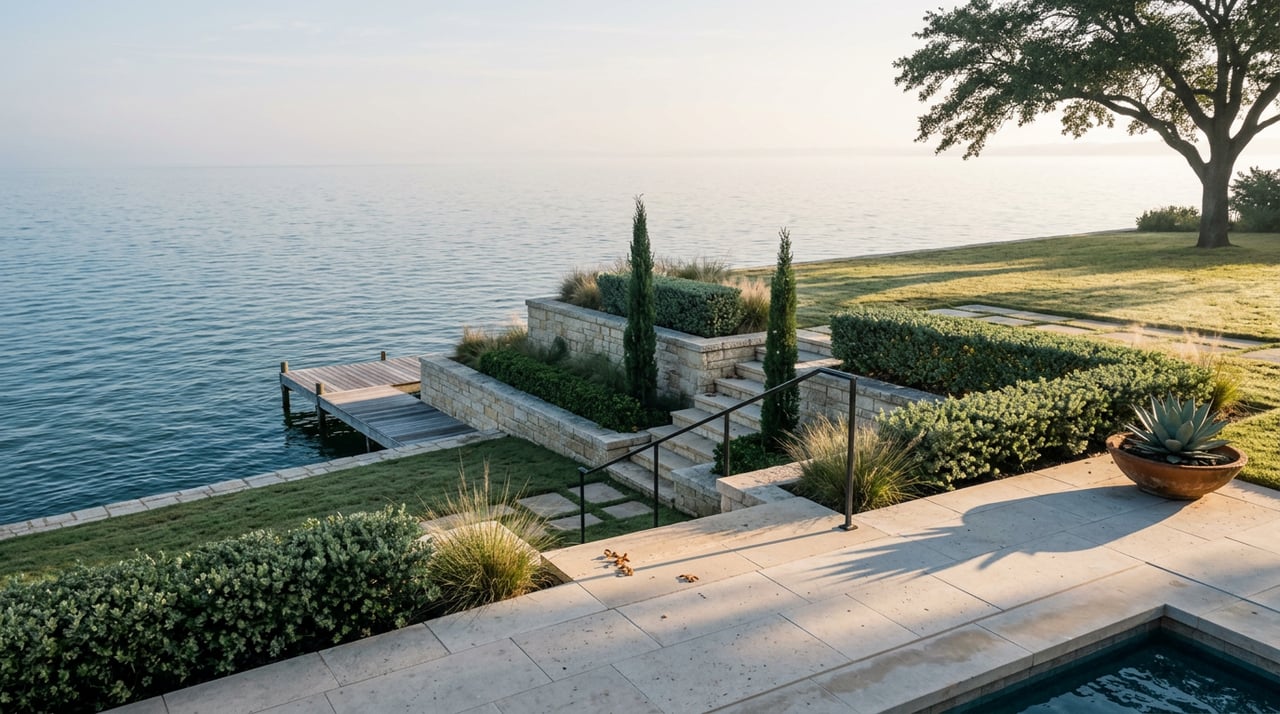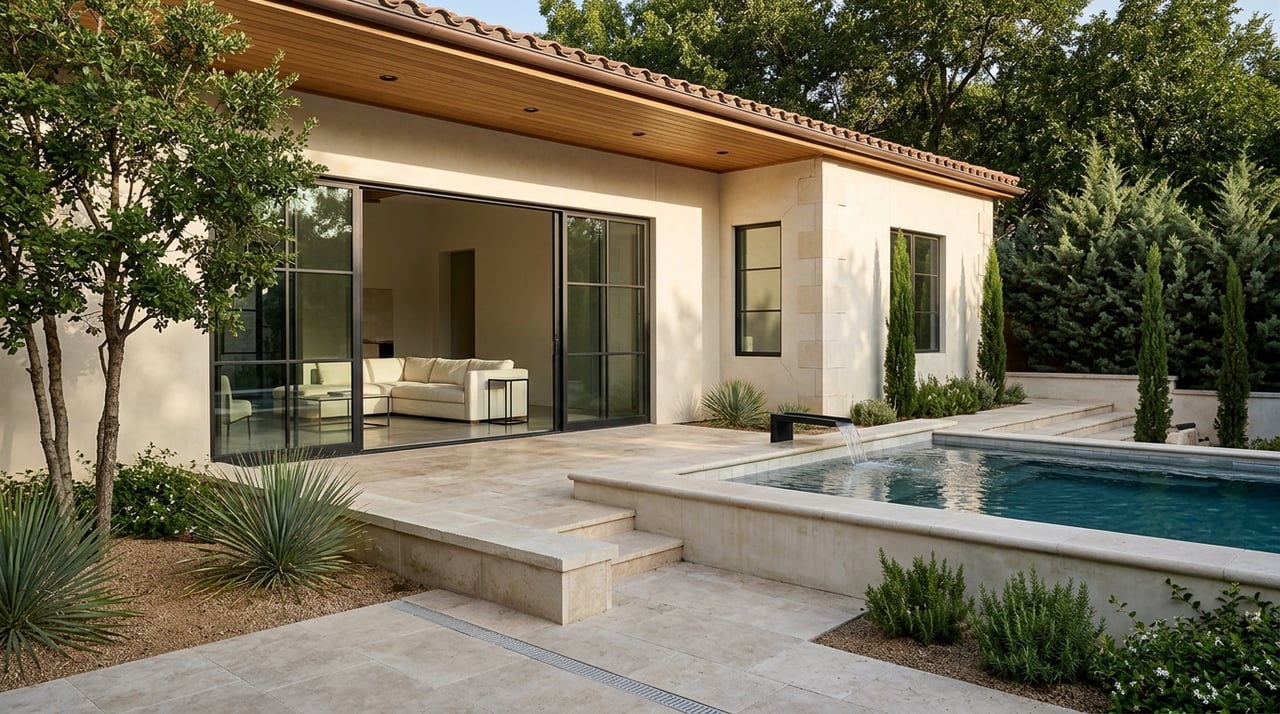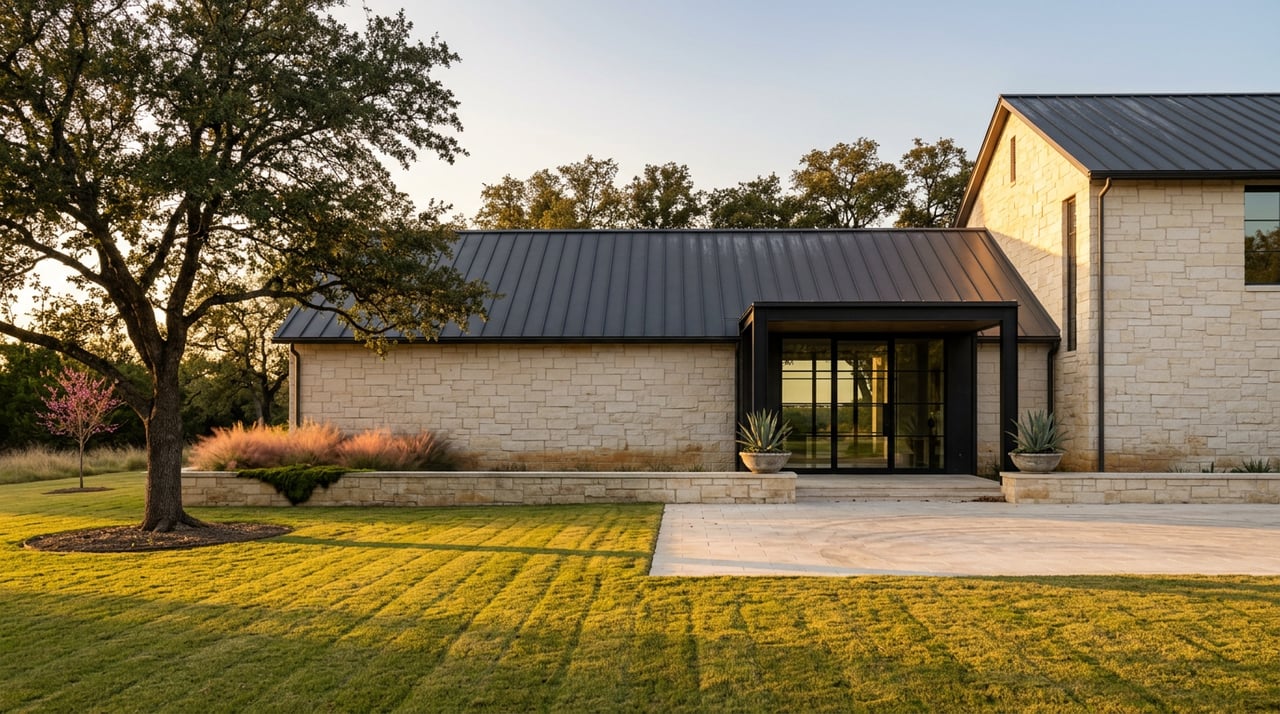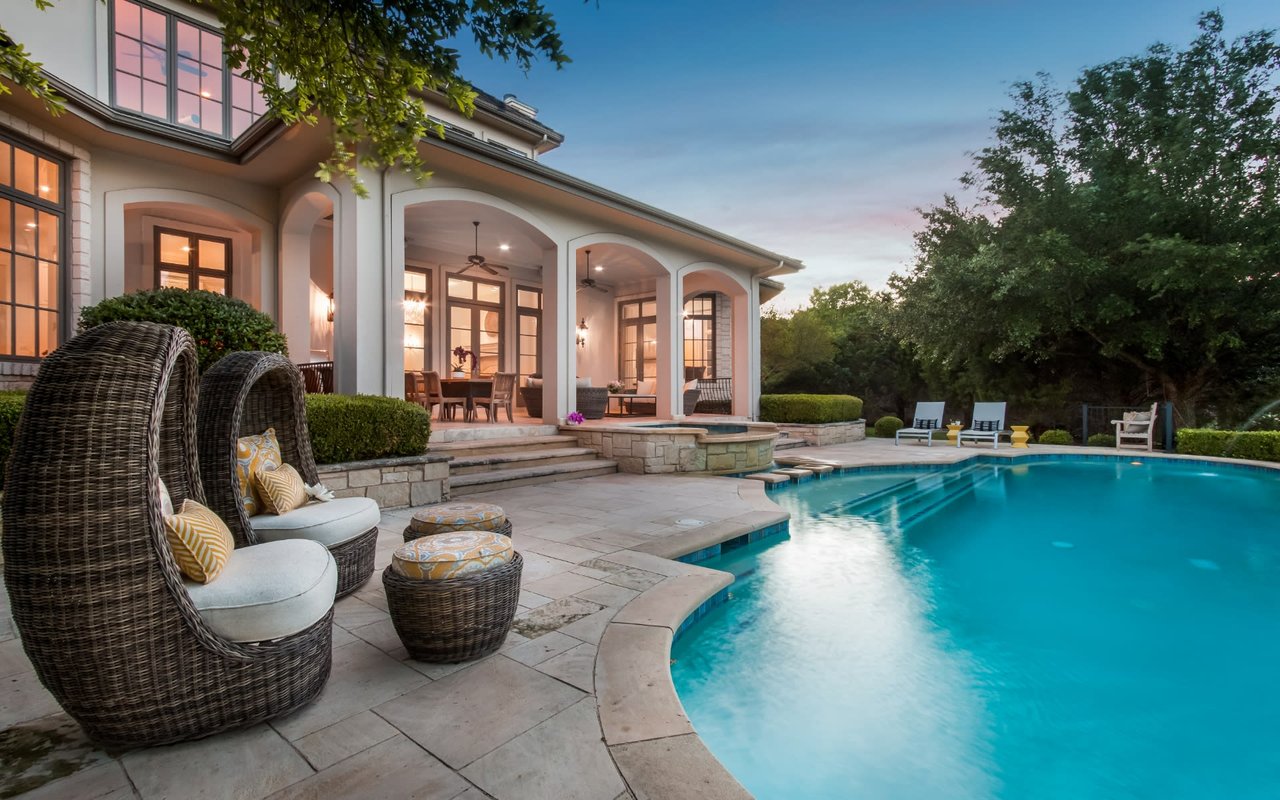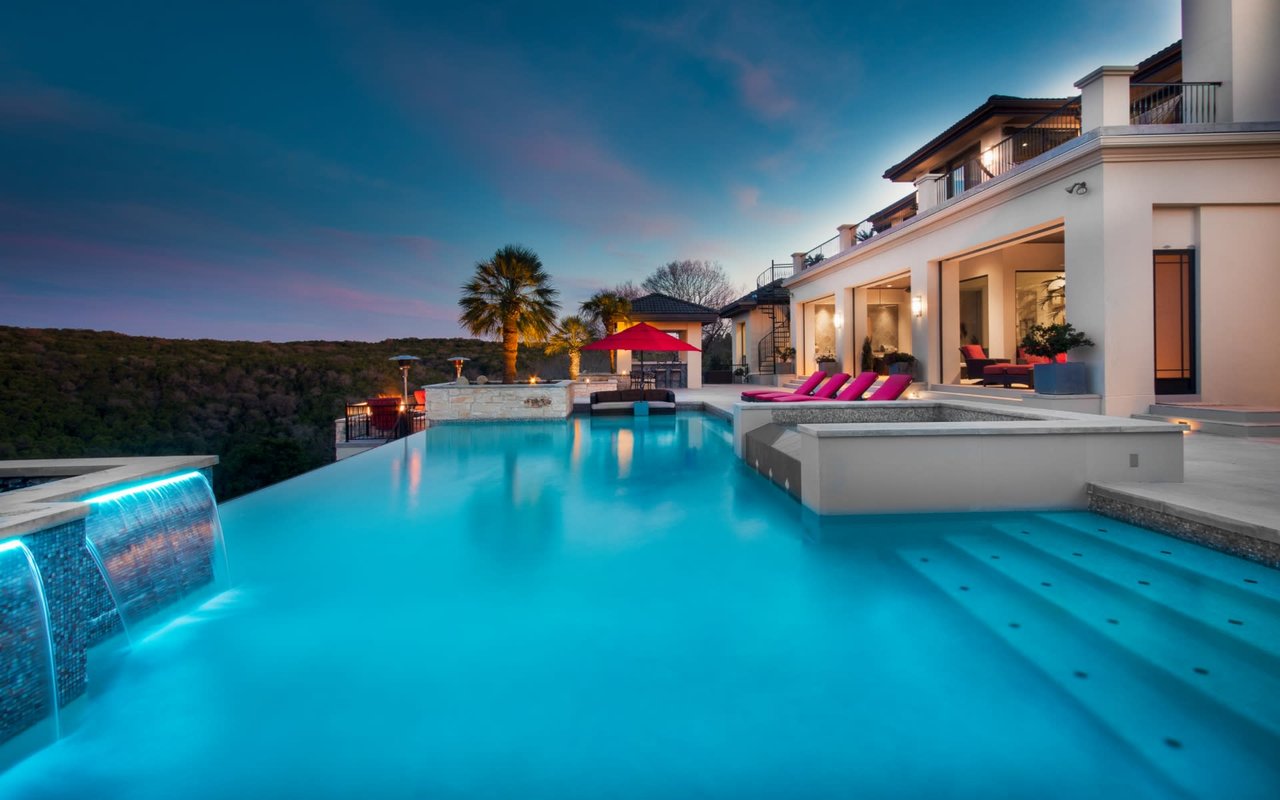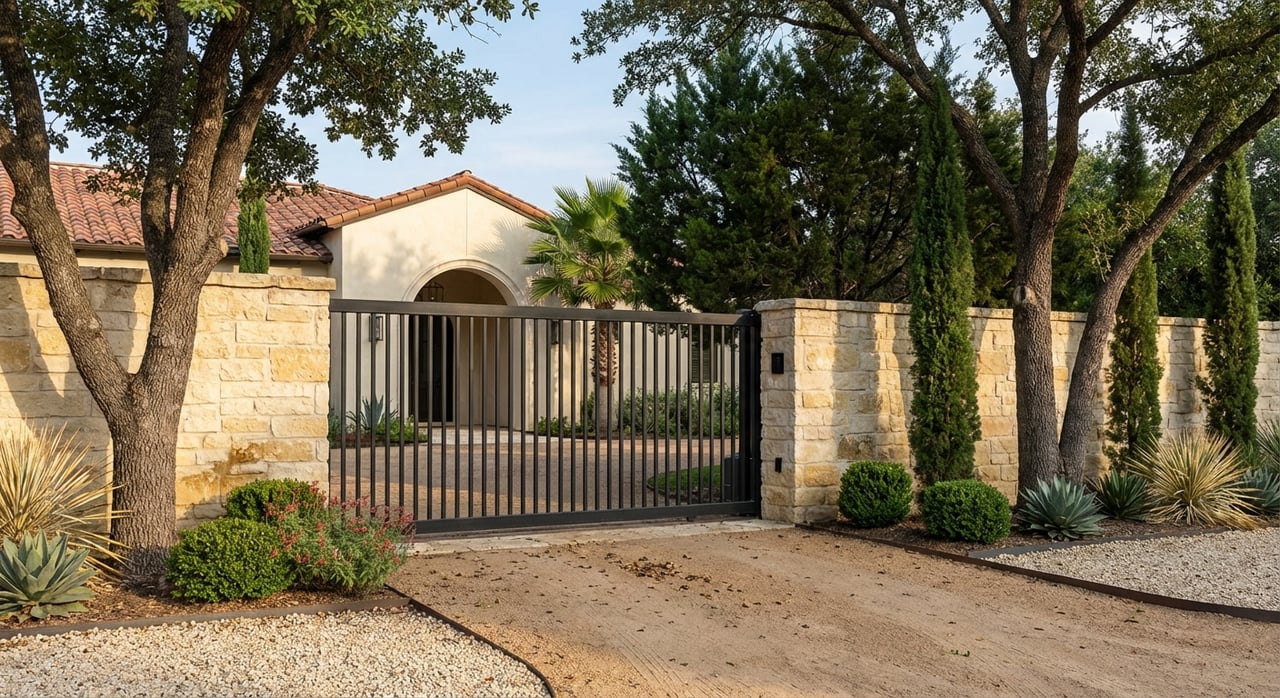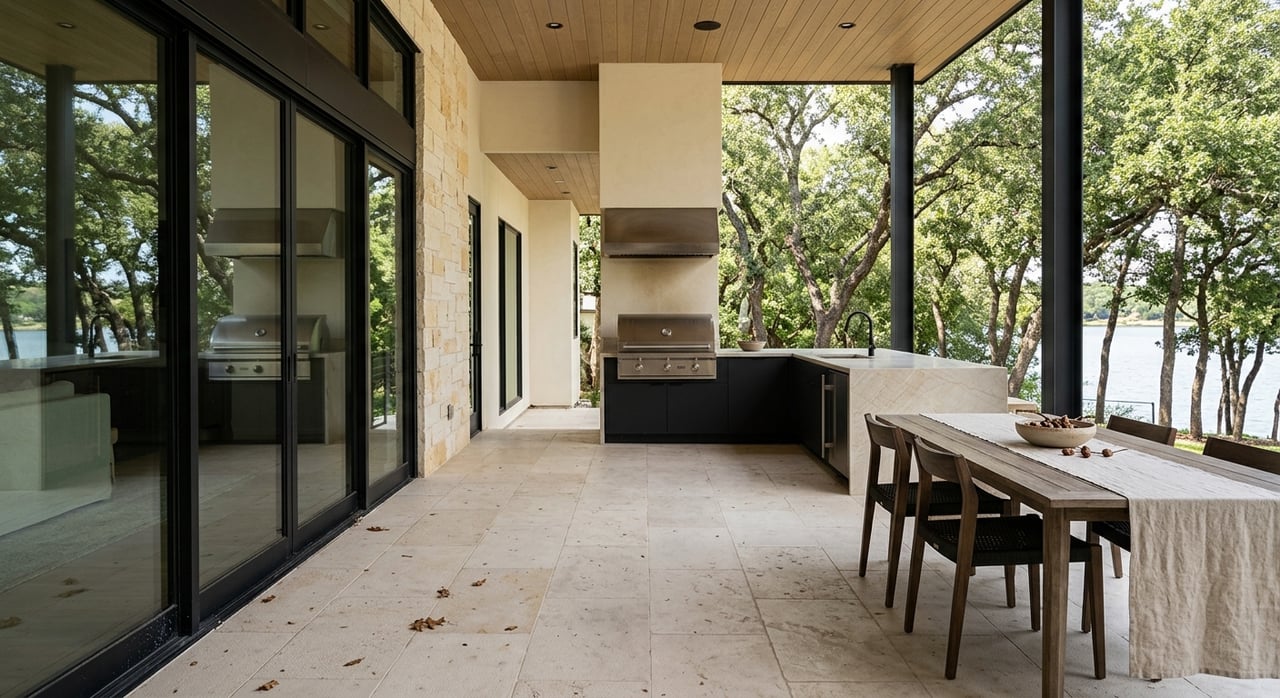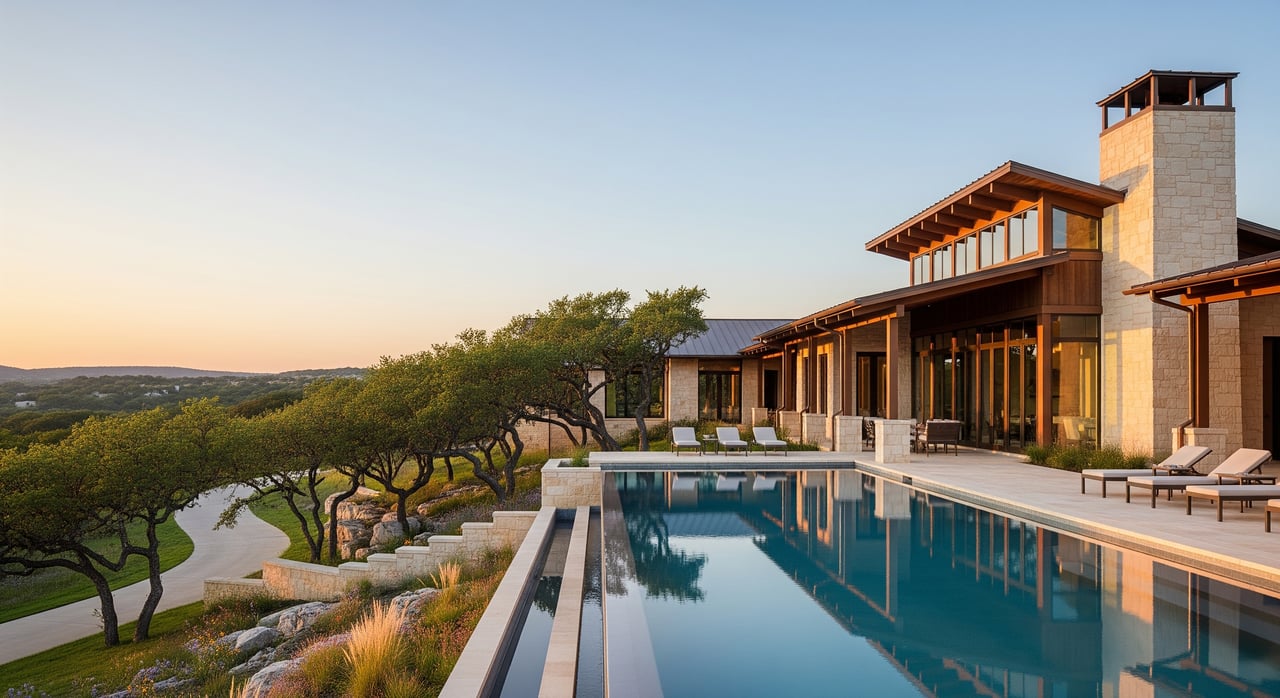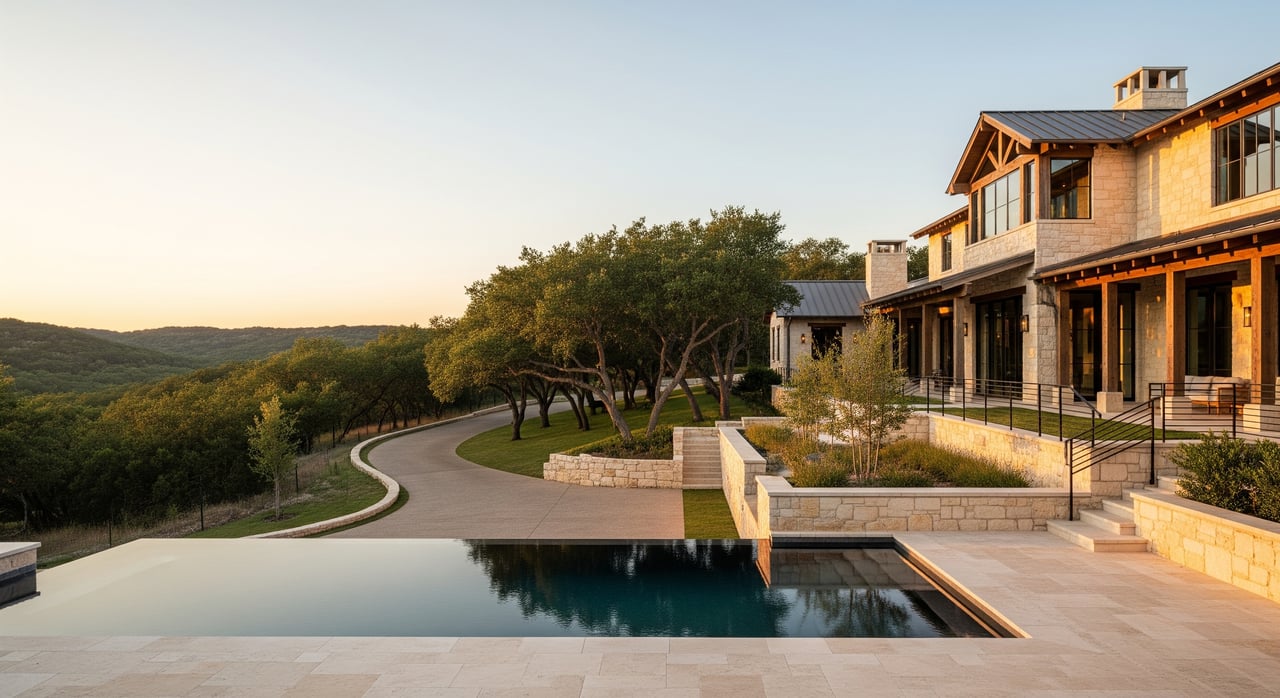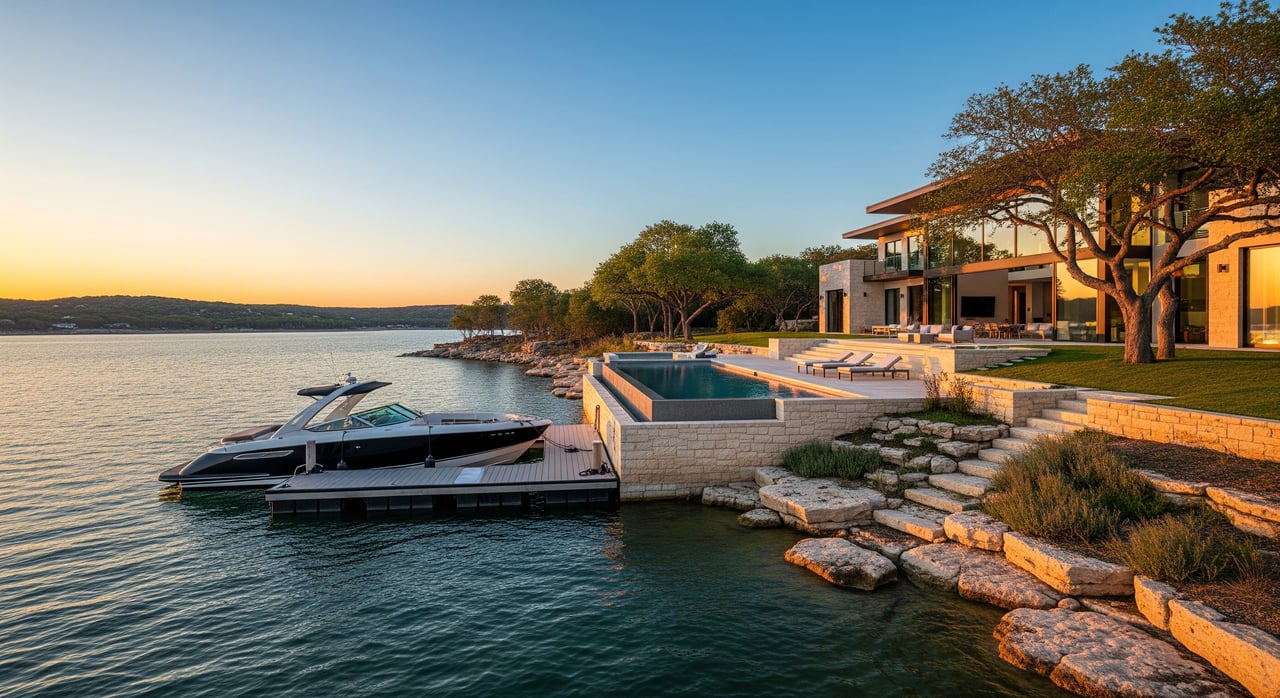

You can fall in love with a home, then discover the lot steals the show. In Barton Creek, sun, views, and privacy define how you live every day, from cool morning coffee on the patio to summer sunsets by the pool. If you want the right light without the heat, the view without the noise, and privacy without surprise costs, you need a clear way to compare lots. This guide gives you practical steps and a simple scorecard to make a confident choice. Let’s dive in.
Orientation and sun strategy
How your home faces the sun shapes comfort, energy use, and outdoor living.
- East-facing exposure: Warm morning light with cooler afternoons. Great for breakfast spaces and patios you plan to use after work in summer.
- South-facing exposure: The most daylight overall. Helpful in winter, but you will want shading and overhangs to manage summer sun.
- West-facing exposure: Strong late-afternoon sun and glare in Austin summers. Plan for deep shade, vertical screens, or landscape buffers if views point west.
- North-facing exposure: Soft, consistent daylight with minimal heat gain. Helpful for studios and living areas where you want stable light.
Practical moves in Barton Creek:
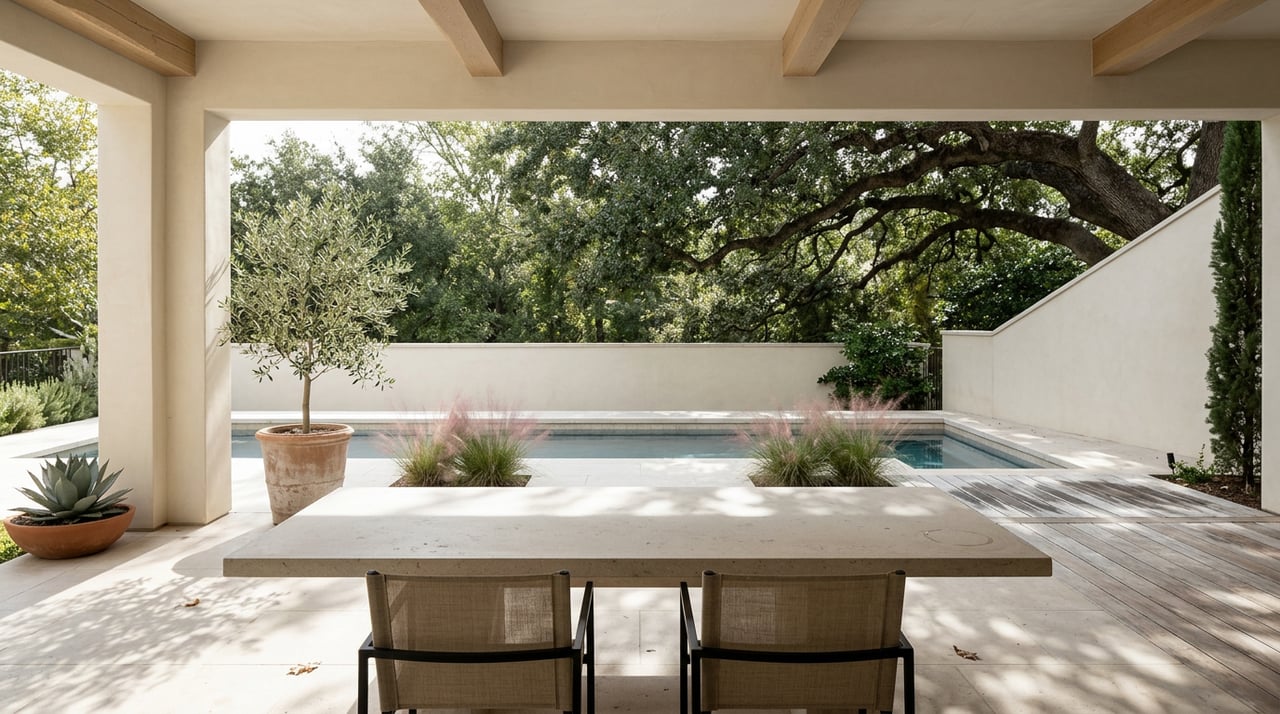
- If views are to the west or northwest, design outdoor living with shade and thermal buffers so summer evenings stay comfortable.
- Prioritize shading for west windows and doors. Deep overhangs, trellises, or deciduous trees help cut summer heat.
- If solar panels are a future goal, look for roof planes that face south to southeast with limited shade.
- Visit your favorite lots three times on a sunny day: morning, midafternoon, and sunset. Use a compass or sun-path app to check glare and shadows.
Elevation, views, and buildability
Higher ground often means bigger views and more privacy. It can also add cost and complexity.
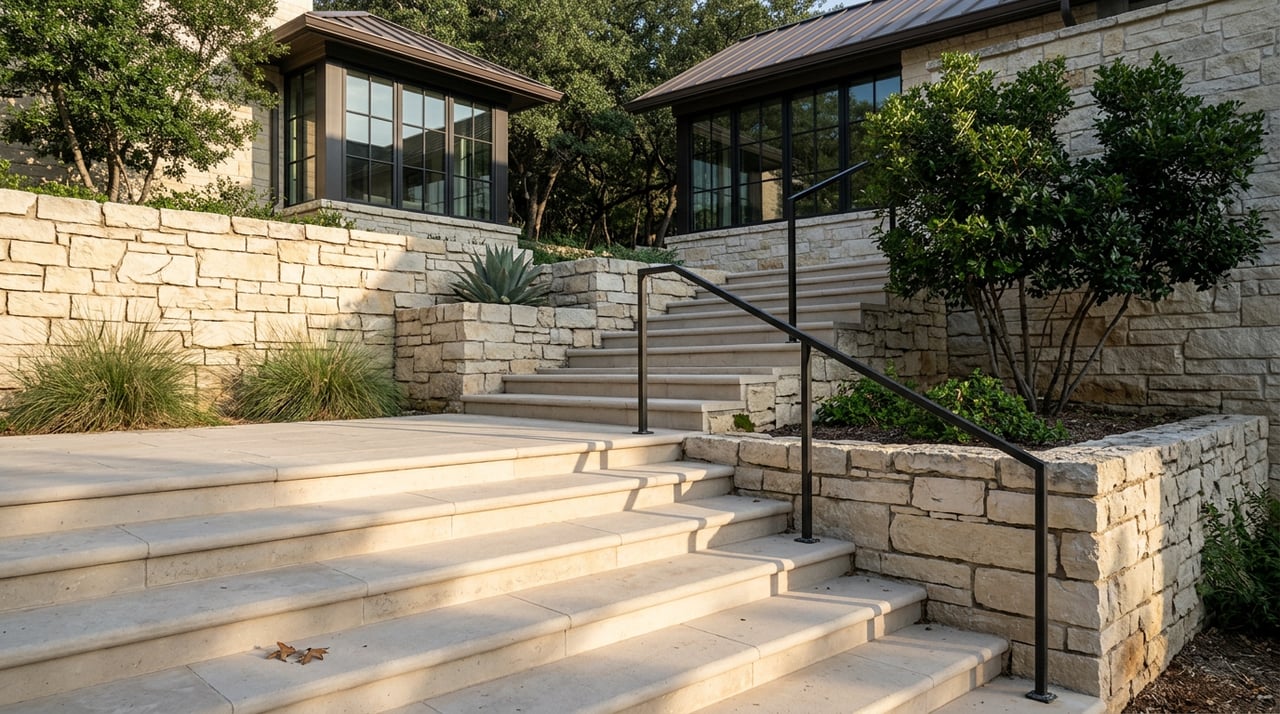
- Topography and soils: Hill Country lots may have limestone ledges or caliche that raise excavation costs. Steeper slopes tend to require geotechnical review, specialized foundations, erosion controls, and sometimes retaining walls.
- Drainage: Identify natural swales and low points. Steeper sites can need stormwater measures or detention, which affects design and budget.
- Wind and exposure: Ridgelines bring sweeping views and more exposure to wind and weather.
What to verify early:
- The recorded building envelope and any grade limits on the plat or in restrictive covenants.
- Slope percentage across the lot, plus likely driveway grades and staging areas for construction.
- Whether any part of the lot is in a FEMA or local floodplain. Confirm finished-floor elevation requirements if applicable.
Setbacks, easements, and build envelope
The visible lot line is not the full story. Build where the documents allow, not where the grass stops.
- Request the recorded plat, the current survey, and any CC&Rs or HOA design rules. Look for building setback lines and any special envelopes.
- Map utility and drainage easements. A 20 to 30 foot drainage easement can block structures even if the area looks open.
- Confirm utilities. Find out if you have city water and sewer or if a private or onsite system is required. Utility availability drives design and cost.
Tip: Have your architect or builder overlay the plat, setbacks, and easements on a site plan. You want to see the true buildable area before you fall in love with a concept.
Golf course adjacency tradeoffs
Many Barton Creek lots back to fairways, greens, or club facilities. The setting can be beautiful and open, but it comes with tradeoffs.
Upside:
- Park-like views and well-kept sightlines. You are less likely to face tall structures across the fairway.
- Strong lifestyle appeal for future resale to golf-friendly buyers.
Things to weigh:
- Errant golf balls. Risk often rises near tee boxes and greens. Ask for distances to tees and greens and whether nets, berms, or screening exist.
- Noise and activity. Expect early maintenance, carts, and occasional events.
- Chemical use. Ask course maintenance about spraying and buffers.
- Privacy and access. There can be more movement along the boundary.
Mitigation ideas:
- Use landscape berms, native shrubs, and dense evergreen buffers.
- Place bedrooms away from the course side where possible.
- Locate outdoor rooms with screening and consider orienting seating away from play lines.
Street type and everyday access
Where the lot sits on the street grid affects privacy and convenience.
- Cul-de-sacs: Typically lower traffic and more privacy. Lots can be larger or shaped to create deeper side and rear yards. Some cul-de-sacs sit on view corridors.
- Through streets: Easier access and often more regular lot shapes that are efficient to build on, but with more traffic and potential noise.
Evaluate the street axis:
- If the street runs east to west, the front and back exposures are likely north and south. If it runs north to south, the rear may face east or west, which changes afternoon comfort.
Trees, ecology, and view preservation
Mature oaks and junipers are part of the Barton Creek landscape. Trees add shade and privacy, yet they can limit solar access or narrow the buildable area.
- Tree rules: The City of Austin has protection requirements for significant trees, and the HOA may add its own rules. Removing certain trees can require permits or mitigation.
- Riparian corridors: Lots near Barton Creek or tributaries often have buffers or setbacks that limit building and clearing.
- Conservation or viewshed provisions: Some communities include view protections that limit cutting on adjacent lots.
Landscaping tips:
- Plant deciduous trees to block summer sun and allow winter light.
- Use dense evergreens where you need year-round privacy or golf-ball protection.
Utilities and site cost drivers
Pin down services and limits early so your design and budget stay aligned.
- Water and sewer: Confirm service and connection points. Onsite or private systems change design and costs.
- Electric: Verify provider and whether lines are overhead or underground. Overhead lines can affect views and tree work.
- Gas and internet: Check availability, including fiber or high-speed options.
- Impervious cover: Local rules limit hardscape areas, which affects pool size, patios, and driveway layouts.
Site costs to plan for:
- Utility extensions, driveway grading, and longer runs on large or sloped lots.
- Retaining walls, specialized foundations, and erosion controls on hillside sites.
- Tree mitigation and landscape restoration if removals are permitted.
On-site touring checklist
Use this field checklist when you visit lots. Bring a compass or sun-path app, your phone camera, and a simple sound meter app.
- Timing: Visit morning, midafternoon, and near sunset on a clear day. Note sun, shade, glare, and comfort on patios and possible pool areas.
- Orientation: Stand where a living room and primary suite might be. Check where the sun comes from at 5 to 7 p.m. in summer.
- Views: Photograph the view corridors. Note any vacant lots that could change the view later.
- Noise and activity: Listen for traffic, golf maintenance, and club events. Note cart paths or practice areas nearby.
- Slope and drainage: Identify flat pads and steeper sections. Look for swales, low spots, and evidence of runoff.
- Build envelope: Ask for the plat and survey on site. Locate setback lines and any drainage or utility easements.
- Trees: Mark significant trees you want to keep and any that could affect the building footprint.
- Distances: Measure or estimate to tee boxes, greens, the nearest street, creek, and major roads.
- Solar potential: Note likely roof planes for south to southeast exposure and any tall trees that cast shade.
Compare lots with a simple scorecard
When two lots both look great, use a weighted score to reflect what matters most to you. Score each category 1 to 10, then multiply by the weight. Higher total wins.
Suggested weights:
- Privacy and noise: 25 percent
- Views and ridgeline exposure: 20 percent
- Solar orientation and daylight: 15 percent
- Buildability and site cost: 20 percent
- Proximity to golf or greenbelt: 10 percent
- Utilities and regulatory constraints: 10 percent
How to adjust:
- If energy efficiency and summer comfort matter most, increase the weight for solar orientation and west-exposure mitigation.
- If you value privacy and skyline vistas, increase weight on elevation and cul-de-sac placement.
- If you want predictable build costs, increase buildability and utilities weights.
Smart next steps
- Request from the listing side: recorded plat, current survey, CC&Rs or HOA design rules, any permits, and a plan showing how the lot relates to fairways or greens.
- Order or review: floodplain maps, topographic data, and a preliminary geotechnical evaluation if the lot is steep.
- Walk the site more than once and document sun, noise, and view corridors with photos.
- Build a realistic budget that includes tree work, retaining walls, utility runs, and stormwater measures if needed.
When you want a discreet, expert partner to guide you through Barton Creek’s topography, orientation, and HOA rules, connect with Dara Allen. Our boutique team advocates for your privacy and goals, brings neighborhood mastery to every site walk, and helps you weigh design, comfort, and cost so you land the right lot.
FAQs
How close is too close to a tee box in Barton Creek?
- There is no universal rule. Many buyers prefer at least one lot or a meaningful distance from a tee box, and you should ask for a scaled course plan and any history of golf-ball strikes. Nets, berms, and landscape screening are common mitigations.
Do ridgeline lots in Barton Creek require special permits?
- They can. Hillside development often triggers extra engineering, erosion controls, and drainage measures. Check the recorded plat, city development services, and HOA guidelines before finalizing plans.
Can you remove trees to open a view in Barton Creek?
- Possibly, but you need to follow city and HOA tree rules and any conservation easements. Certain removals require permits and mitigation planting.
How do you check if a Barton Creek lot is in a floodplain?
- Review FEMA flood maps and local floodplain layers, then request an elevation certificate. You can also consult the local floodplain administrator for confirmation.
How can you estimate slope-related building costs in Barton Creek?
- Get a topographic survey and consult a local builder or engineer. Steeper slopes can add tens of thousands in foundation and retaining-wall work depending on grade and soils.