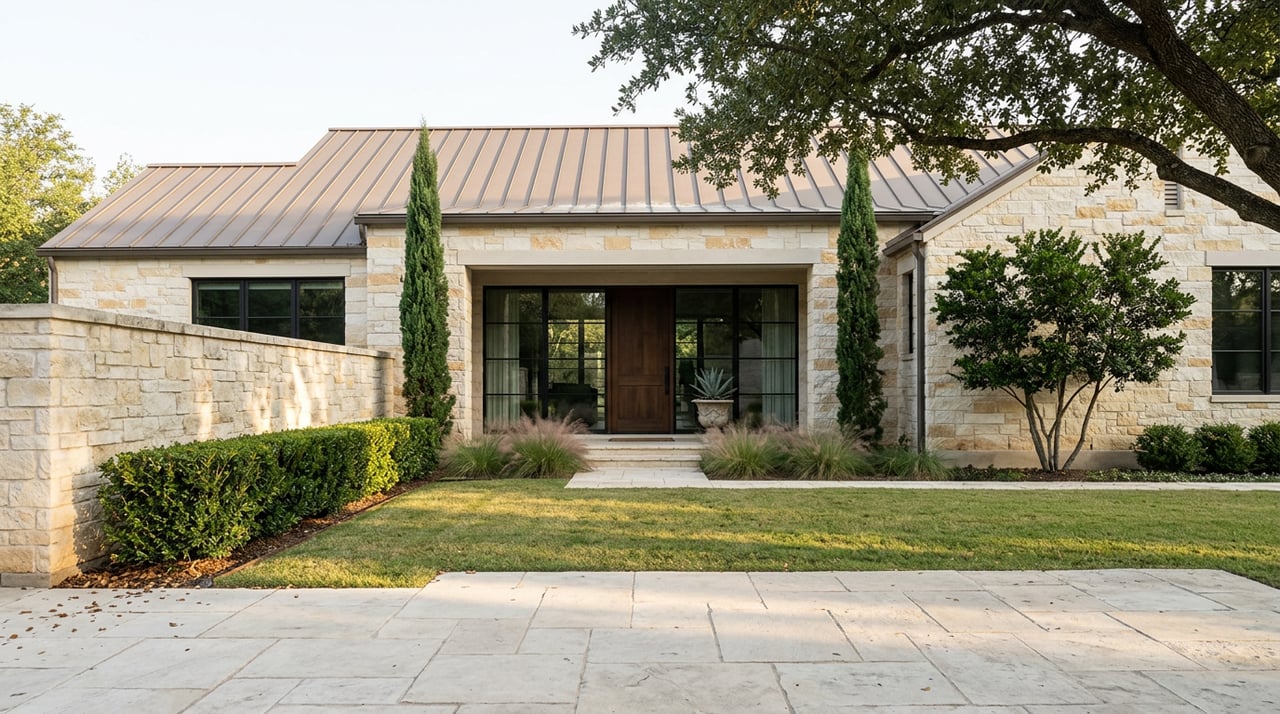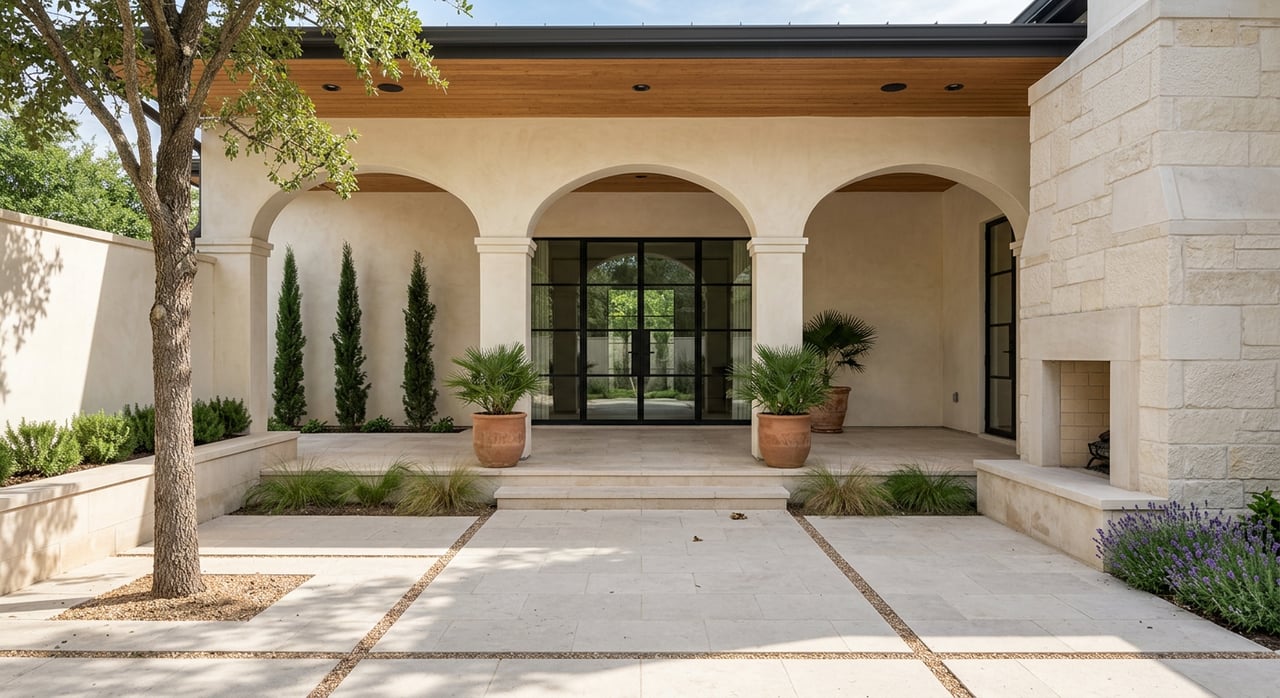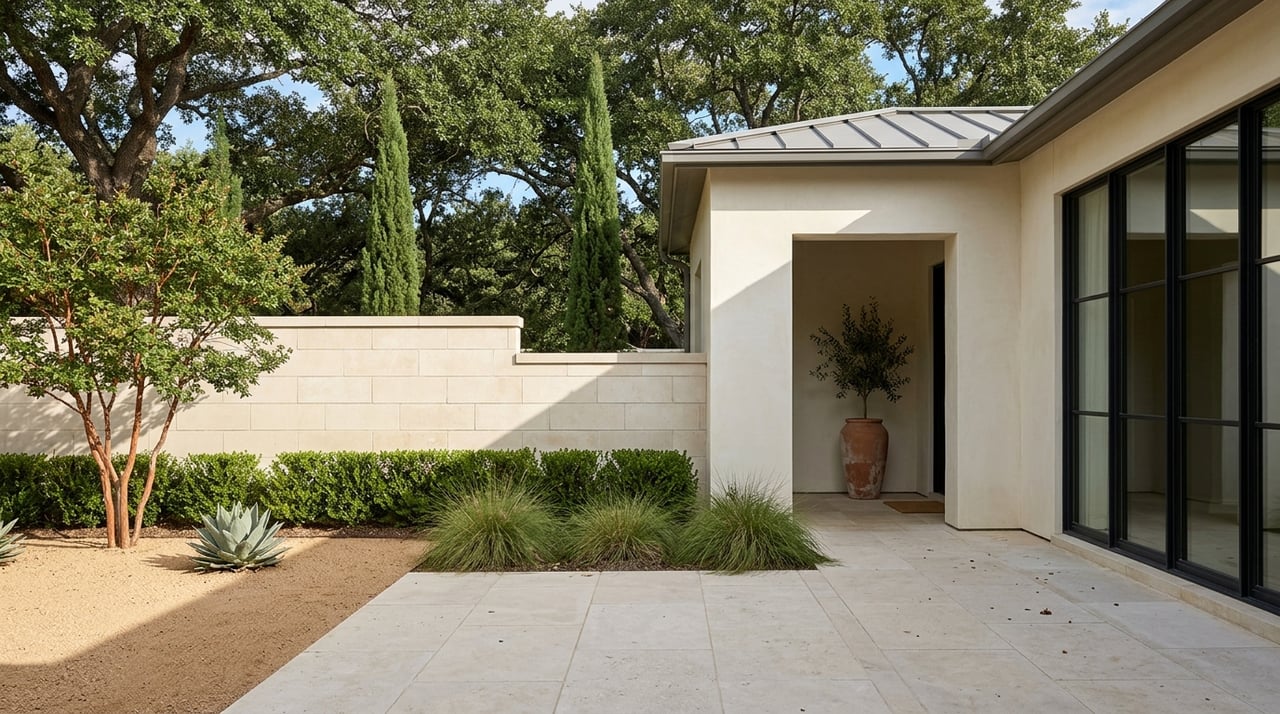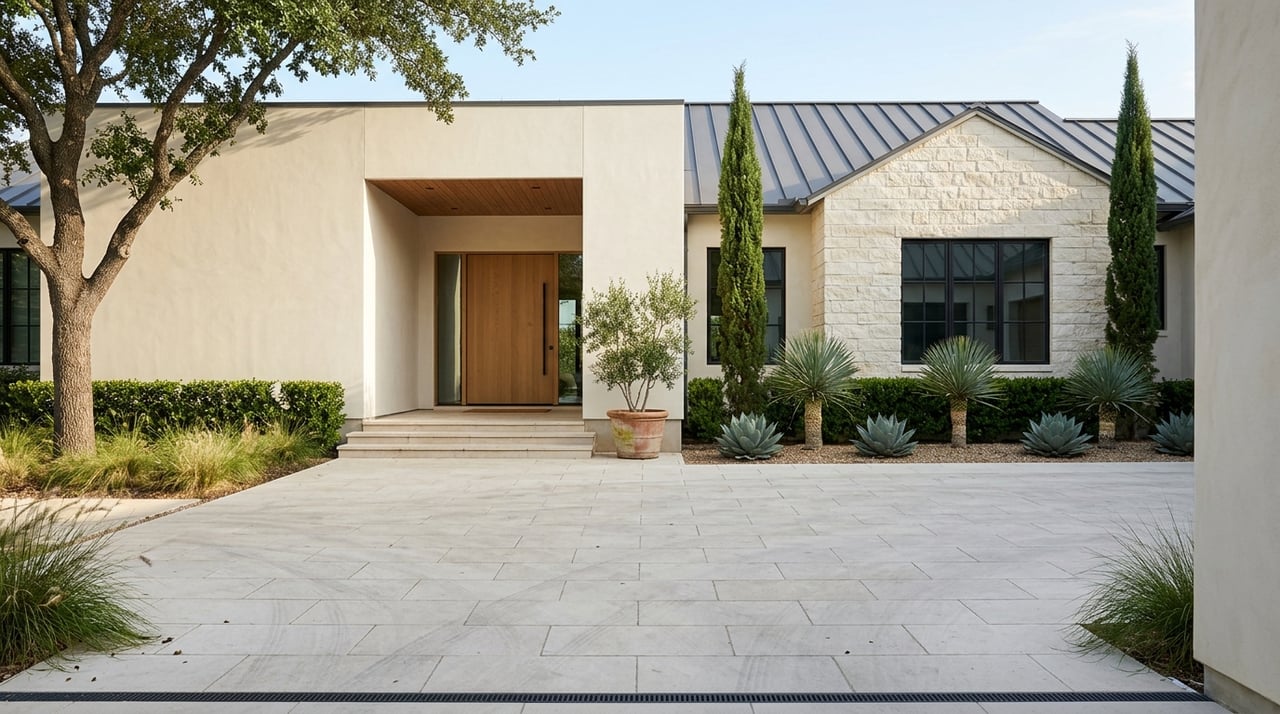

Buying in Barton Creek and eyeing a luxury estate? If your target home sits above Austin’s typical price range, you will likely use a jumbo mortgage. That brings different rules, larger documentation needs, and a few extra steps to keep your closing on track. In this guide, you will learn how jumbo loans work, what lenders expect, how appraisals differ for high-end properties, and the strategies that help you move from offer to keys with confidence. Let’s dive in.
Why jumbo matters in Barton Creek
Barton Creek includes many custom estates and luxury homes that often sell well above the metro median. That is why jumbo financing is common here. When your loan amount exceeds the conforming limit set each year for the county, the loan is considered jumbo and follows different underwriting standards.
Before you shop, it helps to verify two things early: current local sale prices and the most recent conforming loan limit for the county. Conforming limits are published annually by the Federal Housing Finance Agency. Comparing your projected loan amount to that limit will tell you whether you are in jumbo territory.
Conforming limits 101
A conforming loan is one that meets Fannie Mae and Freddie Mac rules and stays within the annual county loan limit. Anything above that loan limit is jumbo. Most Barton Creek estates exceed the baseline limit, so many buyers either plan for jumbo financing or increase their down payment to fit under the conforming cap.
Simple jumbo examples
- Purchase price 1,500,000 with 20 percent down equals a 1,200,000 loan amount, which is typically jumbo.
- Purchase price 900,000 with 10 percent down equals an 810,000 loan amount, which may also be jumbo depending on the current county limit.
Your lender can confirm the latest limit and help you structure the down payment to match your goals.
What jumbo lenders expect
Jumbo loans are not purchased by Fannie Mae or Freddie Mac. They are either sold to private investors or held by banks in their own portfolios. That means guidelines can vary by lender, but most share similar themes.
Credit, down payment, and LTV
Lenders usually expect strong credit for the best pricing. Many programs favor a mid-700s credit score for top terms, although some portfolio lenders will consider lower scores with compensating factors. Down payments commonly range from 10 to 30 percent. A conservative approach for luxury purchases is 20 to 30 percent down to secure competitive rates and reduce reserve requirements. Lower loan-to-value ratios, such as 70 to 80 percent, often receive better pricing.
Debt-to-income and reserves
Most jumbo lenders cap debt-to-income ratios between about 43 and 50 percent. Reserve requirements are higher than for conforming loans. You can expect 6 to 12 months of principal, interest, taxes, and insurance in liquid reserves for many well-documented jumbo loans. Higher loan amounts, second homes, or investment properties can push reserves to 12 to 24 months.
Documentation options
- Full documentation. Expect W-2s, recent pay stubs, and 60 to 90 days of asset statements. Self-employed buyers often provide two years of tax returns.
- Asset-based and bank-statement programs. If your reported income is uneven but you hold significant liquid assets or business cash flow, alternative products can help. Asset depletion converts assets into qualifying income using a lender formula. Bank-statement underwriting uses 12 to 24 months of deposits to calculate cash flow. These options provide flexibility but may come with higher rates or fees.
Rates and pricing factors
Jumbo rates are priced relative to market benchmarks and can be slightly higher than conforming rates. Pricing depends on your loan-to-value ratio, credit score, occupancy, fixed versus adjustable structure, and whether you use full documentation or an alternative program. Some lenders also offer interest-only or adjustable jumbo options that lower initial payments, which can require larger reserves and careful planning. For tax implications, including deductibility on large balances or second homes, consult your tax advisor.
Appraisals and underwriting for estates
Buying a high-end property often means a more complex valuation and tighter review. Planning for these differences helps you avoid surprises.
Appraisals in luxury neighborhoods
In luxury areas, comparable sales can be limited or spread out over time. Appraisers with high-end experience are often required, and lenders may request a second appraisal or appraisal review. Unique features like acreage, guest houses, custom finishes, pools, or equestrian elements take more time to evaluate. If an appraisal comes in low, you may need to adjust the price, increase the down payment, or seek additional valuation support.
Property and HOA reviews
Detached estates and properties within master-planned communities can trigger extra reviews. If you are buying a condominium or a home within a community association, lenders will examine HOA financials, reserve studies, litigation, and special assessments. Properties with accessory units or rental potential can also change reserve requirements or underwriting treatment. Site-specific risks like steep topography or flood exposure can require additional inspections or endorsements.
Title, insurance, and taxes
High-value transactions benefit from meticulous title review. Easements, mineral rights, or historic restrictions should be understood early. Insurance for large custom homes can require specialty carriers and replacement-cost policies, which are typically more expensive. Property taxes scale with value, so be sure your escrow and reserves reflect accurate tax estimates.
Timeline and how to win
Jumbo loans can take longer than conforming loans, especially if you use alternative documentation or the property has unique features. A proactive plan keeps your closing on track.
Typical closing timelines
- Well-documented jumbo: about 30 to 45 days from contract to close.
- Portfolio or non-QM with asset-based income: about 45 to 60 days, sometimes longer.
- Appraisal or title complexity can extend timelines beyond these ranges.
Coordinate your interest rate lock with your expected close date. Longer locks can cost more. If you are building or anticipate delays, ask about lock extensions or float-down options.
Strategies to reduce risk
- Get a full pre-approval. Aim for a fully underwritten approval where the lender reviews your documents before you write offers. This strengthens your position and reduces last-minute surprises.
- Order the appraisal early. Where your contract allows, coordinate quick access and provide any known improvements or features that support value.
- Review HOA documents early. Resolve any questions on budgets, reserves, litigation, or special assessments that could affect approval.
- Plan for appraisal gaps. Keep additional funds or a strategy in place if the appraisal lands below the contract price.
- Compare multiple jumbo lenders. Pricing and overlays vary. A mortgage broker or private bank with jumbo experience in the Austin area can tailor options to your profile.
- Consider liquidity strategies. Bridge loans, a HELOC on your current home, or deploying investment account assets for your down payment can help you move without a sale contingency. Weigh costs and timing.
Your document checklist
- Two years of tax returns if required, W-2s, and recent pay stubs
- 60 to 90 days of bank and investment statements, or 12 to 24 months of statements for bank-statement programs
- List of real estate owned with current mortgage balances
- Asset statements to document reserves
- Gift letter if applicable, and trust documents if purchasing in a trust
- Signed purchase contract and HOA documents if available
- Government ID and signed disclosures
Sample buyer scenarios
These examples illustrate how jumbo financing often looks for Barton Creek buyers. Your exact terms will depend on the current conforming limit, your credit profile, and your lender’s program.
Example A: Primary residence, 1.5M purchase
- Purchase price: 1,500,000
- Down payment: 20 percent, 300,000
- Loan amount: 1,200,000, which is jumbo
- Likely expectations: strong credit, 6 to 12 months of reserves, full documentation, and a luxury-experienced appraiser
Example B: High-net-worth buyer, 2.5M purchase
- Purchase price: 2,500,000
- Down payment: 30 percent, 750,000
- Loan amount: 1,750,000, jumbo at a large balance
- Considerations: 12 to 24 months of reserves, verified liquid assets, and possibly a portfolio lender comfortable holding the loan
Example C: Significant assets, uneven reported income
- Situation: strong brokerage or business assets, but tax returns do not reflect consistent income
- Options: bank-statement or asset-depletion jumbo to convert assets to qualifying income
- Trade-offs: higher rates or fees versus full-document jumbo programs, with lender-specific underwriting formulas
Work with a local luxury team
Jumbo financing in Barton Creek rewards preparation. The right pre-approval, an experienced appraiser, and a lender comfortable with high-end properties can make your purchase smoother and more competitive. If you want a discreet, strategy-first approach that integrates financing, property selection, and offer timing, our team is here to help. Connect with Dara Allen to discuss your plans and access curated Barton Creek opportunities on and off market.
FAQs
What is a jumbo loan for Barton Creek buyers?
- A jumbo loan is any mortgage where your loan amount exceeds the county’s conforming limit, which is published annually; many Barton Creek estates exceed that threshold.
How much down payment do jumbo lenders require?
- Many programs allow 10 to 30 percent down, but 20 to 30 percent often secures better pricing and can reduce reserve requirements.
What credit score is needed for a jumbo mortgage?
- The most competitive jumbo terms commonly go to borrowers with mid-700s credit scores or higher, though some portfolio lenders accept lower with strong compensating factors.
How long does a jumbo loan take to close?
- A well-documented jumbo often closes in 30 to 45 days, while portfolio or non-QM loans using alternative documentation can take 45 to 60 days or more.
What makes luxury appraisals take longer?
- Unique features, limited comparable sales, acreage, or amenities like guest houses and custom builds require specialized valuation and can trigger appraisal reviews or a second appraisal.
Can I qualify for a jumbo loan with irregular income?
- Yes, some lenders offer bank-statement or asset-depletion programs that use cash flow or liquid assets to qualify, typically at higher rates or fees than full-document options.