Ask three people familiar with Spanish Oaks what it costs to join the golf club, and you will likely get three different numbers. One will say somewhere in the $75,000 to $150,000 range. Another will quote $150,000 to $200,000 or more. A third will tell you it is a flat $200,000, full stop. All three might be technically right, because the figure moves with membership category, timing, and how recently the person you're talking to actually confirmed it with the club.
That inconsistency is not a research failure. It's the story. In a community where the home and the golf membership are two entirely separate transactions, with separate contracts, separate underwriting, and separate people you have to satisfy before either one closes, the fact that even seasoned professionals can't agree on the second number should tell a buyer something: verify it yourself, in writing, before you're past your option period.
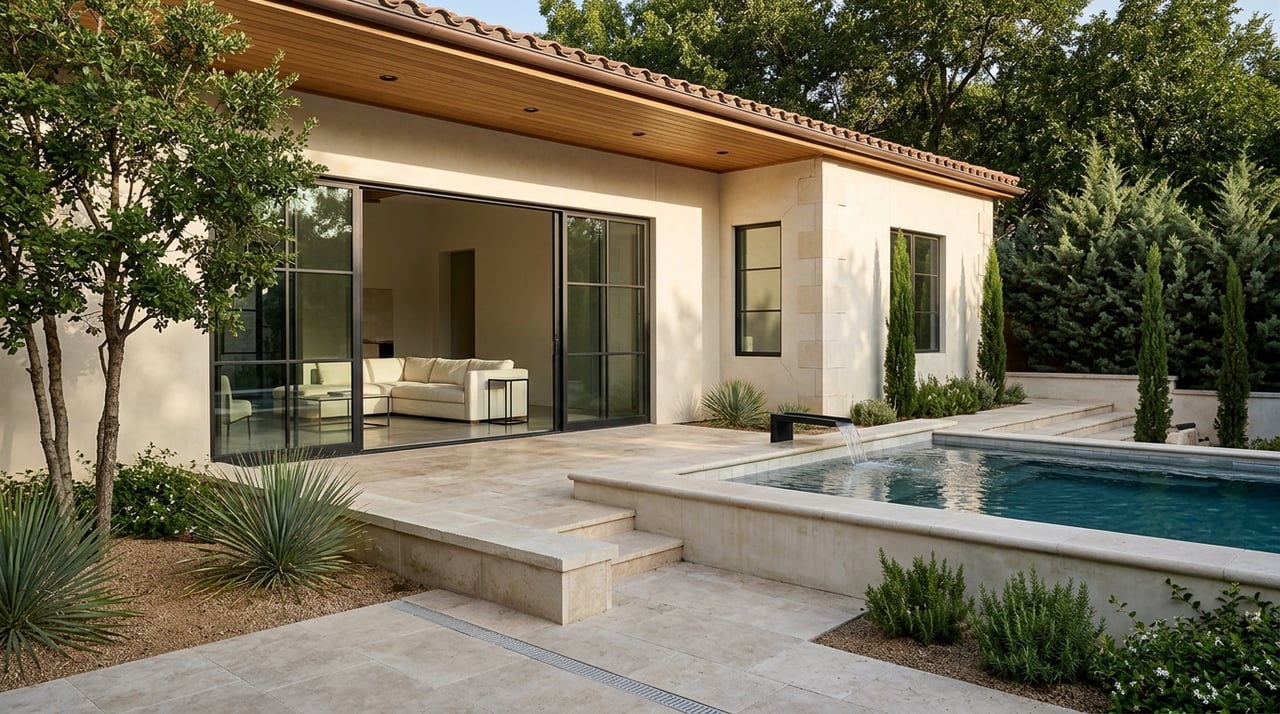
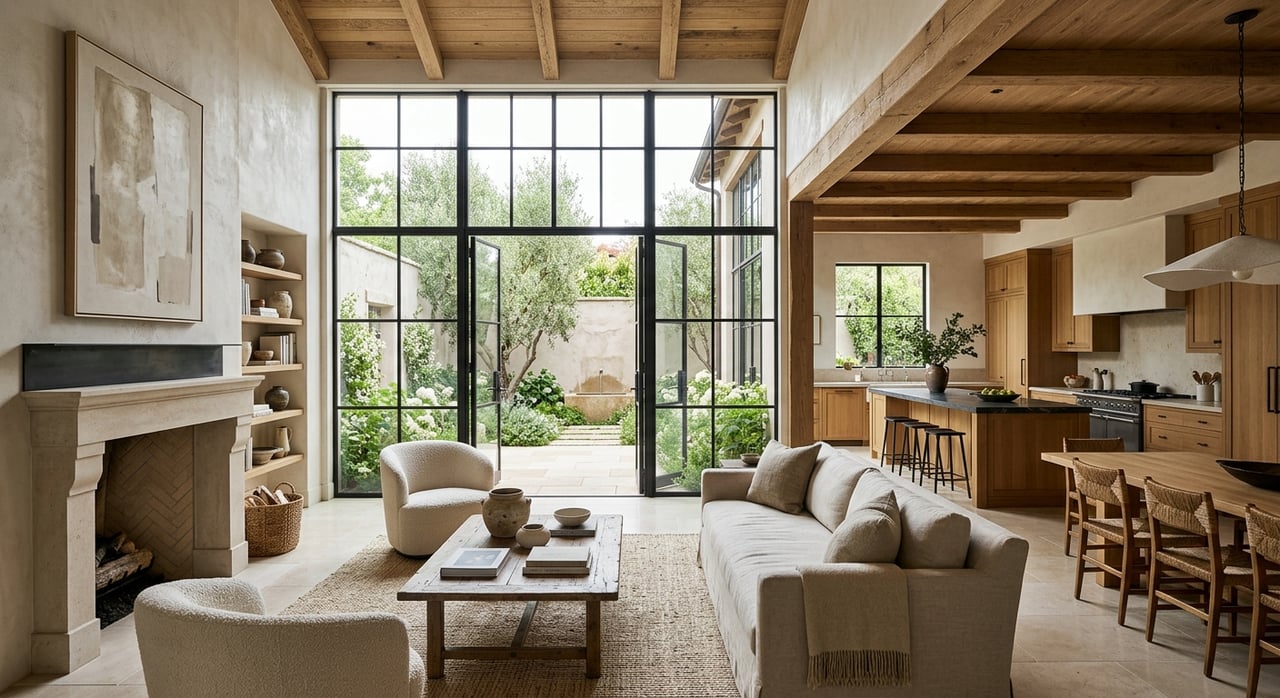
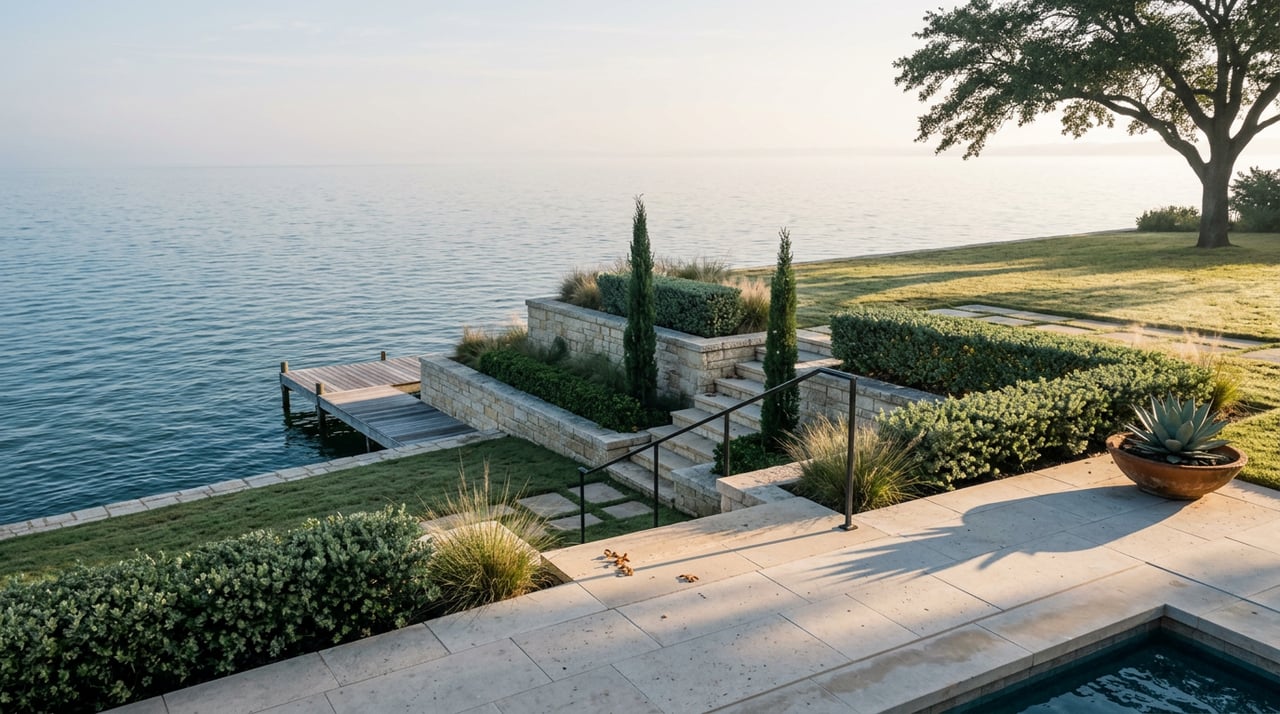
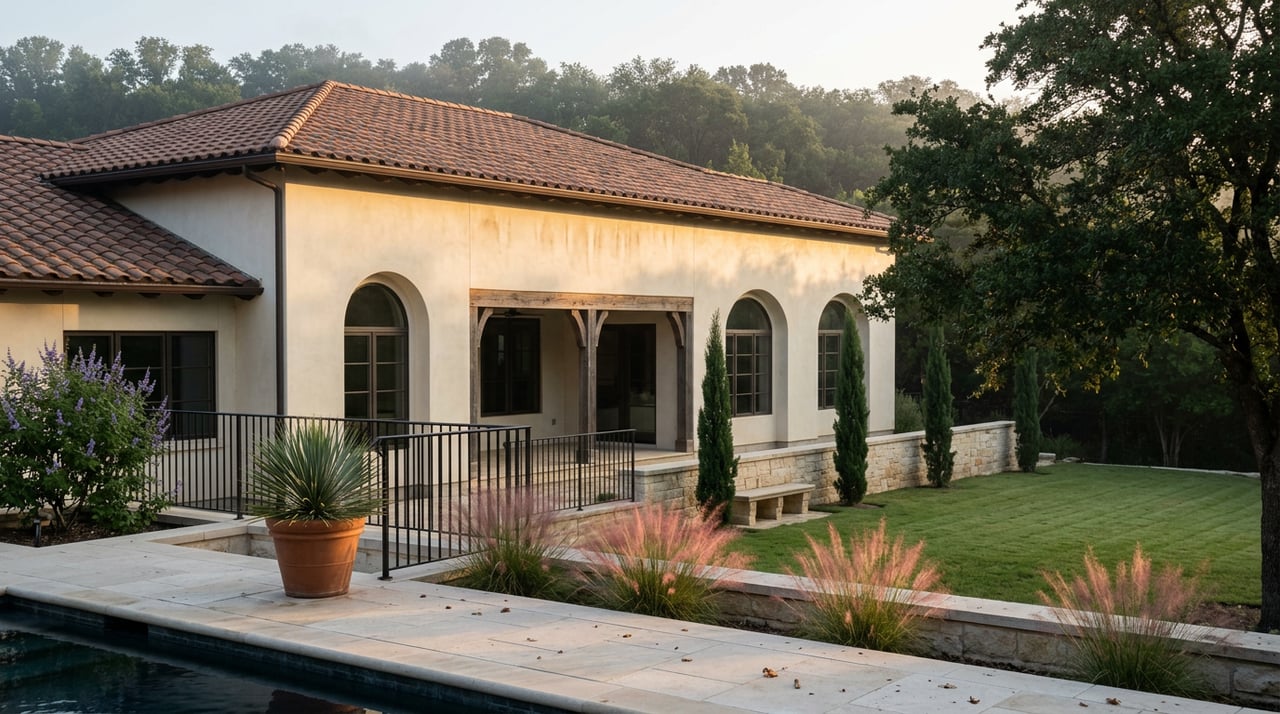
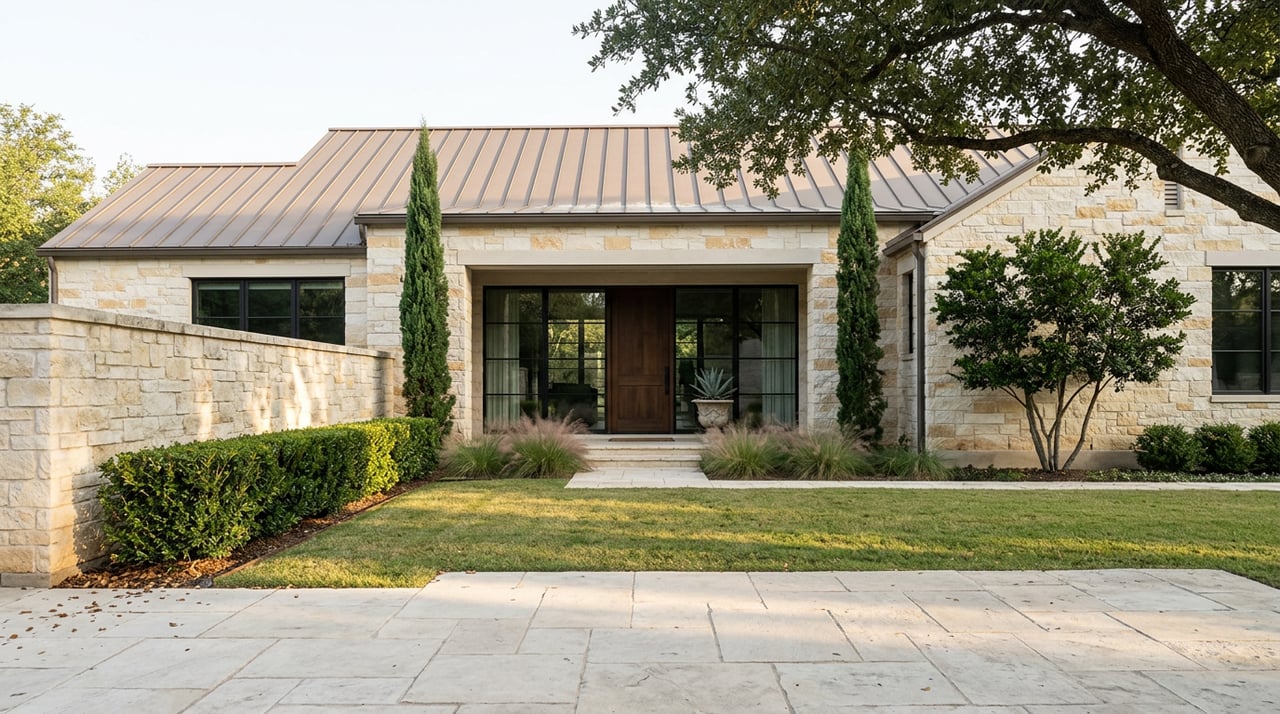
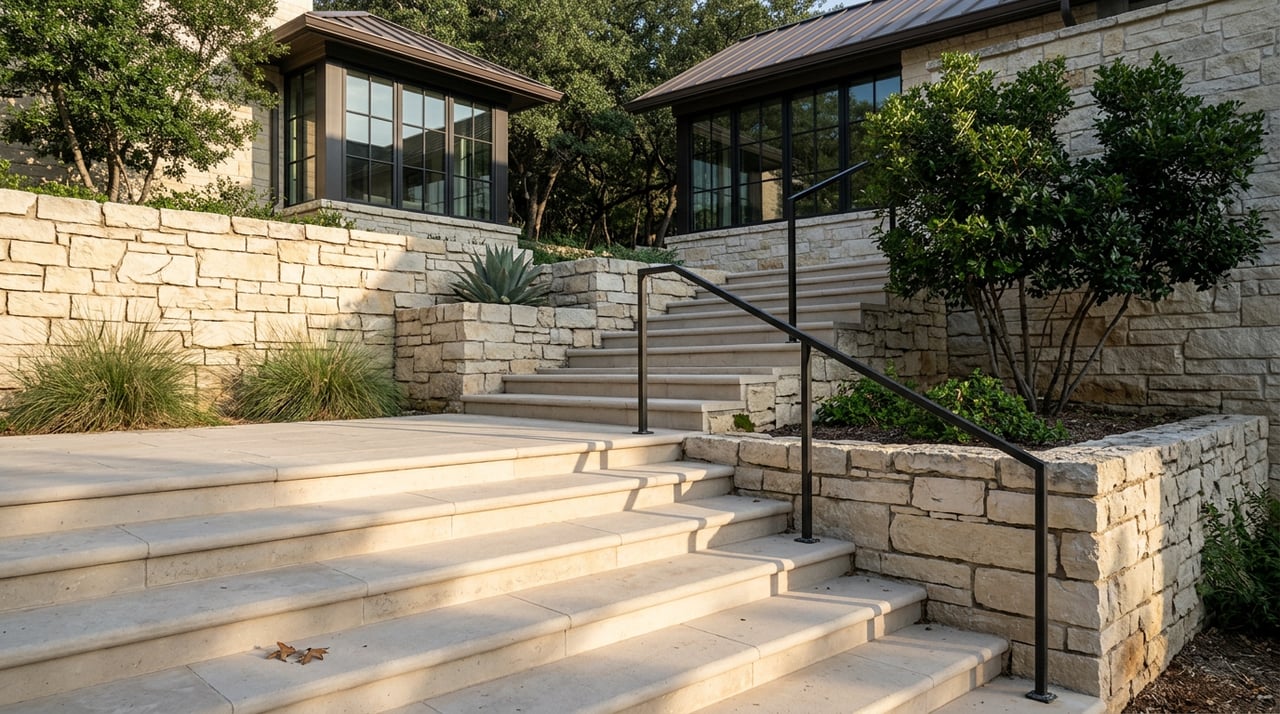
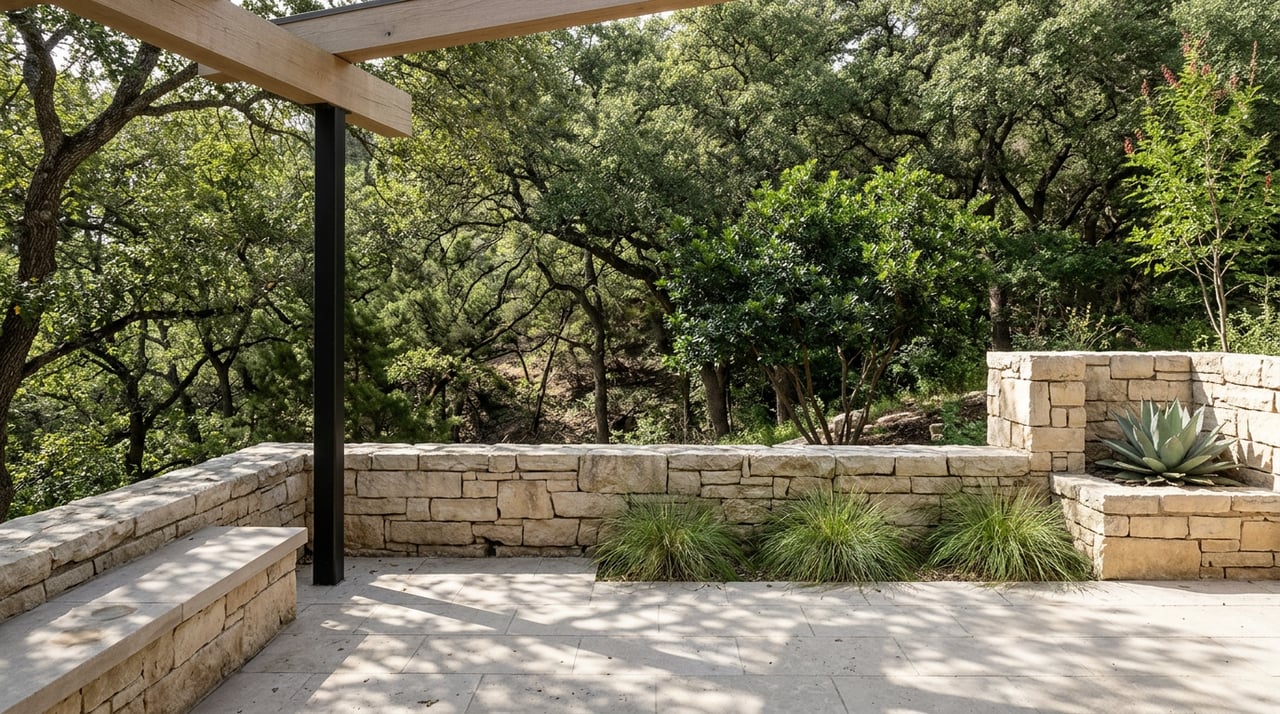
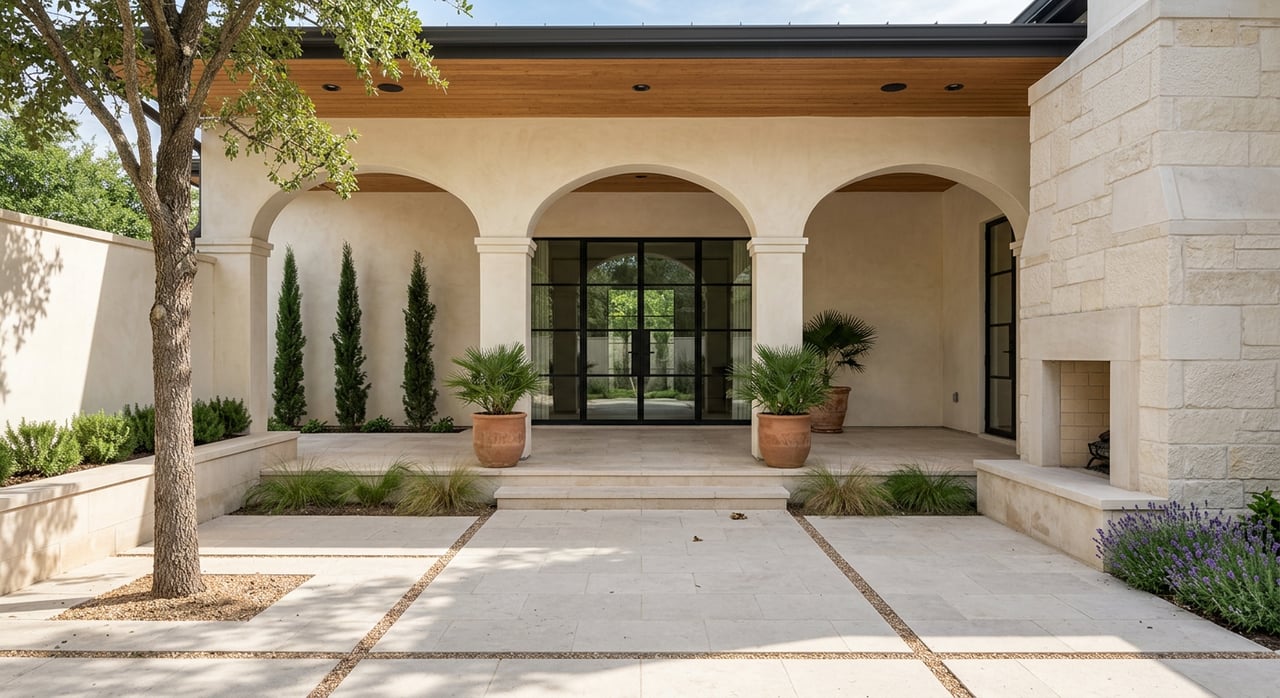
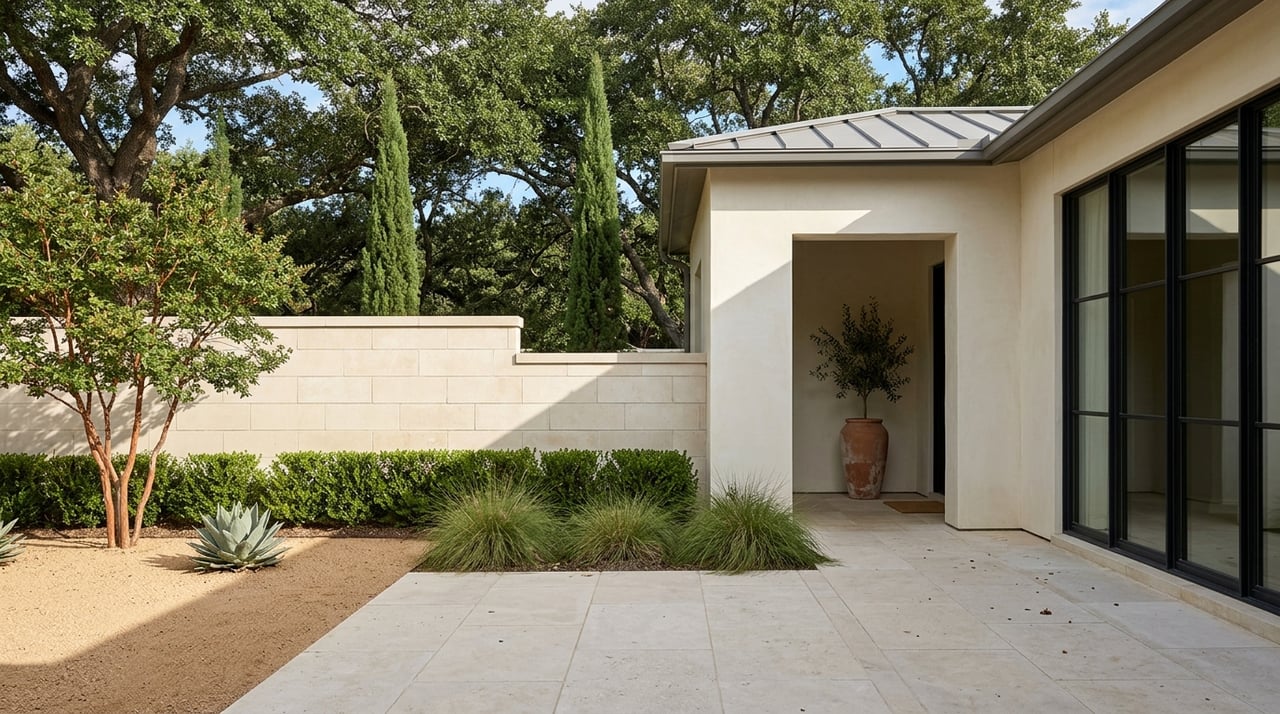
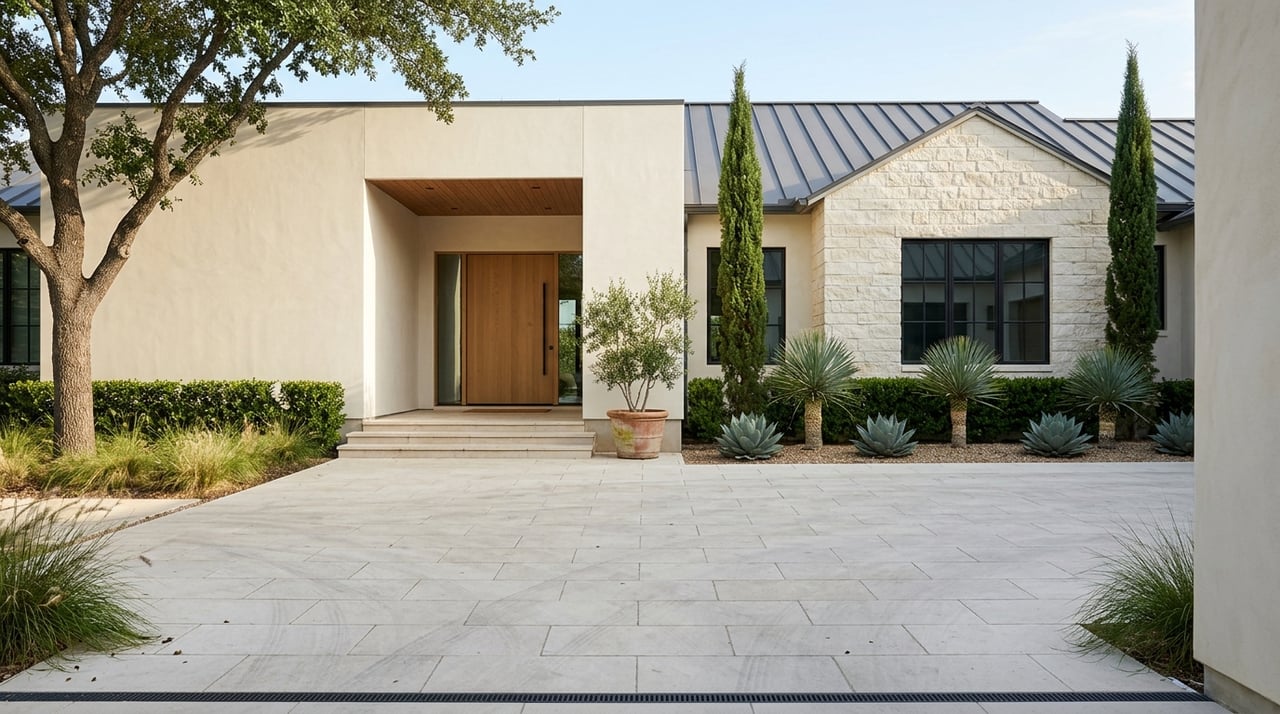
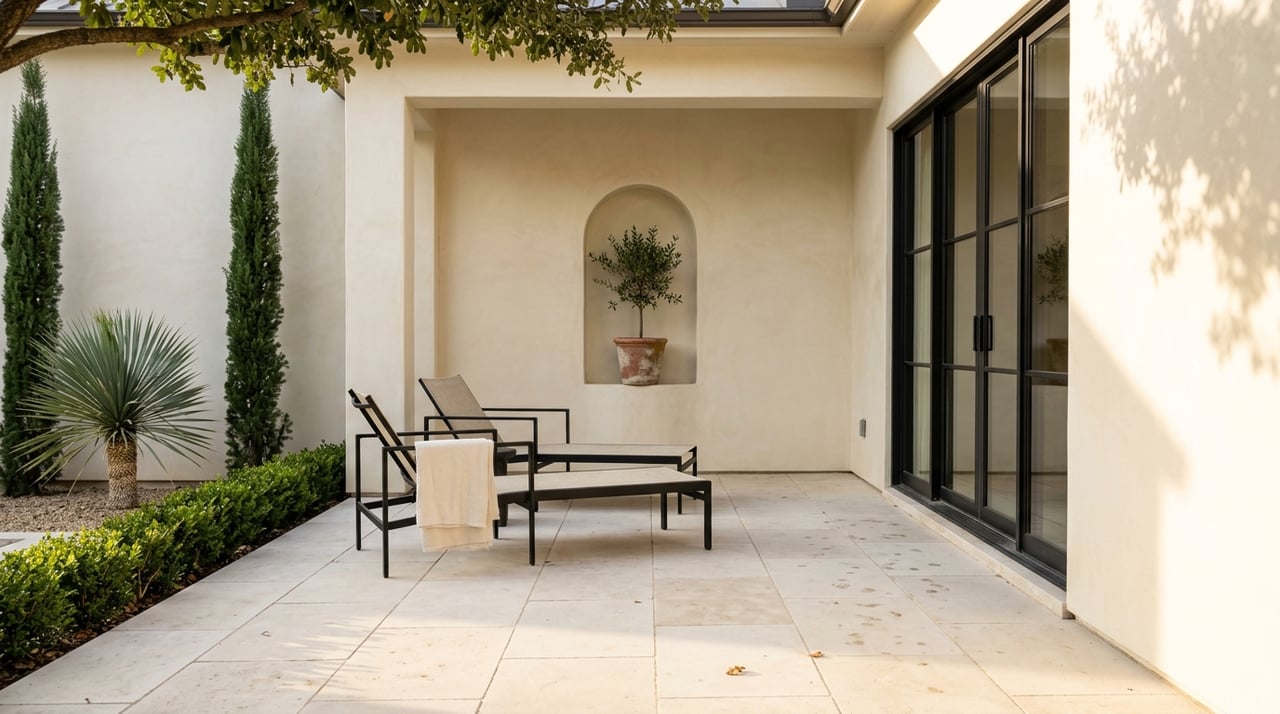
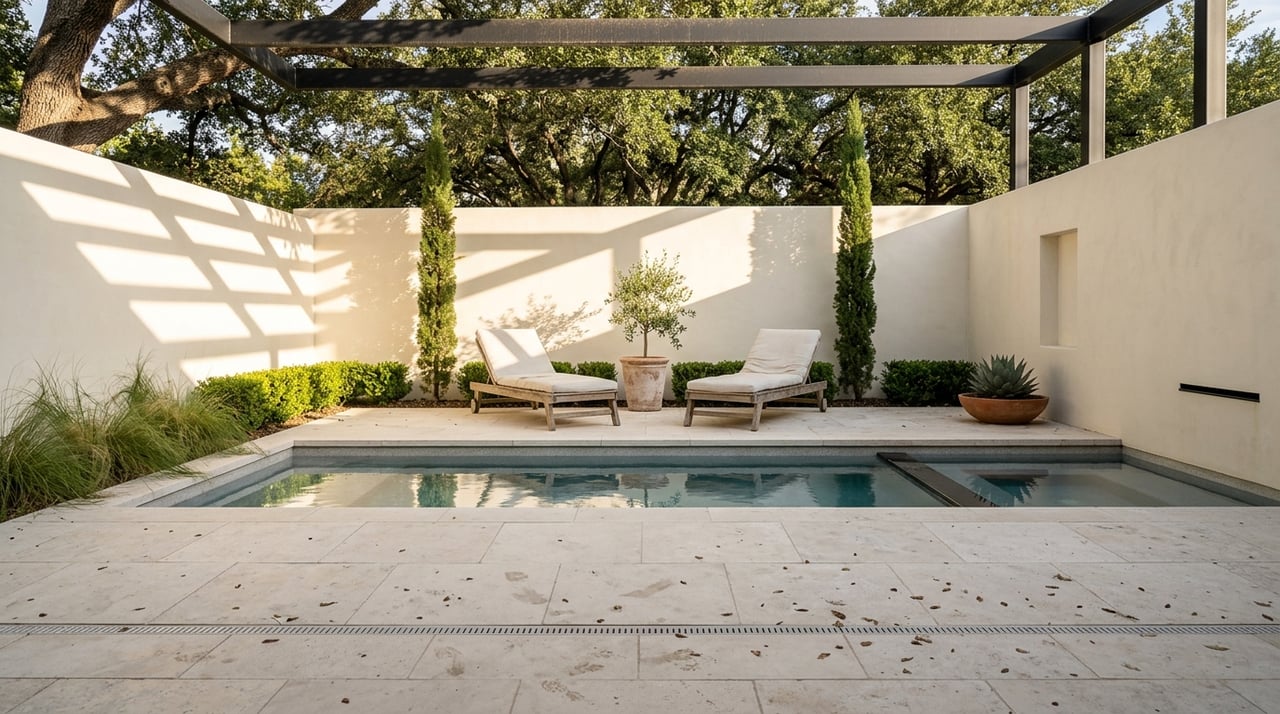
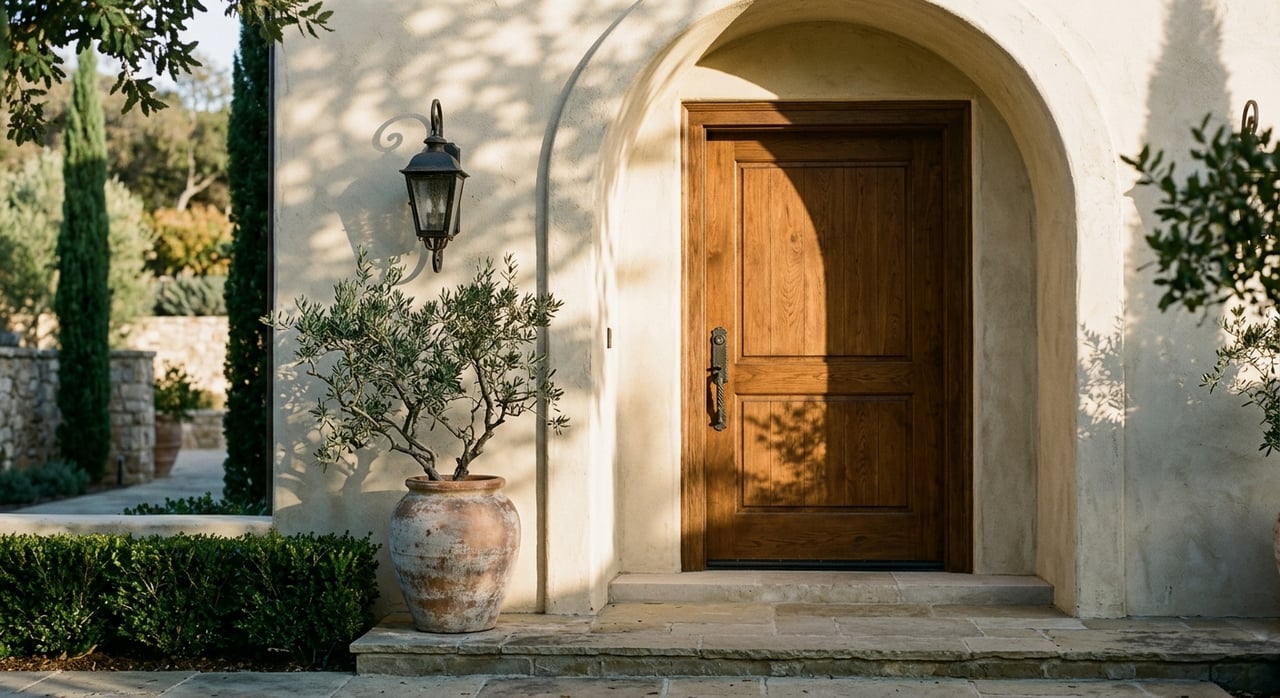
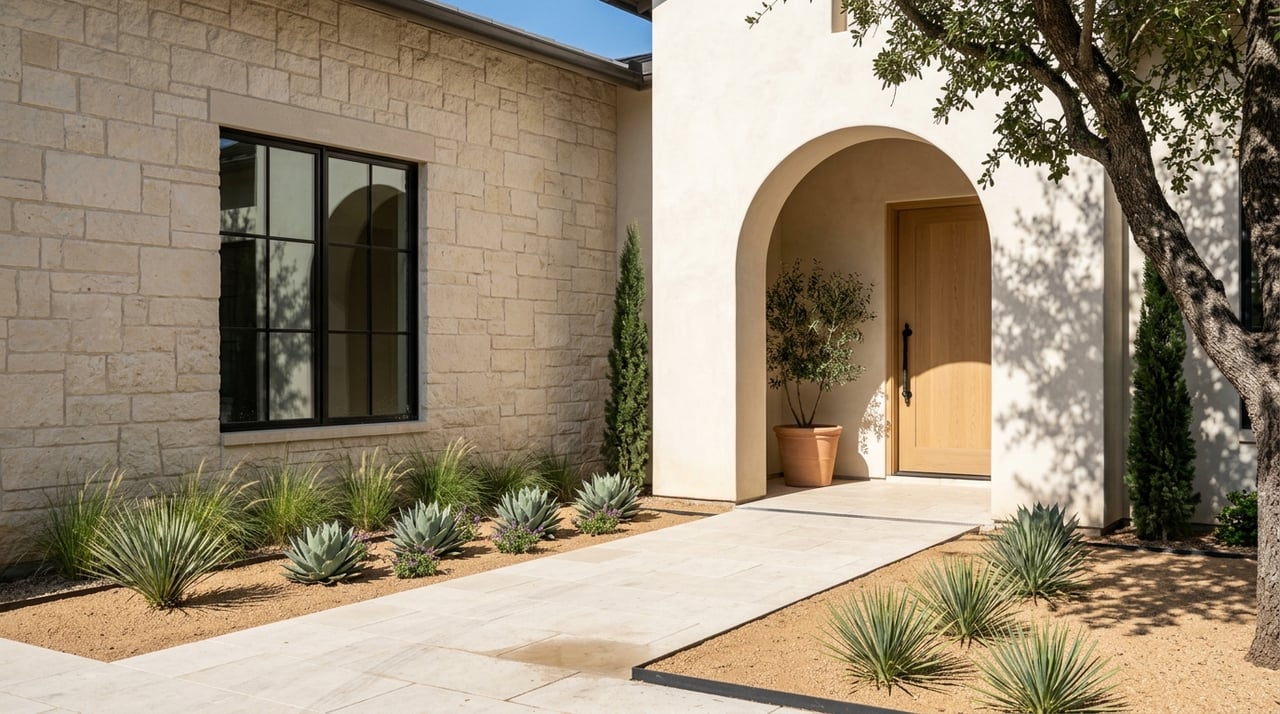
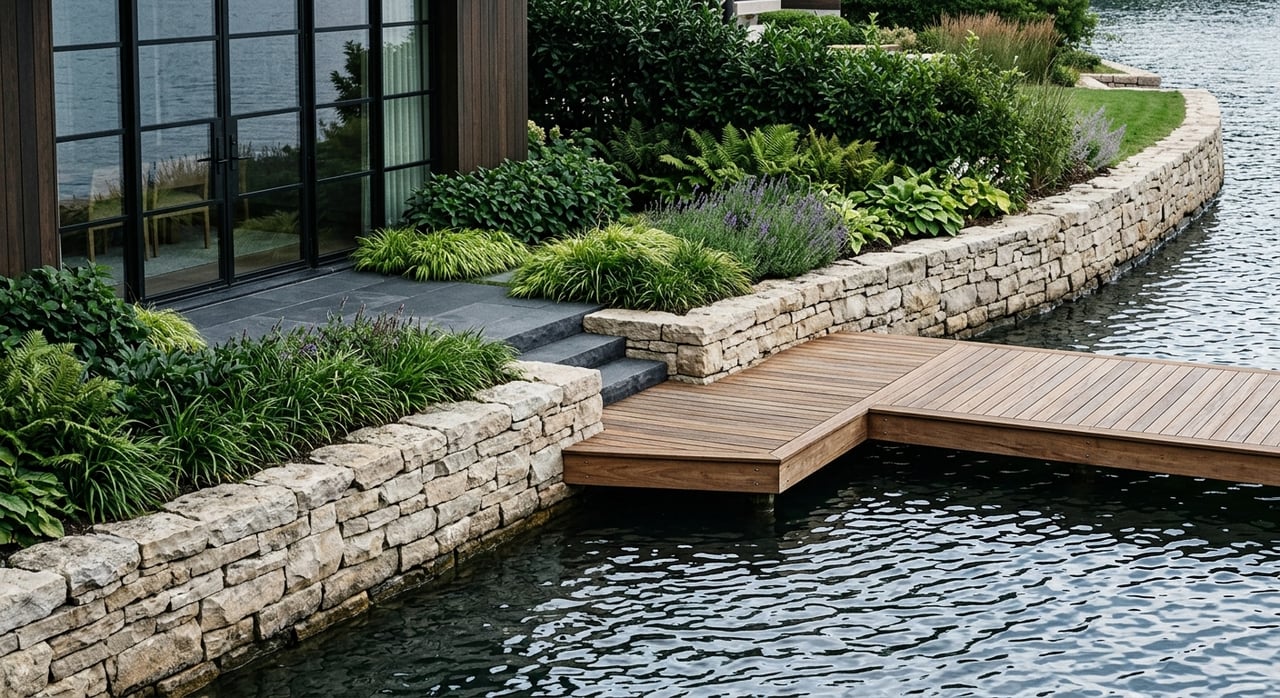
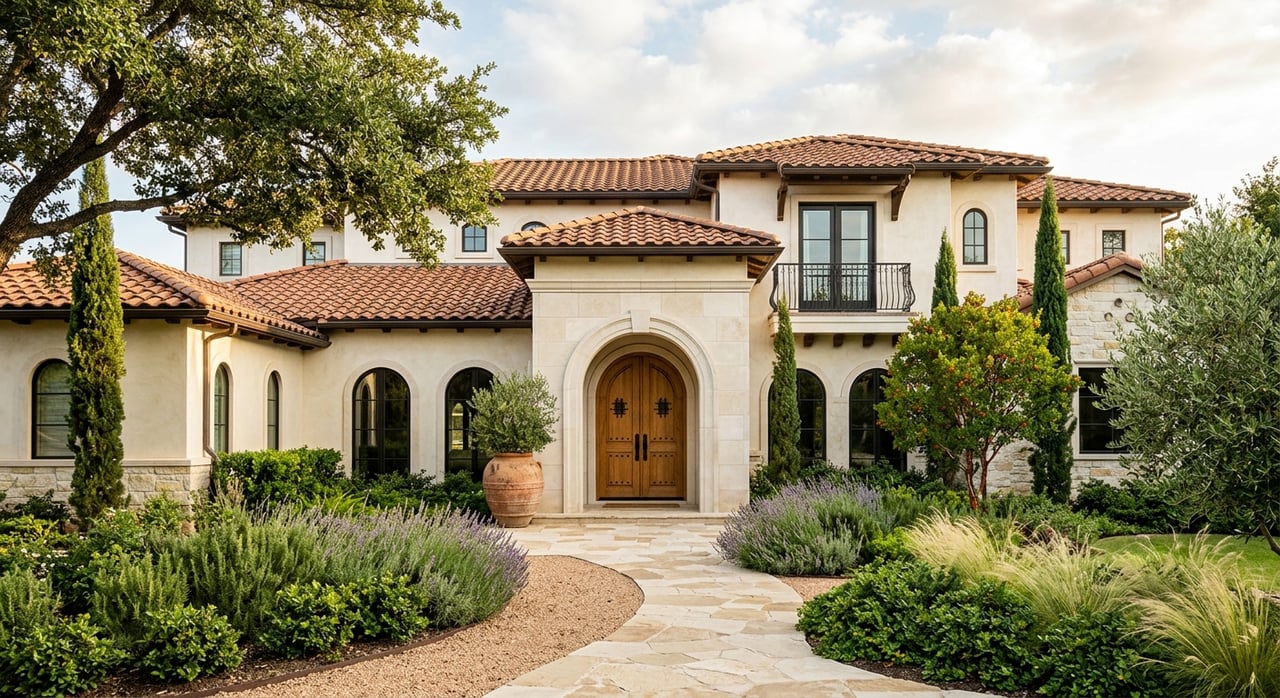
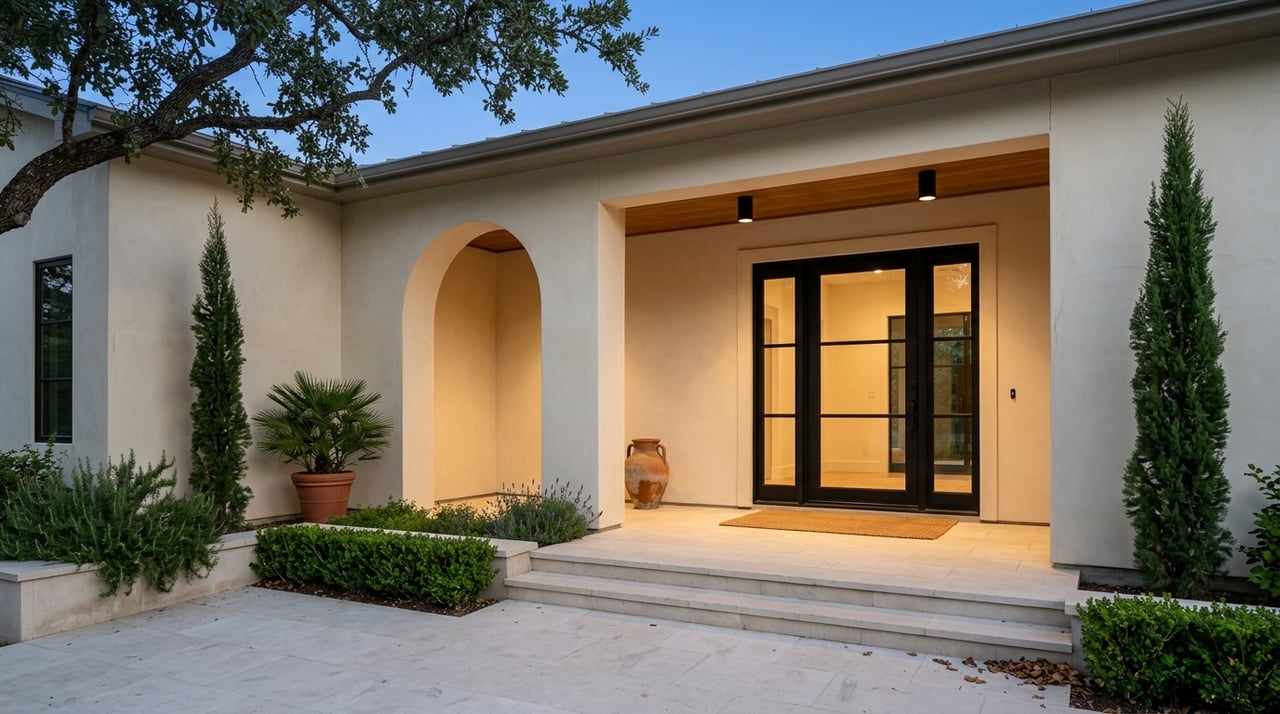
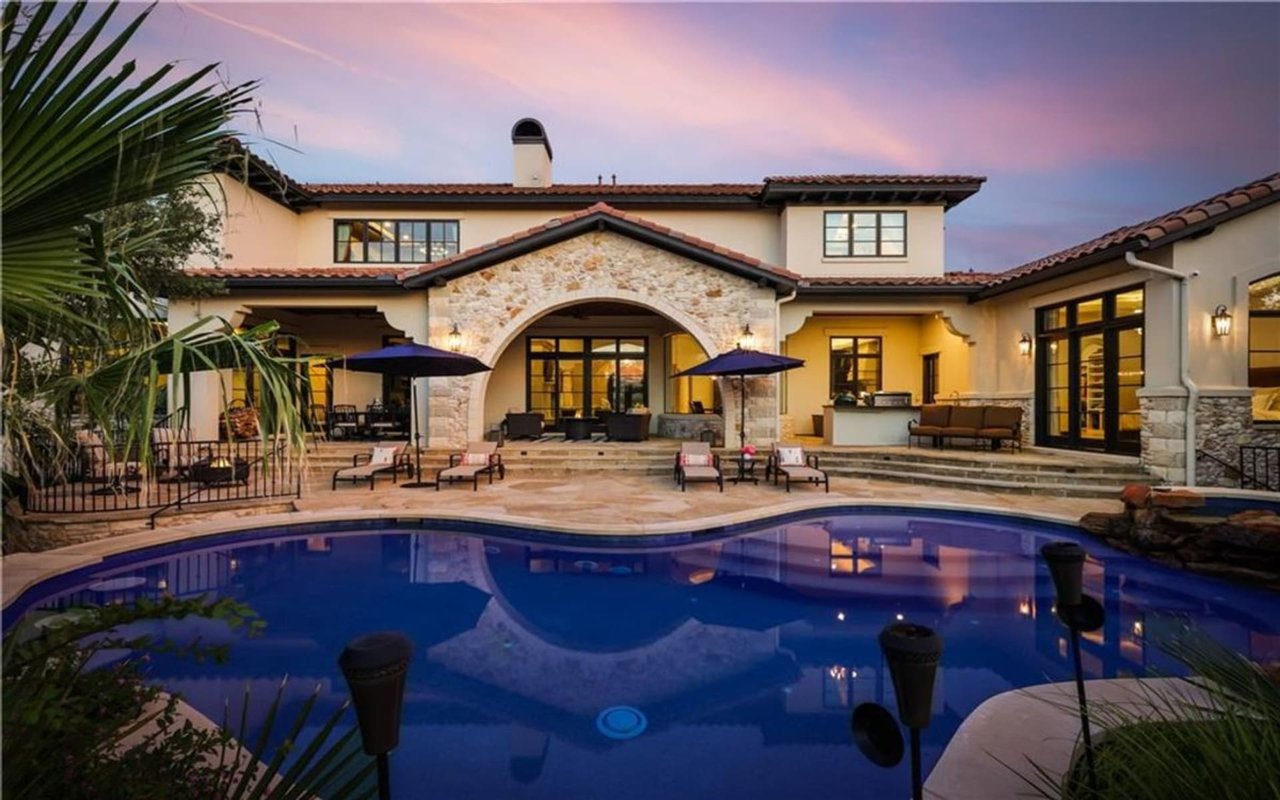
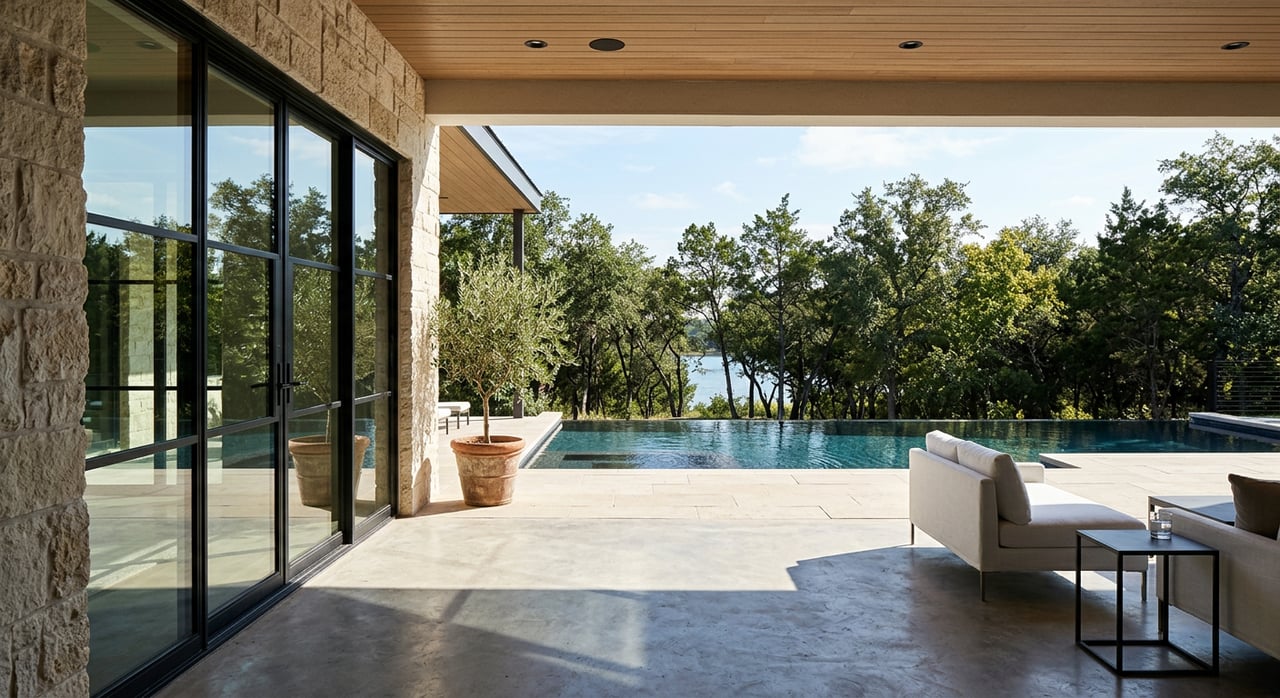
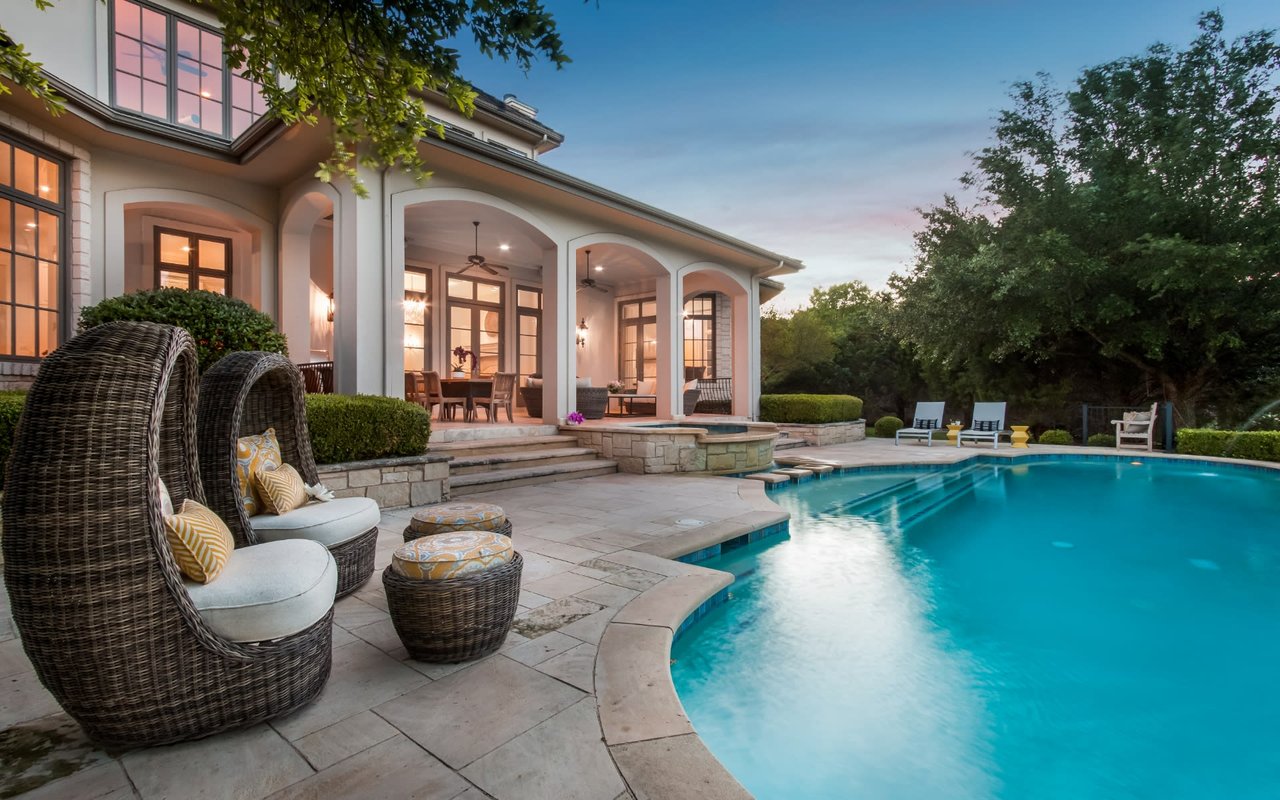
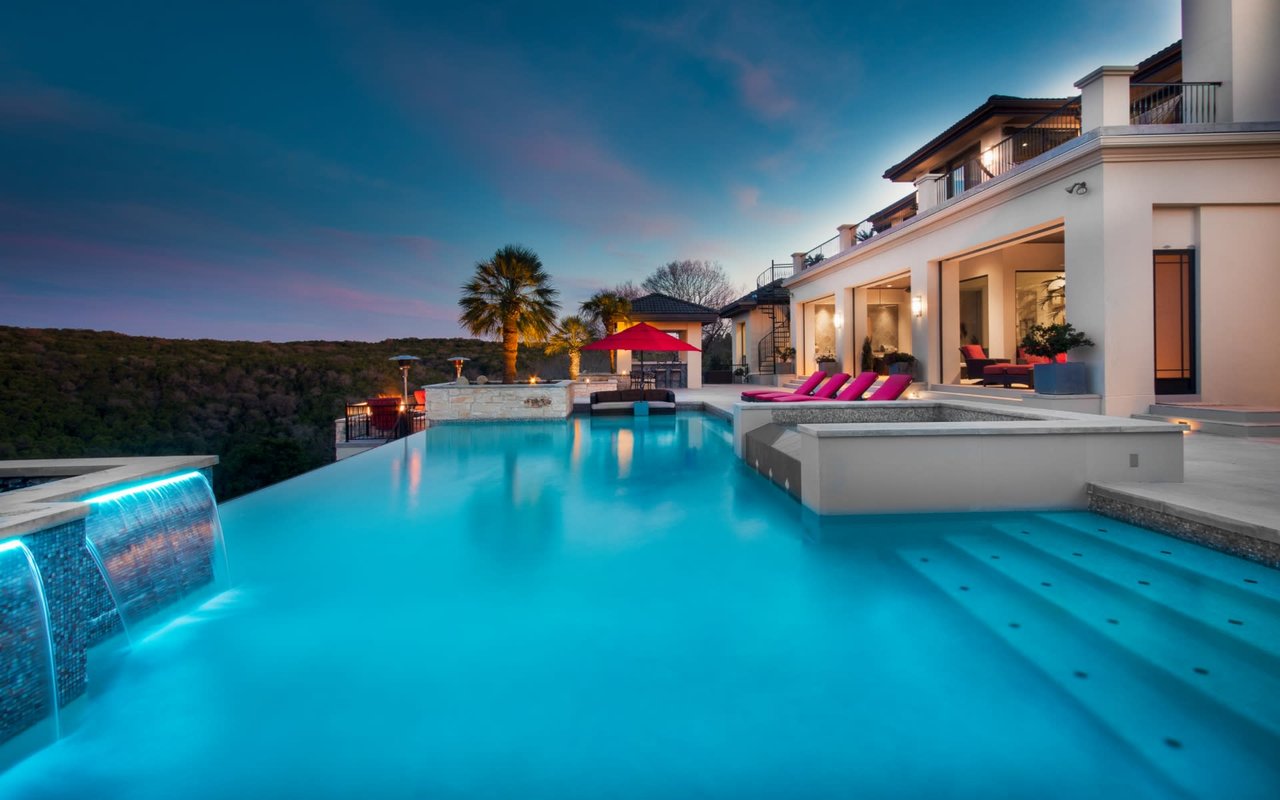
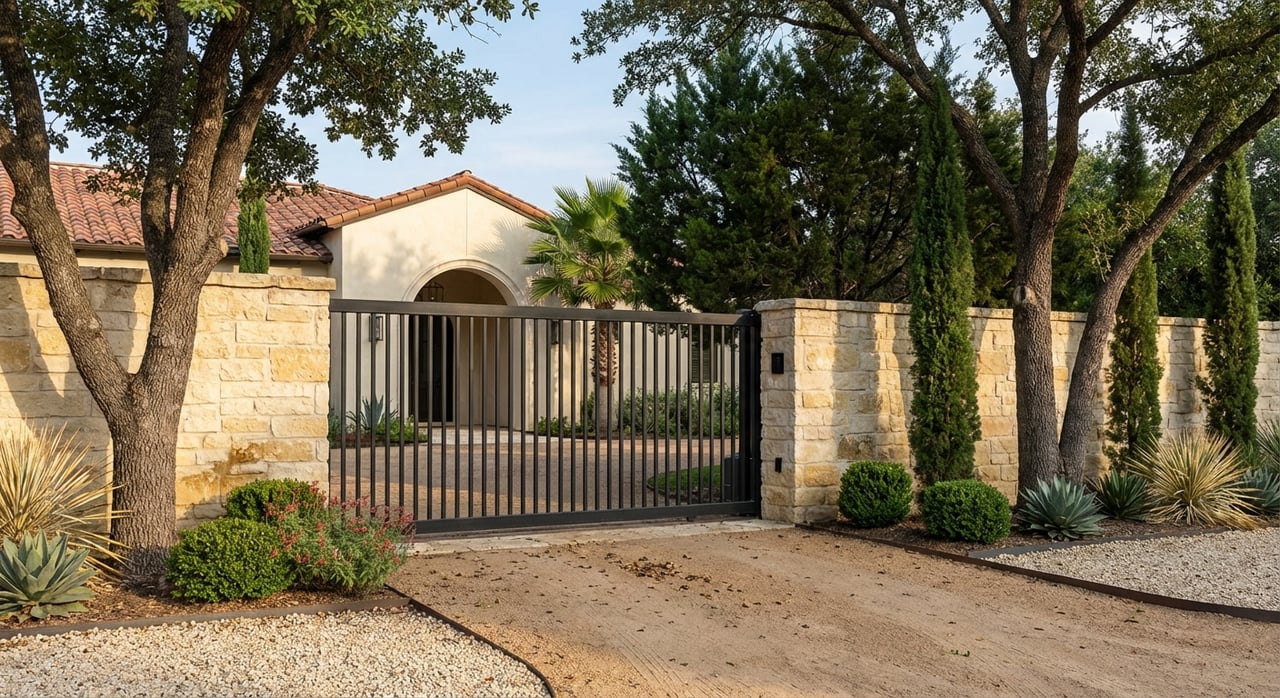
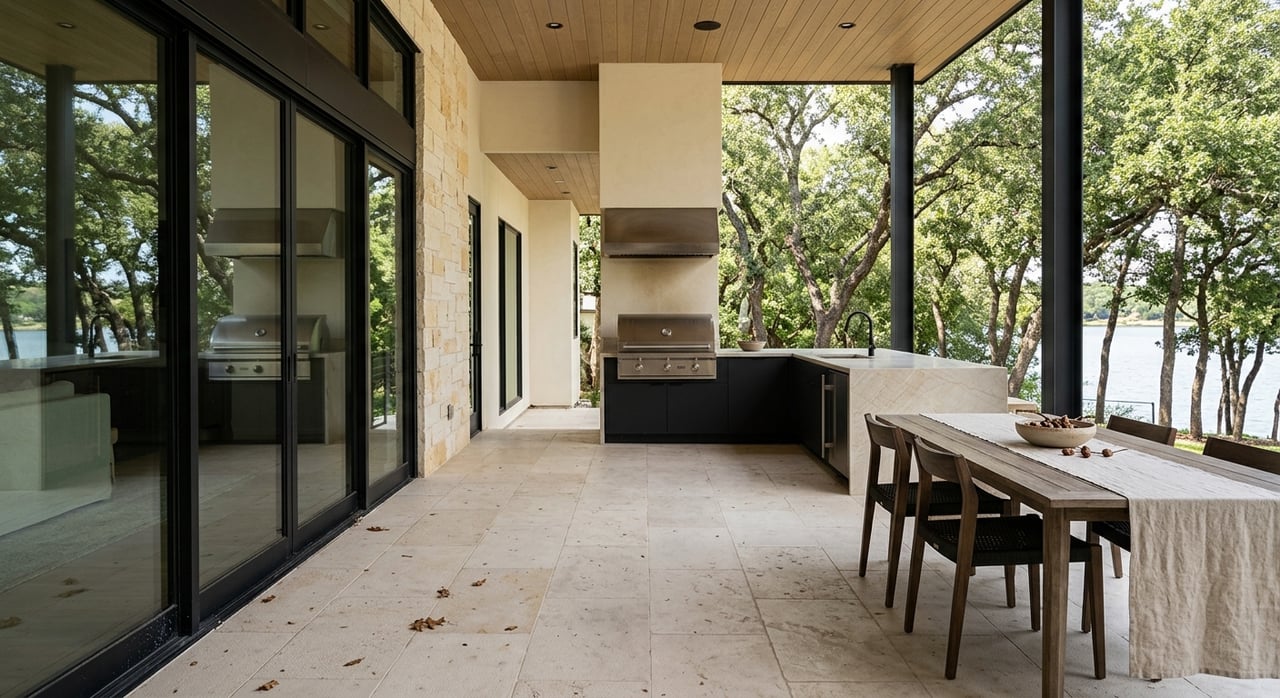
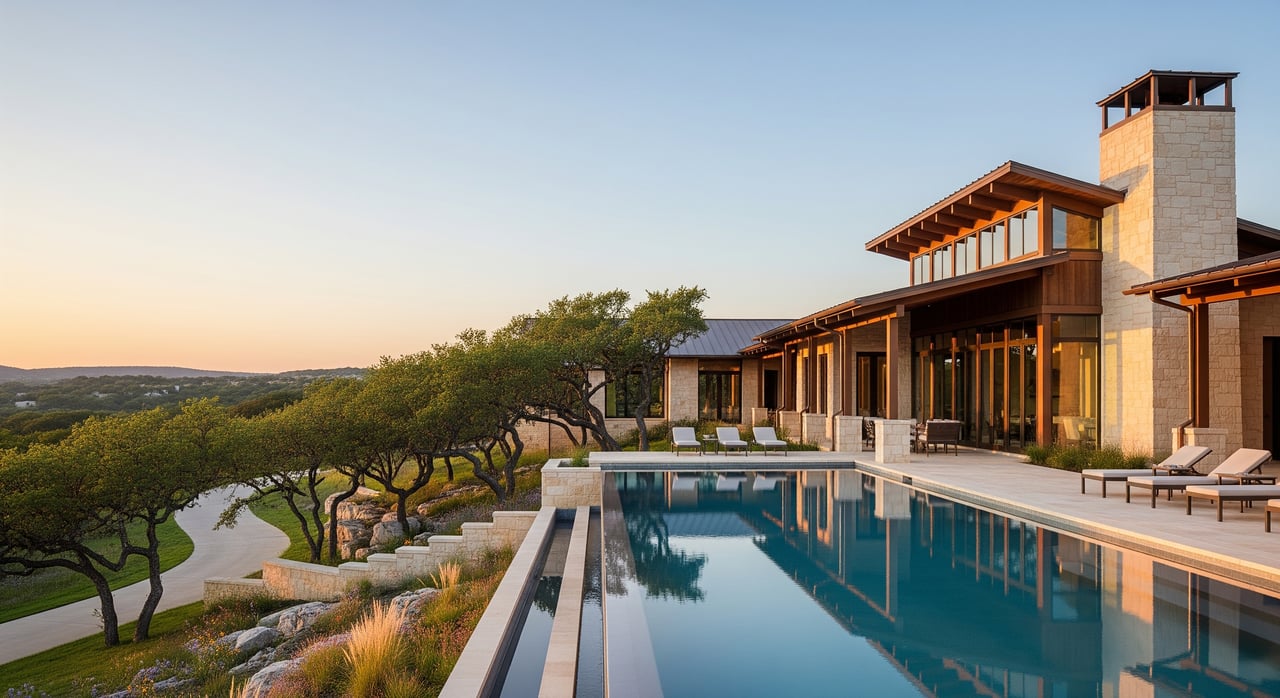
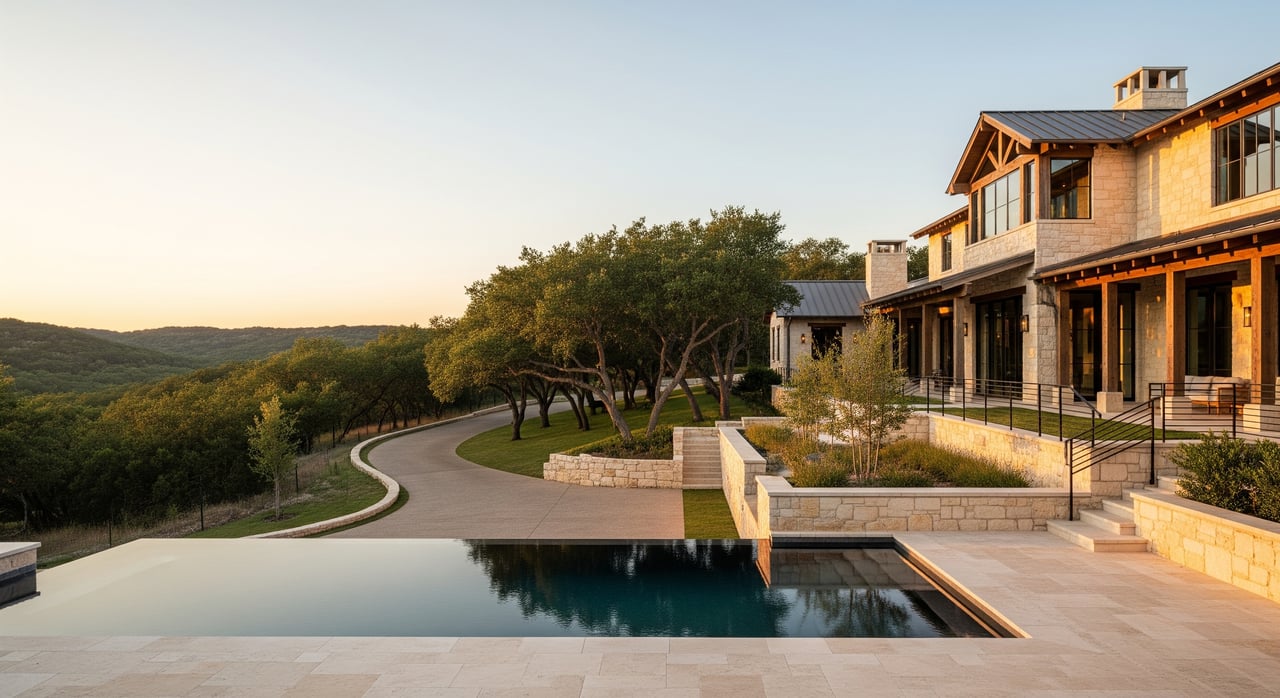
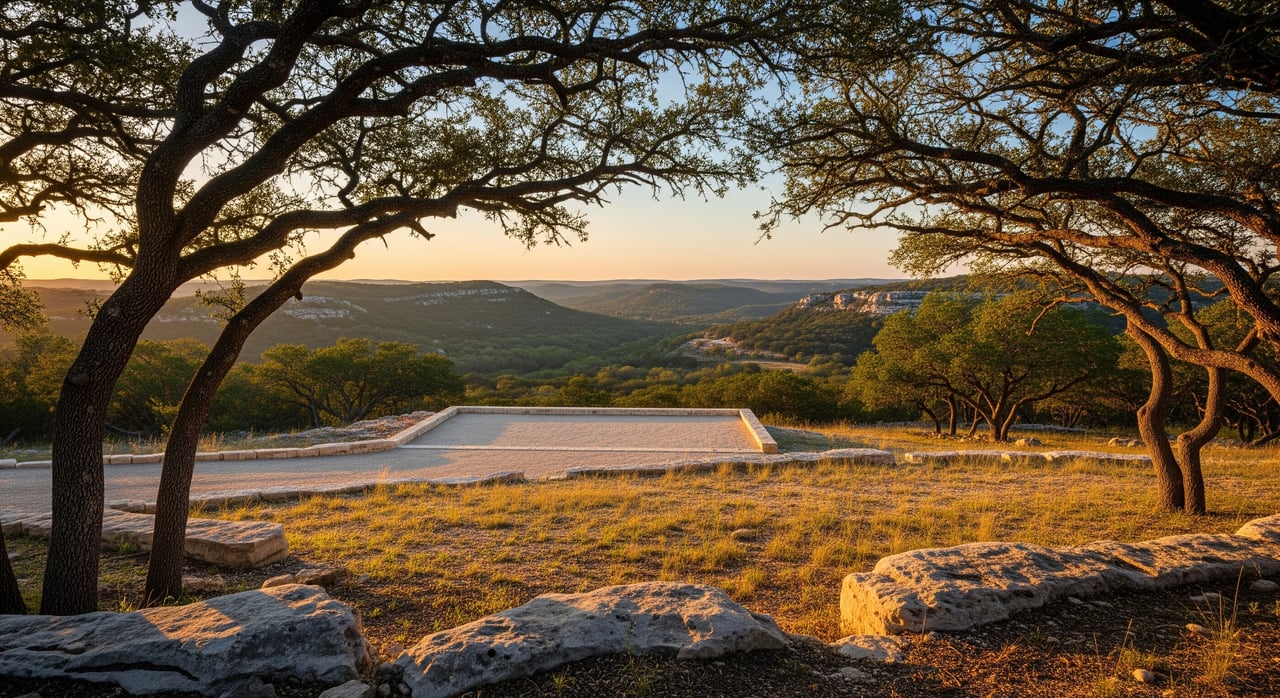
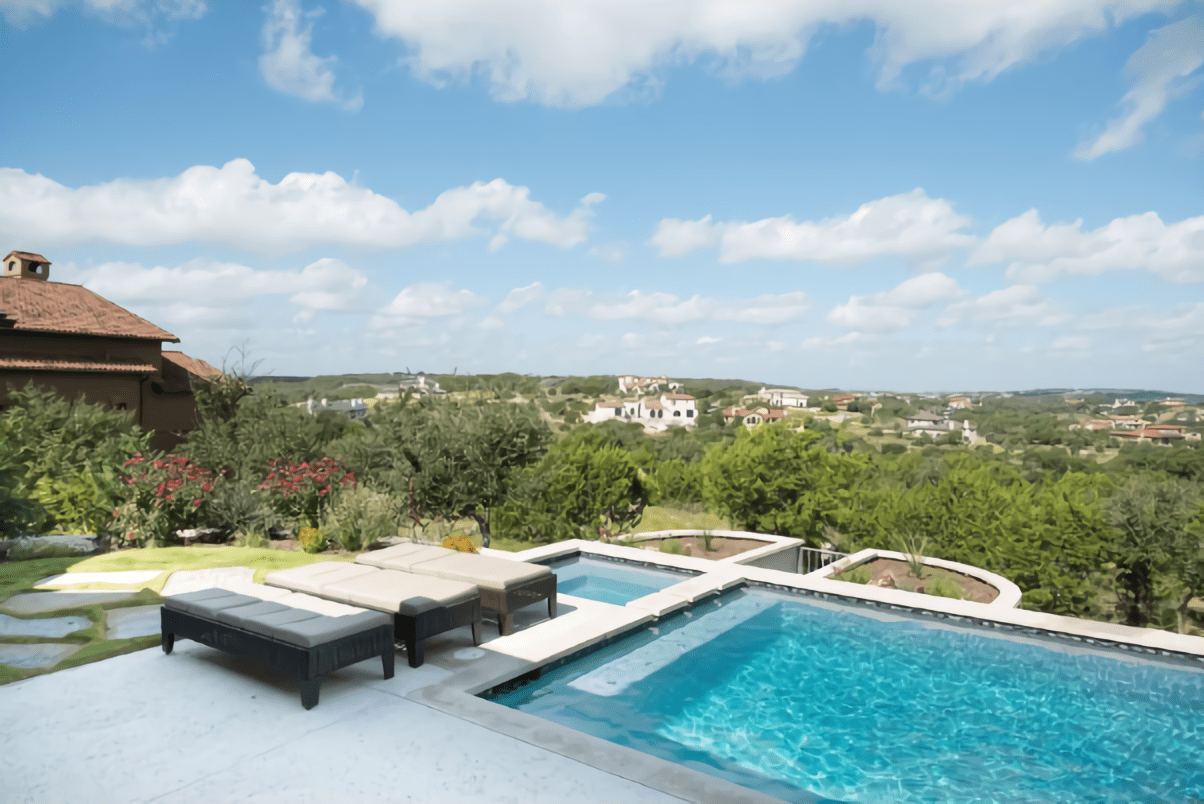
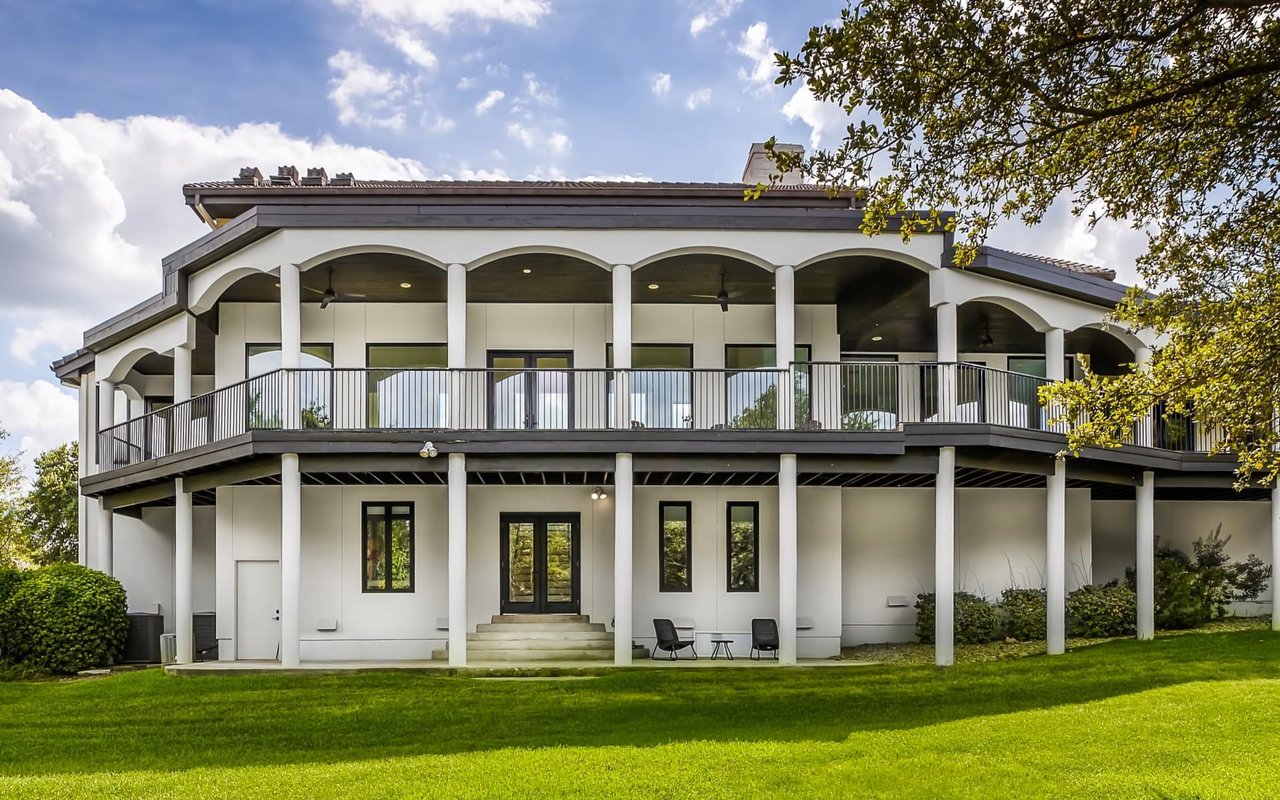
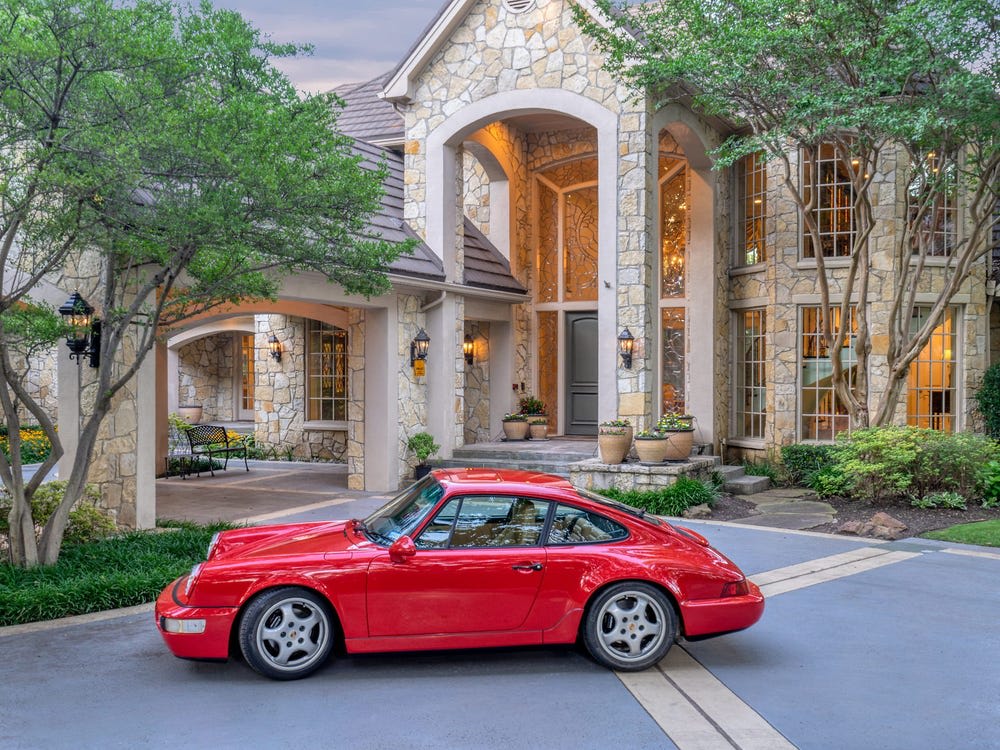
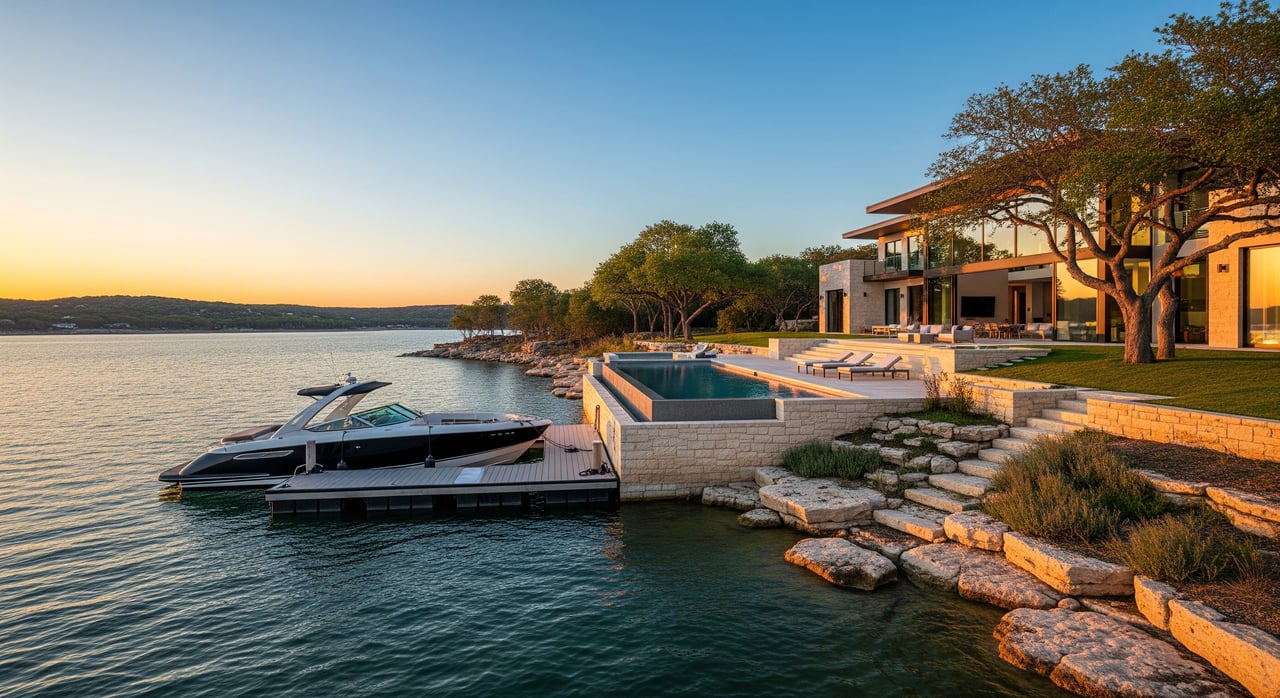
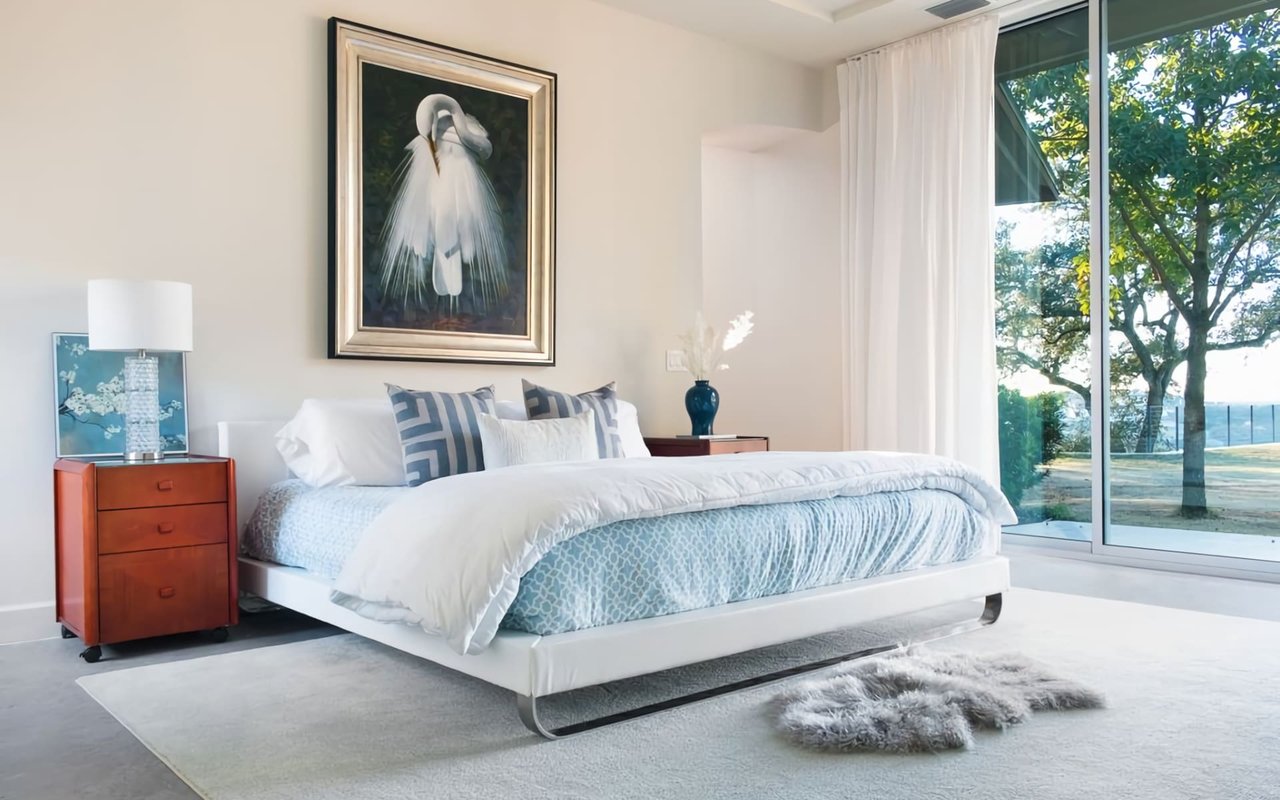
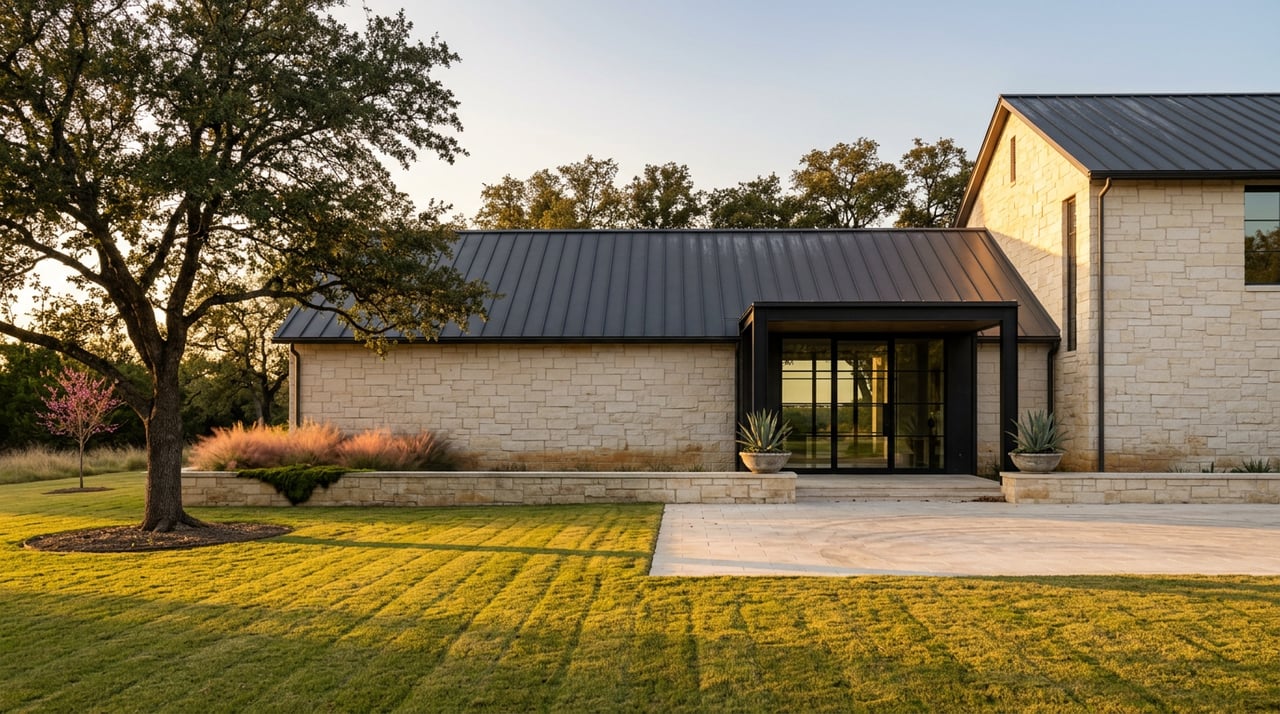
Spanish Oaks is a private, gated golf community in Bee Cave, built around a Bobby Weed-designed course on rolling Hill Country terrain. The homes are custom, the lots run from roughly half an acre to ten or more, and prices span from the low seven figures to eight figures for premium golf-front estates. None of that is in dispute. What trips people up is assuming that buying one of those homes comes with a locker at the club.
Two Contracts, One Closing Table
Every source close to this market agrees on one point: purchasing a home in Spanish Oaks does not automatically grant golf club membership. The club operates on an invitation basis. You apply, you're sponsored by an existing member, and a membership committee decides whether you're in. That process runs on its own timeline, separate from your thirty or forty five day closing schedule.
This matters most for out-of-state buyers and relocating executives who are used to markets where a country club home comes bundled with the club card. In Spanish Oaks, the home purchase and the club application are parallel tracks that happen to intersect at the same address. If golf access is the reason you're buying here, that application needs to start during your option period, not after you've already waived contingencies and signed at closing.
Why the Initiation Number Keeps Moving
Part of the reason the published figures vary so much is that Spanish Oaks runs an equity membership model rather than a straight fee. Members are effectively buying a stake in the club, not renting access to it. Framed that way, the wide range of quoted initiation costs starts to make more sense: it depends on which membership category you're applying for (Full Golf, Junior Golf, National Golf, or a lower-cost social tier), how many openings exist in that category the month you apply, and whether the person quoting you a number checked with the membership office last quarter or is repeating something they heard two years ago.
The club does not publish a public price sheet. That's normal for equity clubs, but it means every number you find online, including the ones in this article, should be treated as a starting point for a phone call, not a final figure.
Here is roughly how the cost stack breaks down, based on figures reported across multiple sources this year:
| Cost | What it covers | Paid to |
|---|---|---|
| Home price | Land, structure, lot | Seller, at closing |
| HOA dues | Common areas, security, road maintenance, roughly a few thousand dollars annually | Spanish Oaks HOA |
| Club initiation | Equity stake in club ownership, reported anywhere from $75,000 to $200,000+ depending on category | Spanish Oaks Golf Club |
| Club monthly dues | Course, clubhouse, facility upkeep | Spanish Oaks Golf Club |
| Food and beverage minimum | Clubhouse dining spend requirement, separate from dues | Spanish Oaks Golf Club |
Notice that three of the five line items in that table go to an entity that has nothing to do with your mortgage or your title company. That's the mechanism a buyer needs to internalize before writing an offer.
The Club Is More Exclusive Than the Neighborhood
Here's a detail that gets lost in most guides to this community: the golf membership cap is smaller than the number of homes the neighborhood was ever planned to hold. Spanish Oaks' original master plan allowed for up to 485 homes across roughly 900 acres of residential land. Golf membership, by contrast, is capped at a number most sources put at 300, though at least one account puts the ceiling closer to 450 depending on how membership categories are counted.
Either way, the arithmetic is the same. At full build-out, not every household in Spanish Oaks can hold a golf membership even if every one of them wanted one. That's not a flaw in the community, it's a design choice that keeps tee times open and the clubhouse from feeling crowded. But it does mean membership availability is not guaranteed just because a house exists behind the gate, and a buyer who assumes otherwise is making a costly assumption.
What Happens to the Membership When the House Sells
For sellers and for anyone buying a resale, there's a second wrinkle worth understanding. Membership transfer with a property sale is possible but not automatic. The club typically retains a right of first refusal, meaning the existing member's stake doesn't simply pass to the new owner by virtue of the deed changing hands. Some resale listings include the membership in the sale price. Others require the buyer to purchase it separately, on top of the home.
This is exactly the kind of detail that belongs in writing before you remove contingencies, not something to sort out after the fact. Initiation payments for private clubs in this part of Austin are commonly due within thirty to sixty days of the home closing, which leaves a narrow window to sort out financing for a six-figure club stake if you assumed it was baked into your mortgage.
The One Road In Is About to Get Busier
There's a second story unfolding around Spanish Oaks right now that has nothing to do with club dues and everything to do with daily life behind the gate. The Village at Spanish Oaks, an 80-acre mixed-use development planned as the final phase of the original 1,200-acre master plan, has been moving through Bee Cave city approvals throughout 2026. The plan calls for retail, office space, a hotel, senior living, and multifamily housing, with the residential unit count revised upward from 250 to 310 units in an amendment the Bee Cave City Council approved in February.
Residents have paid close attention to what that growth means for traffic, because Spanish Oaks has a single entrance and exit onto Highway 71. At the February council meeting, Spanish Oaks resident and HOA Director Josh Budwin put it plainly: "Turning left onto Hwy. 71 has long been a concern." The city's response includes a roundabout and dedicated left turn lanes as part of the Village plan, with the developer indicating a protected left turn could be operating as early as the end of this year. In June, the council approved architectural pre-designs for a five-story multifamily building on the development's northeast parcel, which is the clearest sign yet that the long-discussed final phase is moving from paper to permits.
None of this changes what you're buying inside the gates of Spanish Oaks. It does change what the drive to and from those gates will look like over the next few years, and it's worth walking the Highway 71 frontage during a showing rather than only touring the interior of the community.
What This Means Before You Write an Offer
If you're seriously considering a home in Spanish Oaks, the sequence that protects you looks like this: start the club membership conversation with the membership office during your option period, get the current initiation figure and category availability in writing rather than relying on a number you read somewhere, and ask the seller directly whether their membership is included in the sale or needs to be purchased separately. Layer in the HOA dues and any food and beverage minimums so you know your full monthly carrying cost, not just the mortgage payment.
None of this is a reason to avoid Spanish Oaks. It's a reason to treat the club and the house as what they actually are: two related but separate decisions that happen to share an address.
A Few Direct Answers
Does buying a home in Spanish Oaks guarantee a golf membership? No. Membership is by invitation, requires sponsorship and committee approval, and runs on a separate timeline from your closing.
If I sell my Spanish Oaks home, does my membership automatically transfer to the buyer? Not automatically. The club generally holds a right of first refusal, and whether membership conveys with the sale is something that should be spelled out in the purchase agreement.
Will the Village at Spanish Oaks development affect home values inside the gates? It's too early to say with certainty. What's confirmed is that the project is moving forward with city approvals in 2026, that traffic mitigation at the Highway 71 entrance is part of the plan, and that residents have been active participants in shaping those details.
Spanish Oaks rewards buyers who do their homework on the parts that never make it onto a listing sheet. If you want a straight answer on where a specific home stands, what its membership status actually is, and how the Village development might touch your daily commute, Dara Allen works this corridor closely enough to get you real numbers instead of estimates. Request a Private Home Valuation to start the conversation with facts instead of assumptions.