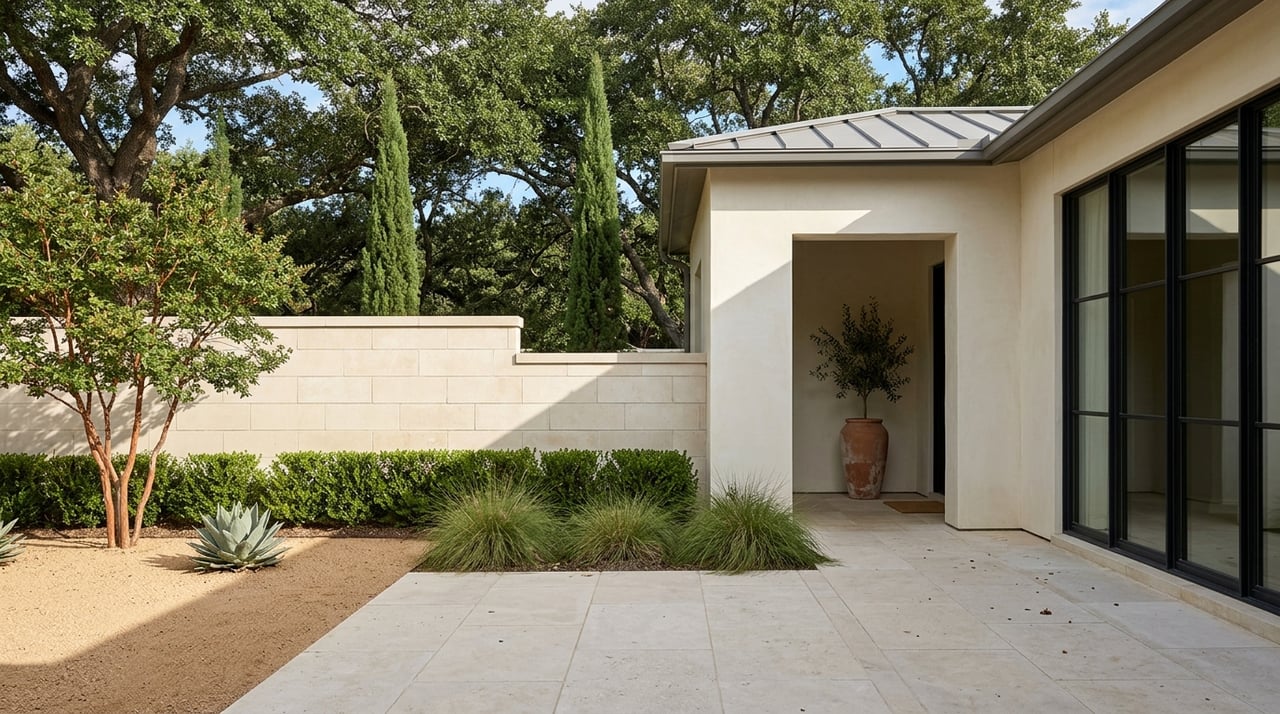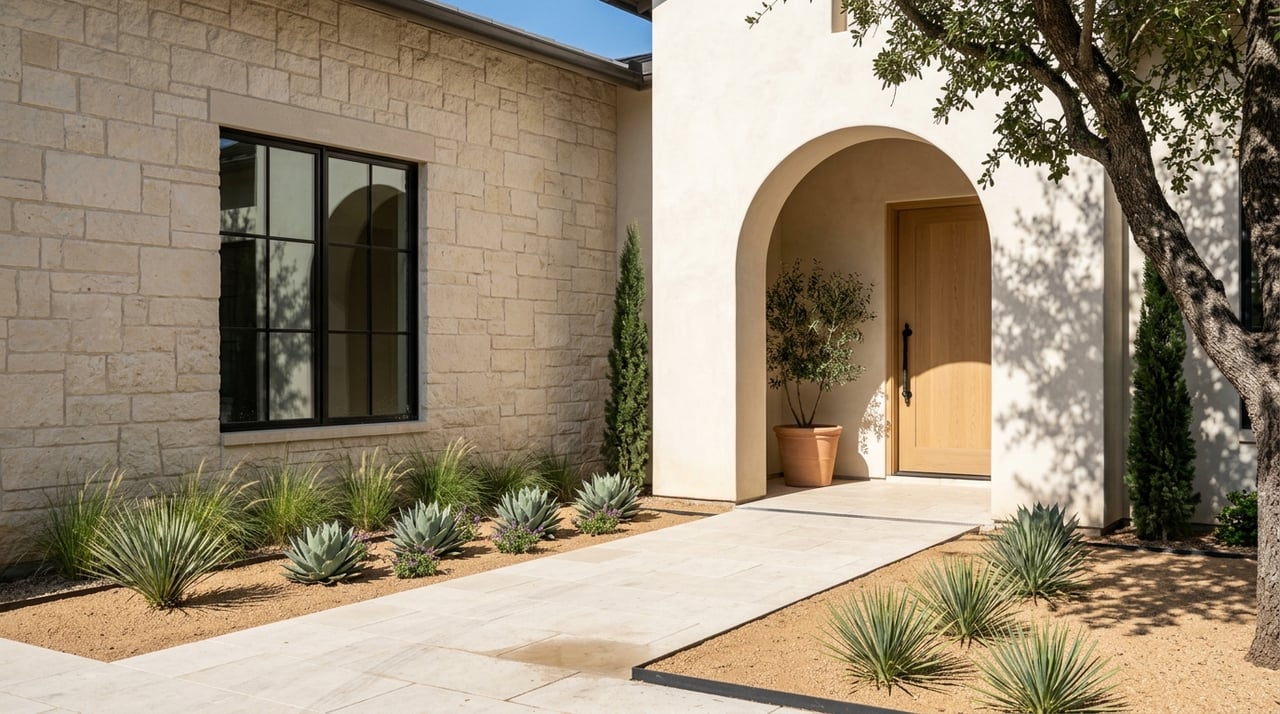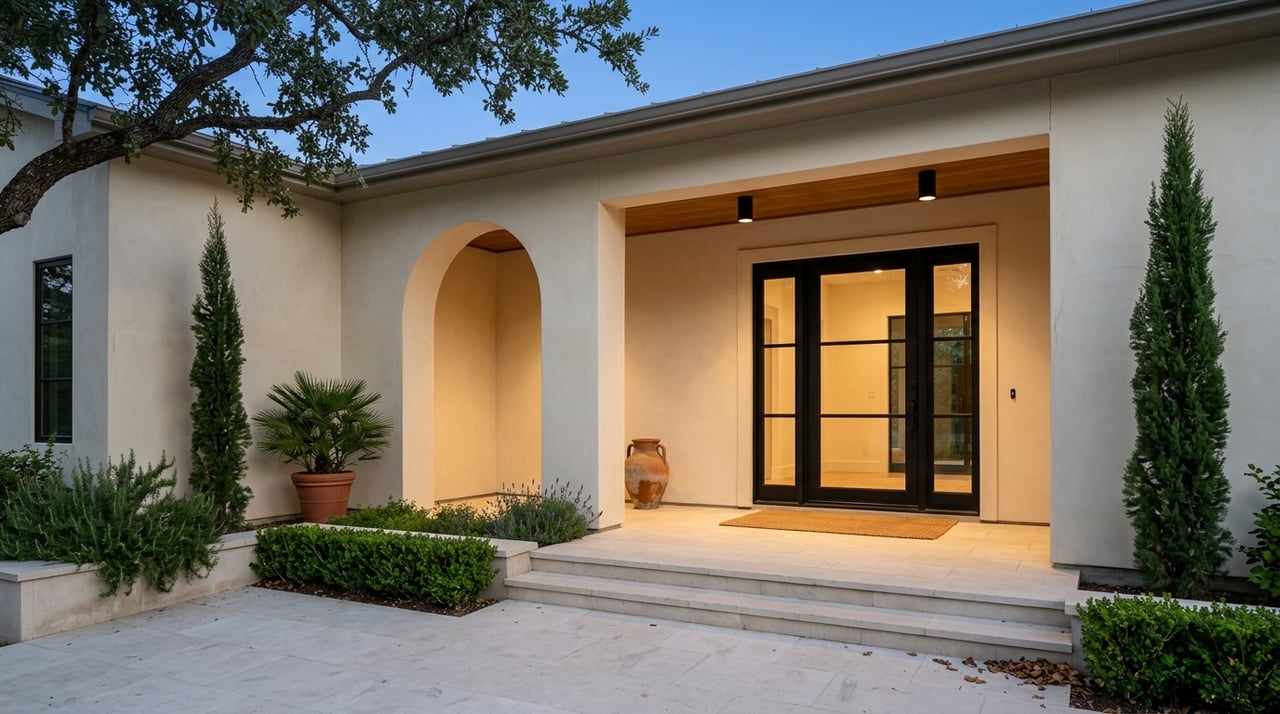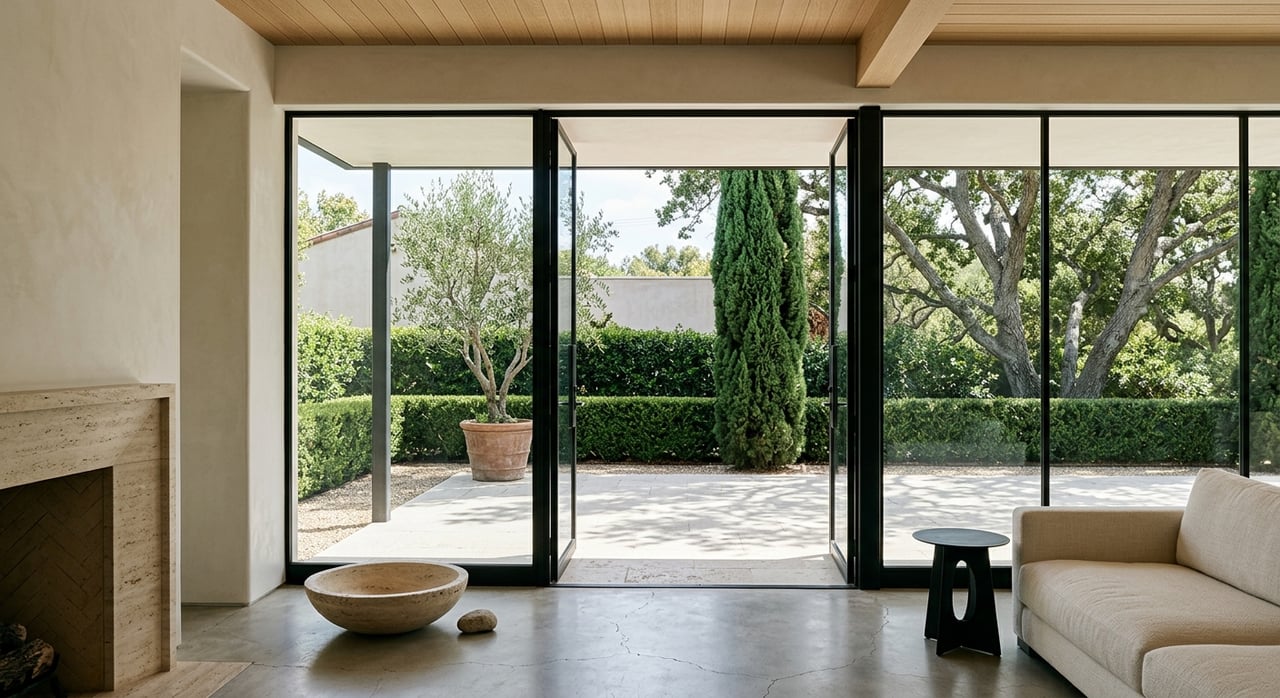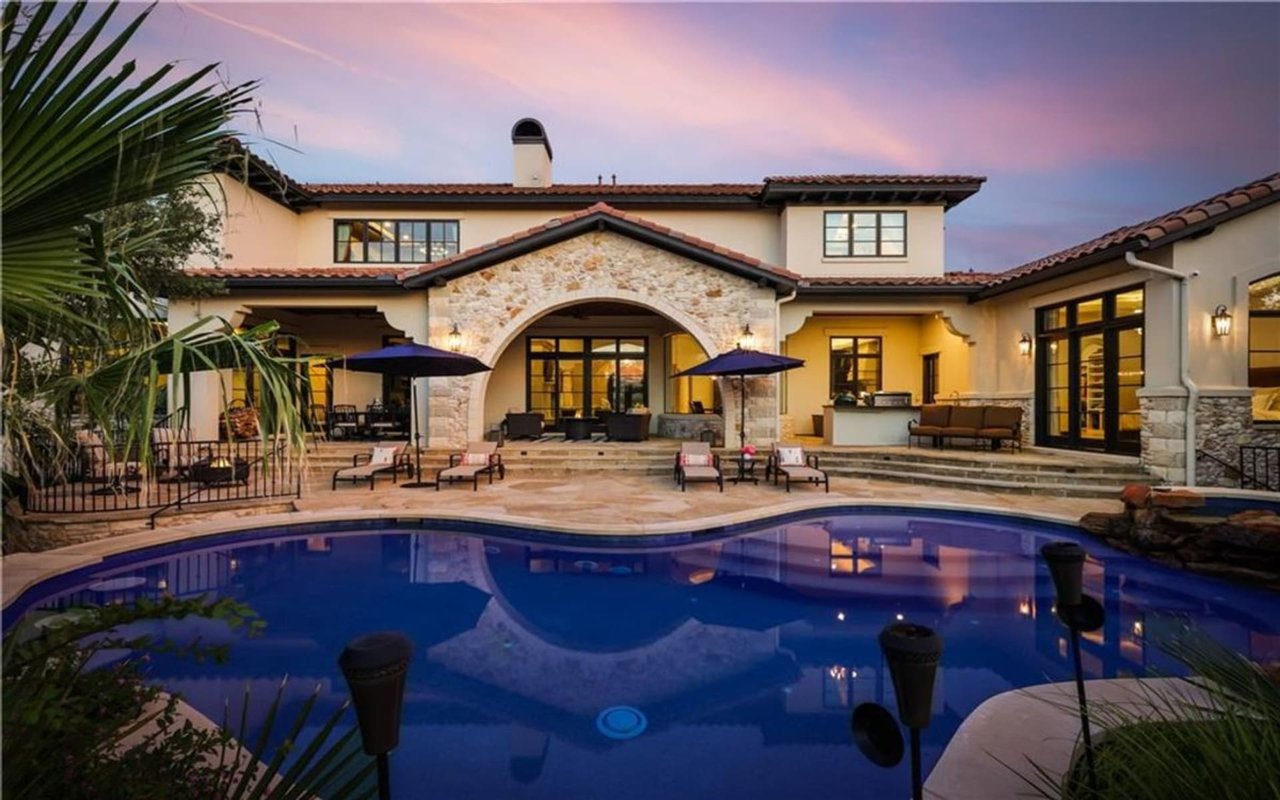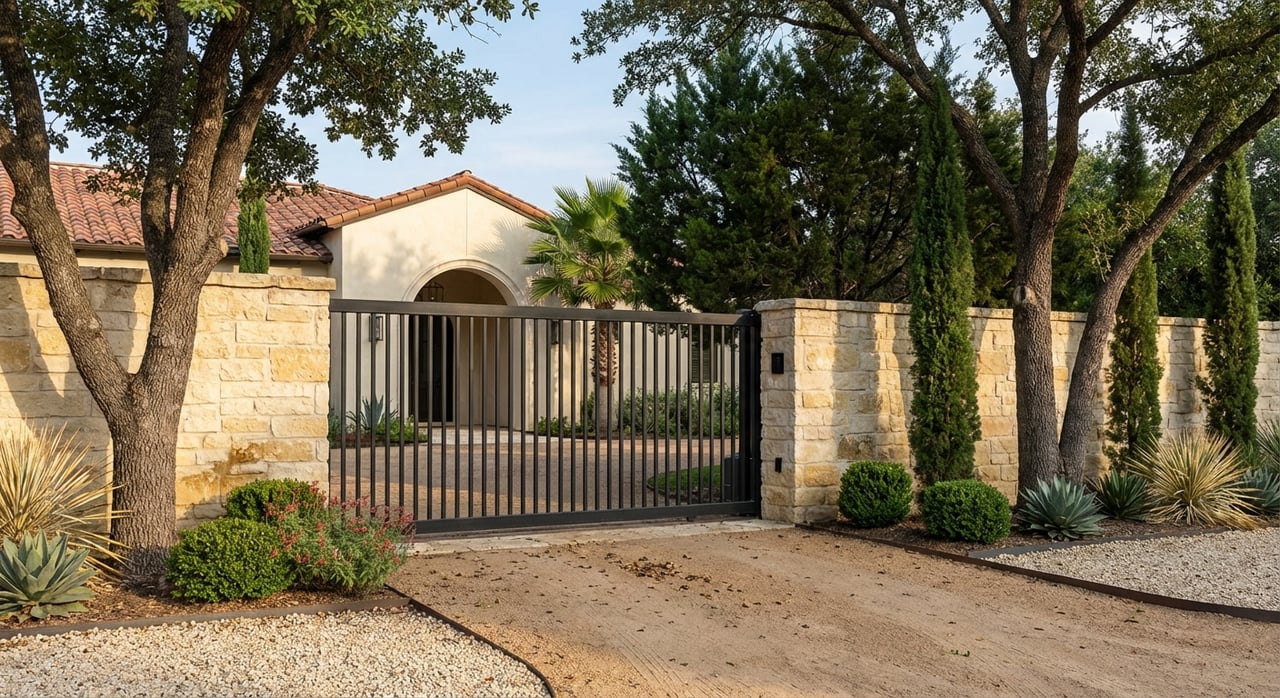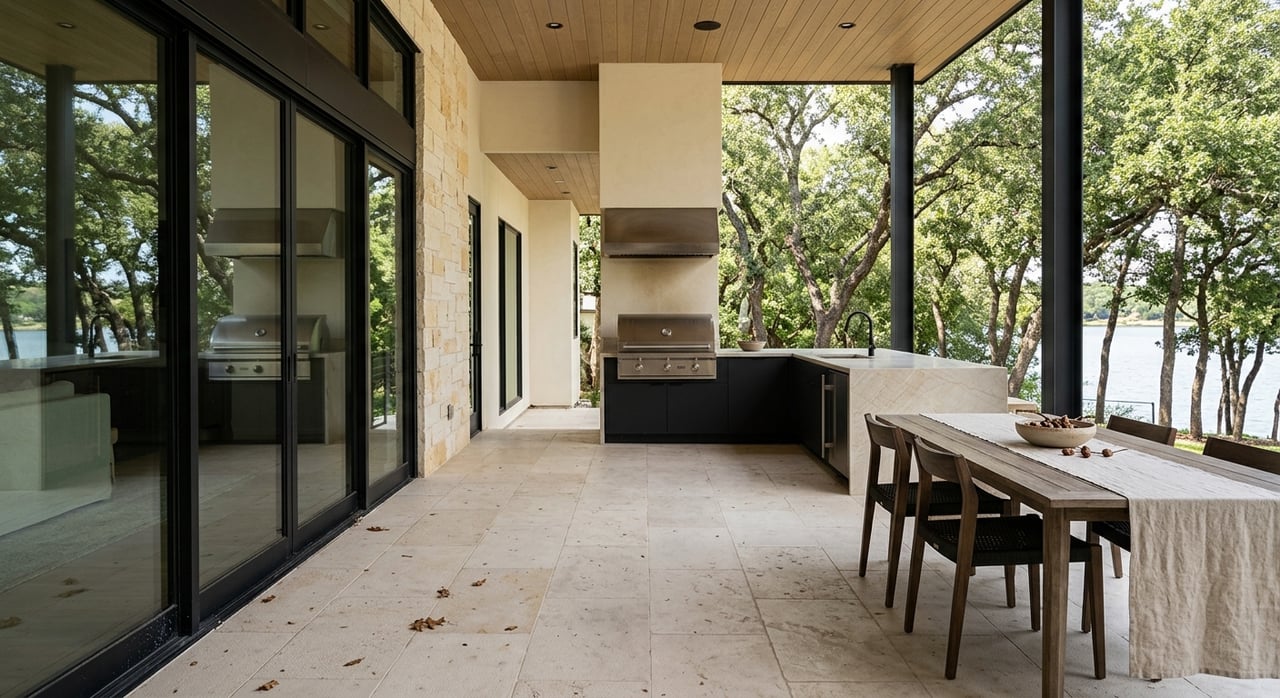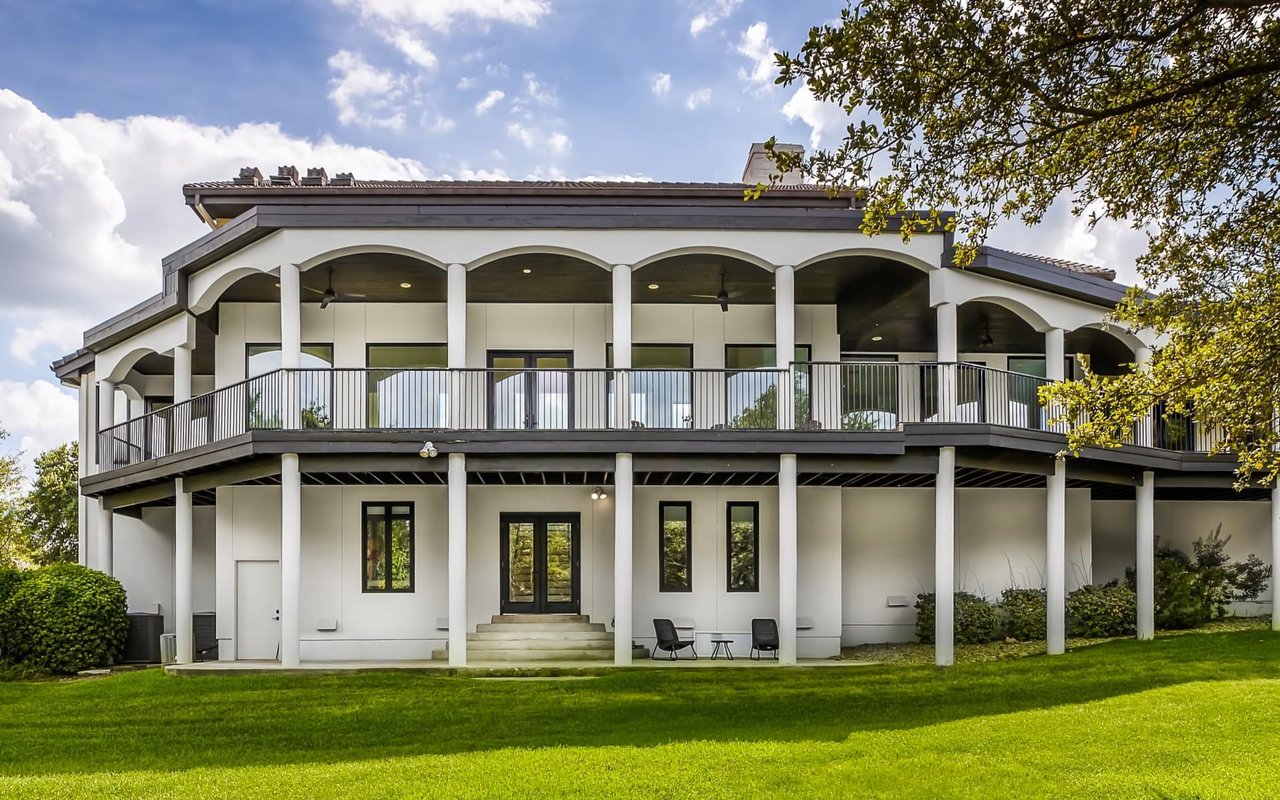
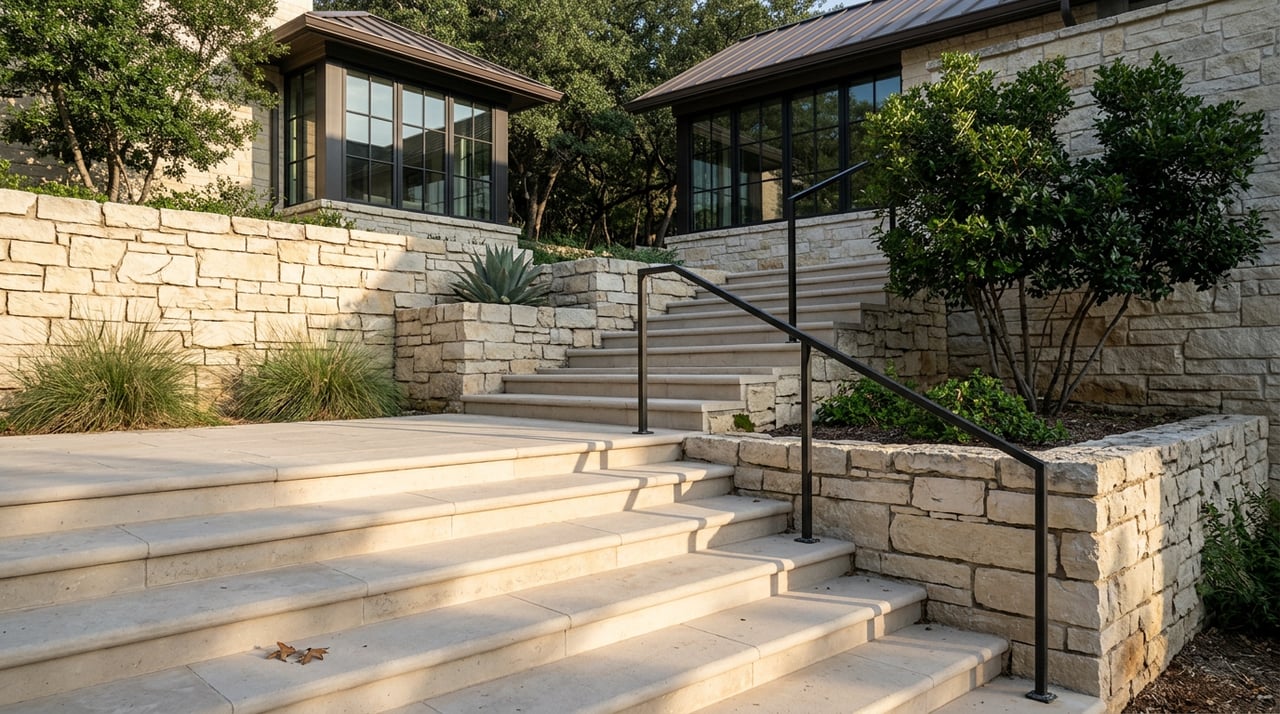
A buyer falls for a lot in West Lake Hills, writes an offer with a standard five-day option period, and spends the first two days lining up the same general inspector who covered their last three closings. By day four, the inspector's report flags a hairline crack near the garage, a septic tank nobody has serviced in years, and a stand of live oaks close enough to the foundation that any future pool plan will need a permit. None of those findings are unusual for this part of Austin. What is unusual is that none of them can actually be resolved with the days that are left.
That is the quiet risk in West Lake Hills real estate. The option period itself is identical to any other Texas contract. What the property demands from that window is not.
The Clock Everyone Assumes Is Enough
Texas gives buyers one real tool for backing out of a signed contract without forfeiting earnest money: the termination option period under Paragraph 23 of the TREC One to Four Family Residential Contract. It is negotiated, not required, and it typically runs three to ten calendar days, with five to seven being the most common range for a resale. The buyer pays a nonrefundable option fee, usually somewhere between $100 and $500, directly to the seller for the right to walk away for any reason, no explanation required, as long as written notice arrives by 5 p.m. on the final day.
The Texas Real Estate Research Center at Texas A&M describes the purpose plainly: the period exists to give a buyer time for more than a walk-through, including specialty inspections such as foundation, hydrostatic, or environmental testing, before the buyer is fully committed to the price and the property. That framing matters here, because a five-day window built around one general inspector was never designed around a lot where three separate specialists may need to weigh in before anyone can say the house is sound.
Three Reports a Walk-Through Won't Give You
A general home inspector checks visible conditions. On most West Lake Hills lots, three additional questions sit outside that inspector's scope entirely, and each one requires its own appointment, its own report, and its own turnaround time.
| What needs checking | Who actually checks it | Why it matters here |
|---|---|---|
| Septic system condition | A licensed septic inspector, ideally with a camera run of the lateral lines | Failed or undersized systems run $15,000 to $40,000 to replace, and a visual walk-through won't catch a failing lateral line |
| Protected trees near any planned addition | A certified arborist | The city's tree ordinance covers trees at roughly 8-inch trunk diameter and larger, and enforcement is strict enough to stall a pool or addition that wasn't planned around it |
| Foundation and slope stability | A structural engineer or geotechnical inspector | Cut-and-fill construction on Edwards Plateau limestone can leave one side of a foundation bearing on rock and the other on engineered fill, a setup that produces differential settlement a standard inspection often misses |
Any one of these can be booked inside a five-day window if a buyer starts the moment the contract is signed. All three, competing for calendar space with a general inspector's own schedule, are a different problem. The fix is not a longer negotiation after the fact. It is knowing, before the offer is written, that this particular lot is going to need all three calls made on day one.
Why the City Chose to Stay on Septic
The septic question in West Lake Hills is not an infrastructure gap. It is policy. A city planning document filed with Austin's own records office states it directly: the majority of West Lake Hills residents have septic and will continue to do so, "given the desired character of the community and economics of extending service in the low density, rural community." That is a deliberate choice to preserve large-lot, low-density living rather than a delay in catching up to city sewer.
The city's own code confirms the mechanism: residential one-acre lots may run on-site private sewage disposal systems, and any developer extending wastewater service still needs written approval from Austin Water for the required capacity. Water service runs through a separate approval from Water Control and Improvement District No. 10. Two homes a few blocks apart can answer to entirely different utility providers and entirely different permit paths, and neither the septic tank nor the WCID connection shows up on a listing photo.
For a buyer, the practical takeaway is that a septic inspection here is not a formality. It is the single line item most likely to change the negotiated price if it comes back showing an aging or undersized system, and it is also the one most commonly skipped because it isn't part of a standard inspection package.
The Ground Itself Needs a Second Signature
West Lake Hills sits on Edwards Plateau geology, where thin soil and caliche sit over shallow limestone bedrock rather than the deep expansive clay that defines the eastern side of the metro. That distinction sounds academic until it hits a specific foundation. Hillside lots here are frequently built using cut-and-fill grading, meaning part of a home's footprint bears on undisturbed rock while another part rests on compacted fill brought in to level the site. If that fill wasn't compacted correctly, or if drainage patterns shift after construction, the two halves of the foundation settle at different rates.
A general home inspector will note visible cracking or an uneven floor. What that inspector typically will not do is confirm whether the movement is active, whether it traces back to the original cut-and-fill work, or whether it is likely to continue. That distinction is exactly what a structural engineer's evaluation is built to answer, and it is exactly the kind of finding that changes a negotiation rather than derailing it, provided the report comes back before the option period closes rather than after.
The Tree Ordinance Nobody Reads Until They Want a Pool
West Lake Hills protects mature trees at roughly the 8-inch trunk diameter mark, and the city enforces that threshold closely. For a buyer with no renovation plans, this is background information. For a buyer who already knows they want a pool, a casita, or a meaningful addition, it is a fact that belongs in the option period, not after closing.
An arborist's survey during the option window answers a specific question: does the design the buyer has in mind actually fit the buildable envelope once protected canopy is factored in. Finding out after closing that a planned pool location sits under protected root zones is the kind of surprise that costs both money and a season of planning, and it is entirely avoidable with one appointment made early.
A Sewer Line Is Already Being Drawn
The septic-by-design story in West Lake Hills is not static. Austin Water and city officials have been in active discussion about extending capacity west of MoPac, and the city's comprehensive plan work included wastewater assessments that were slated for submission to Austin Water by March 2026, tied specifically to a proposed MoPac South Wastewater Interceptor line. That conversation is far from a done deal, and most of the city will remain on septic by policy regardless of how it resolves. But for a buyer weighing whether to negotiate a full septic replacement now versus a smaller repair with an eye toward a future sewer tap, knowing that this planning process exists changes the calculus. It is the kind of detail that only shows up by following the city's own council meetings, not by reading a listing.
What This Means When You're Writing the Offer
The lesson is not that West Lake Hills carries more risk than other Austin luxury enclaves. It carries a specific, known set of items that a generic five-day option period, built around one general inspector, was never designed to absorb. The buyers who move through this market cleanly are the ones who treat the septic inspector, the arborist, and the structural engineer as three calls to make on the day the contract is signed, not three findings to react to on day four. Sellers benefit from the same logic in reverse: a septic report, a tree survey, or a foundation engineer's letter already in hand before a home goes on the market removes the single biggest reason a strong offer falls apart mid-option.
How long should an option period be for a West Lake Hills purchase? There is no fixed answer, since the period is negotiated between buyer and seller rather than set by statute. What matters more than the number of days is whether a septic inspector, an arborist, and a structural engineer have all been contacted before the contract is even executed, so the clock is running on their schedules rather than on a buyer's search for who to call.
Does a general home inspector check the septic system? A standard inspection typically covers visible, accessible conditions. A meaningful septic evaluation, particularly one that includes a camera run of the lateral lines, is a separate specialty inspection and should be treated as its own line item during the option period.
Are all West Lake Hills homes on septic? No. Some properties connect to centralized wastewater service depending on their exact location and platting history, while the majority of the low-density residential area remains on private septic by city policy. The answer can differ from one parcel to the next, which is why confirming the system and the jurisdiction behind it is a due diligence step rather than an assumption.
Buying or selling a hillside property in West Lake Hills rewards the same discretion and preparation that defines every part of this market. If you're weighing a purchase here, or wondering what your own septic report, tree survey, or foundation history means for your home's position in this market, Dara Allen can walk through what a clean option period actually looks like on your specific lot. Request a Private Home Valuation to start that conversation.